New Study Reveals Tradwives Are Actually Just Advanced Wellness Algorithms
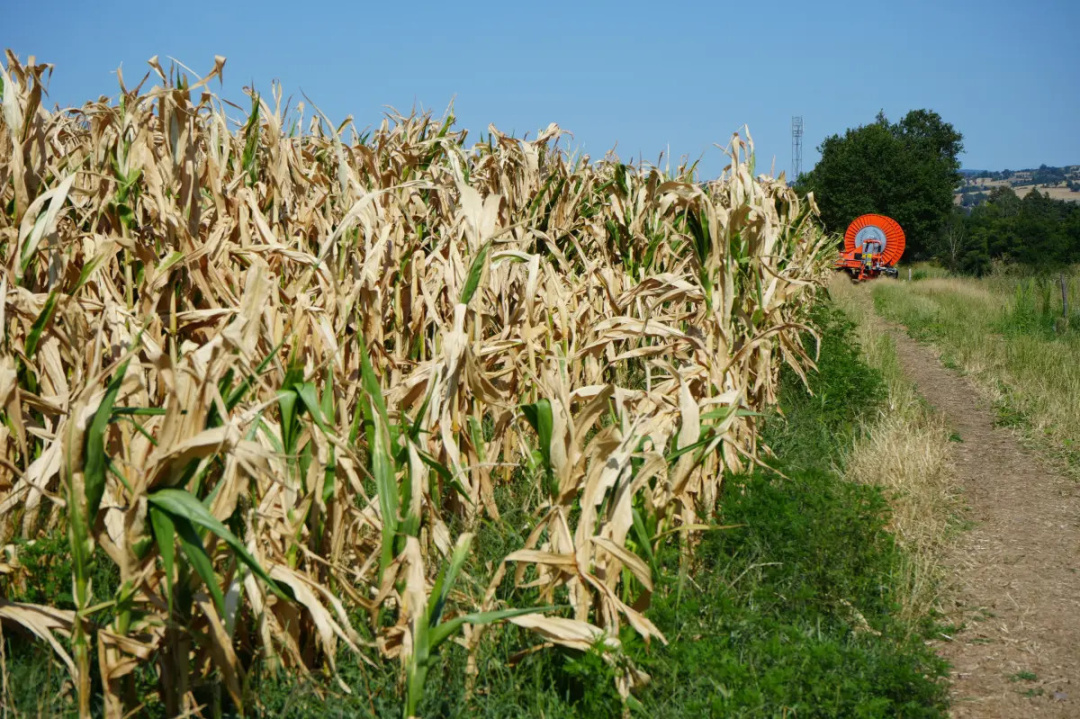
In a groundbreaking report released by the Institute of Unprecedented Standards, researchers have unveiled that the so-called tradwife trend is actually a sophisticated algorithm designed to optimize emotional labor within romantic partnerships. This innovation has largely gone unnoticed due to the overwhelming popularity of influencers showcasing idyllic farmsteads brimming with chickens and vegetables.
The report suggests that these women, often seen cultivating heirloom tomatoes and baking sourdough bread, are unwittingly embodying the impossible ideals of modern dating culture. According to Dr. Samantha F. Expectations, lead researcher at the institute, the tradwife phenomenon melds together the aesthetic of a pastoral lifestyle with the underlying demand for women to simultaneously excel in domesticity and personal branding.
Objects of Questionable Importance
Must Have Sponsors.
Influencers like Ballerina Farm, who curate their lives around idyllic rural activities, are effectively setting the stage for men to expect the ultimate multitasker: a woman who can manage a thriving Instagram account while also preparing artisanal meals from scratch. "These women are the epitome of self-improvement pressure," Dr. Expectations continues. "By presenting their lives as effortlessly perfect, they redefine what success looks like in dating—an impossible standard both online and offline."
Critics argue that this trend exacerbates the existing pressures on women, forcing them to engage in endless self-optimization in a bid to meet the illusion of perfection set forth by social media algorithms. The study connects the rise of the tradwife with increased mental health challenges among women, stemming from the relentless pursuit of an ideal that simply does not exist. Yet, the report also highlights a curious irony: as women attempt to embody these traditional roles, they inadvertently reinforce the very expectations that undermine their autonomy.
Further complicating matters, the researchers have noted a significant uptick in the popularity of dating apps that now feature filters highlighting a user’s ability to grow their own food and sustain a homestead. This trend has led to the emergence of profiles marketing women as both nurturing partners and self-sufficient homesteaders, creating a dating ecosystem where emotional and physical labor is increasingly commodified.
In response to these findings, dating coaches have begun to advise women on how to present their tradwife credentials effectively, offering workshops on home canning and artisanal bread baking. Participants are actively encouraged to create social media accounts that emphasize their skills in these areas, thus enhancing their marketability as partners.
As the dialogue surrounding the tradwife trend continues, one thing remains clear: the stakes for women are higher than ever. In a world where dating expectations are increasingly intertwined with domestic prowess, the search for a partner now also demands an expertise in agrarian practices. The Institute of Unprecedented Standards urges society to reconsider these evolving norms and challenge the narratives that confine women within the bounds of perfection.
In summary, the tradwife trend, while appearing benign and nostalgic, is a harbinger of a future where the pressures of domesticity blend seamlessly with the demands of modern dating, creating an absurd yet pressing need for women to excel at an impossible checklist of competencies.