New Research Indicates Women Should Prepare For Reproductive Risks as Temperatures Rise
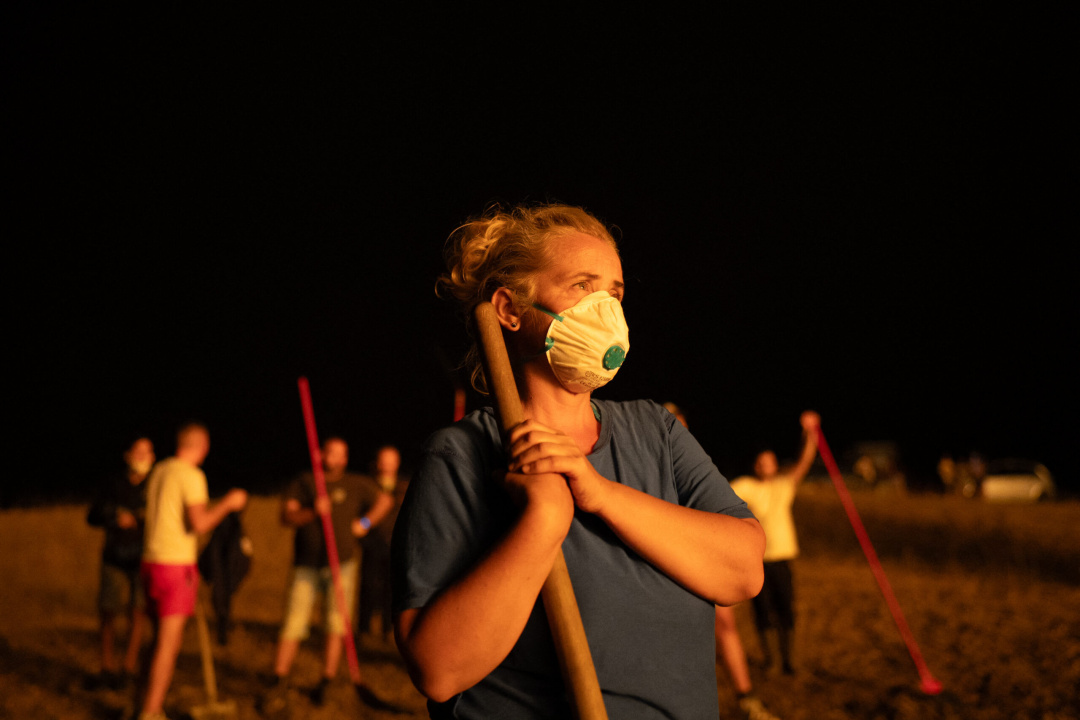
In a groundbreaking report, researchers have concluded that as temperatures rise, women must not only manage their own discomfort but also prepare for an increase in reproductive risks due to climate change. An urgent memo has been dispatched to all women, advising them that heat exposure is directly correlated to an alarming rise in preterm births. As if an idyllic experience like childbirth wasn't challenging enough, this new data suggests that each degree Celsius may contribute to a four percent increase in preterm births. This all comes as health professionals stress that keeping cool is the new frontier of reproductive health, while women juggle their roles as caretakers, professionals, and now, climate refugees.
The lack of adequate attention to gender-specific risks in climate action plans has become a glaring oversight. Reports show that governmental bodies often neglect to incorporate female perspectives in their climate strategies. For instance, plans to combat extreme heat in various cities are often as considerate of women's health as a toddler is in a candy store—completely oblivious to the impending sugar crash. New York's heat action plan includes a woman drinking water on the cover but shockingly mentions women only once. Meanwhile, Los Angeles County's plan seems to suffer from a severe case of amnesia regarding women's reproductive health.
Objects of Questionable Importance
Must Have Sponsors.
The United Nations, in a bid for gender equity, has recommended a series of measures including subsidizing cooling systems for low-income families. However, without actual implementation, it looks more like a wishlist from a child hoping Santa acknowledges their existence. Meanwhile, the rising energy costs are making air conditioning less accessible, pushing women to choose between heatstroke or financial ruin. It's almost as if some policymakers believe women can magically cool their homes through sheer force of will.
While some cities, like Ahmedabad in India, show promise by offering heat insurance and low-income home cooling initiatives, the world waits to see if the U.S. will follow suit or continue to treat women's health as an afterthought. This is not just about the physiological needs of women but ties into the broader narrative of how society expects women to bear the weight of domestic labor, caregiving, and now, the consequences of climate inaction while looking effortlessly chic.
In the midst of all this, the suggestion that women should simply ‘adapt’ to these conditions reflects a broader societal trend: the expectation that women solve problems that the system creates. With the summer heat becoming an ever-more pressing public health crisis, the call to action is clear: protect women’s health not as an afterthought but as a priority in climate strategies. Only time will tell if we will muster the will to keep women cool in more ways than one in this warming world.