Gen Z Dating Standards Dialed Up to 11: AI Imagery and Awkward Encounters
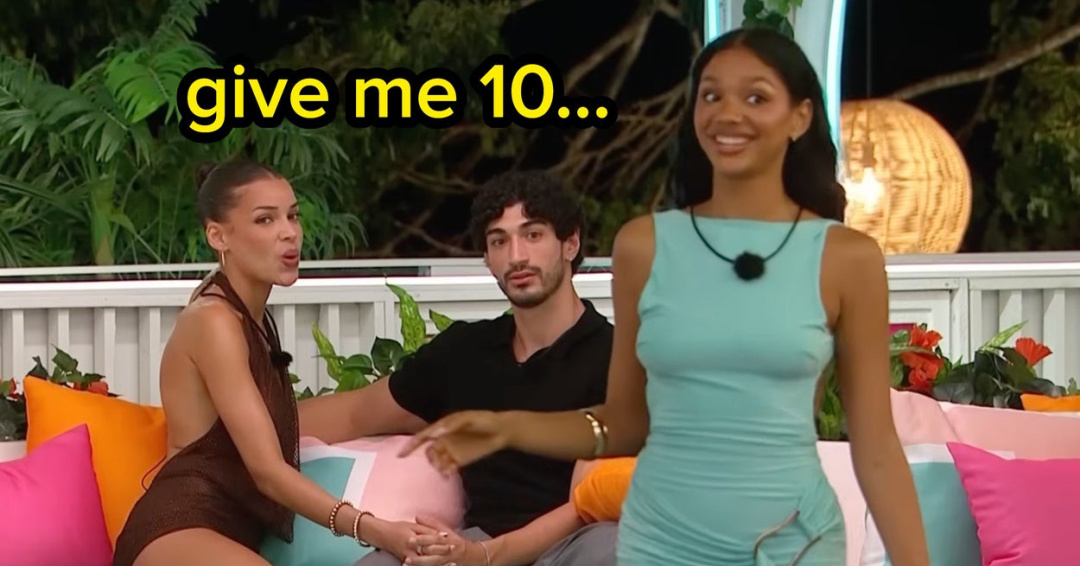
In an era where romance meets technology, the latest reports from the Gen Z dating circuit reveal a baffling new standard. Couples are no longer convinced that love can blossom in the analog world. Instead, they’re swiping right into the realm of AI-generated images and relationships that might exist only in virtual reality. One particularly striking incident involved a young woman meeting a man from Hinge, only to be greeted post-date with a digitally manipulated image of her own body combined with the head of an A-list celebrity. This event raises significant questions: What does it mean for intimacy when the evidence of our existence can be altered at the whim of a dating app?
The tales of romantic ventures are punctuated by increasingly surreal moments. Where once a simple dinner date sufficed, now it seems one must prepare for a first meeting with not just conversation but also an existential reckoning. One participant recalls suggesting a casual drink, only to have her date cancel at the last minute due to financial constraints, proposing instead a beach rendezvous to smoke together. The absurdity of turning what could be a charming outing into a budget-friendly smoke session exemplifies the perplexities of contemporary dating expectations.
Objects of Questionable Importance
Must Have Sponsors.
Another story describes a well-intentioned date turning into a performance of emotional labor, where a casual connection devolved into a therapy session. The individual found themselves bearing the burden of their date’s personal grievances, highlighting the increasing trend of emotional exchange without traditional romantic reciprocation. It appears that dates now serve dual purposes: romantic prospects and support groups rolled into one.
Dating apps have transformed the landscape into a virtual minefield, where individuals share their most intimate moments with the hope of finding connection, only to face the reality of ghosting and newfound anxieties. One unfortunate dater recounted a five-month relationship plagued by the ghosting phenomenon after what seemed like a promising connection, leading to the existential crisis that all millennial dating trends seem to induce.
The concept of genuine dating has been further complicated by the presence of digital personas, where one participant reflected on the unspoken pressures to perform a curated version of oneself, whether real or AI-generated. As the line between reality and digital representation blurs, the implications for relationships evolve, leaving many to wonder if authentic connections are still possible in a world dominated by filters and algorithm-driven interactions.
Ultimately, as these stories continue to circulate and evolve, they serve as societal commentary on the impossible expectations of modern relationships—where authenticity is often overshadowed by the allure of digital augmentations. Gen Z may find themselves navigating a dating landscape that is as fascinating as it is fraught, teetering on the edge of real connection and simulated experiences.