Hollywood's New Weight Loss Craze: The Return of the Impossible Woman
In a stunning turn of events, Hollywood finds itself once again entrenched in the age-old battle of beauty standards as celebrities are adopting increasingly questionable dieting practices, all in pursuit of that elusive, unattainable ideal: being effortlessly thin. The latest obsession involves GLP-1 medications, which promise to melt away the pounds faster than a snowman in July, leading to a delicate balance of health and societal expectations that is anything but delicate.
Dietitians and psychologists are ringing alarm bells, noting that the re-emergence of celebrity thinness resembles a throwback to the '90s and early 2000s, when the skin-and-bones aesthetic was all the rage. Sammi Brondo, a registered dietitian, suggests that the current trend is creating a dangerous precedent, especially for impressionable young women who are heavily influenced by what they see on their screens. With influencers and actresses stepping onto the red carpet looking like they've just emerged from a 48-hour juice cleanse, the pressure to conform to such extreme standards is escalating.
Objects of Questionable Importance
Must Have Sponsors.
The problem is compounded by a fashion industry seemingly addicted to glorifying extreme thinness—proof of this can be found in the pages of fashion magazines that continue to feature models whose waists seem to defy both gravity and basic anatomical proportions. The trend has raised serious concerns among mental health professionals, who warn that an ideal steeped in unrealistic standards can lead to body dissatisfaction, negative emotions, and a host of eating disorders that are already rampant in young women.
The Celebrity Paradox
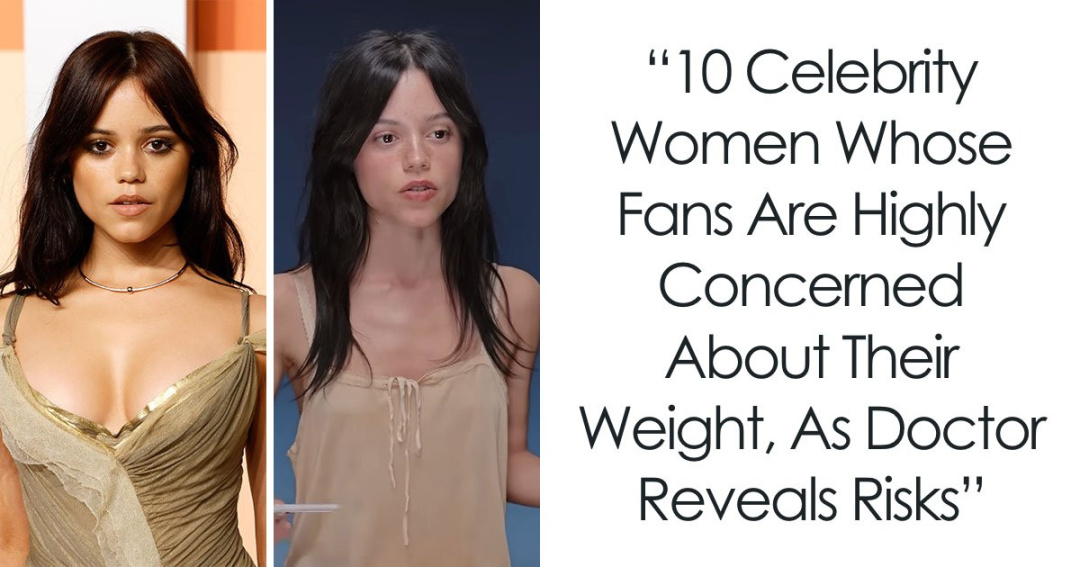
Notably, actresses like Jenna Ortega and Ariana Grande have come under fire as fans express concern over their dramatic weight loss. The discontent isn’t rooted in disdain; rather, it springs from care as viewers watch their favorite stars transform under the weight of public scrutiny and relentless social media commentary. Grande, for instance, has publicly requested that her body not be a topic of conversation—an almost Sisyphean task in an industry that thrives on the commodification of women’s appearances.
Moreover, as celebrities like Demi Moore and Emma Stone navigate the fine line between personal health and public perception, the conversation shifts towards accountability. The dichotomy of body positivity and weight loss creates a cultural paradox that leaves many grappling with conflicting messages. When did caring about one’s health become a secondary consideration to fitting into a cultural mold?
As Hollywood figures embrace the latest wave of weight-loss drugs, they inadvertently reinforce the harmful idea that our worth is tied solely to our appearance. Body positivity advocates have spent years pushing against these archaic ideals, only to see them resurfaced through a new lens. With every celebrity transformation, society inches closer to a critical juncture: will we choose to prioritize health and well-being above appearance, or continue to chase the mirage of the perfect body?
Back to Reality
As the debate over weight loss and health rages on, it is essential to remember that true empowerment comes from self-acceptance rather than conforming to an impossible standard. Perhaps it is time for Hollywood to realize that the only weight that matters is the weight of truth, responsibility, and self-love. Let us collectively reject the notion that thinness equals beauty and embrace a more inclusive vision of what it means to be healthy and happy. After all, no one should have to shrink themselves to fit into a mold that was never designed for them.