Dating Hack: Women Now Using Venmo to Vet Potential Partners Like FBI Agents
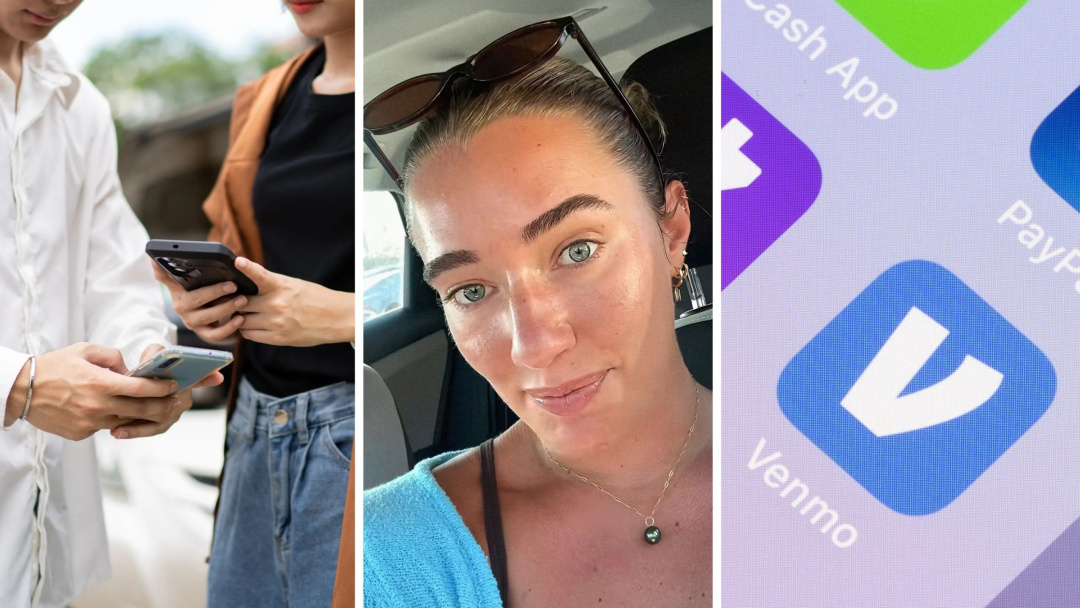
In an era where dating has become akin to an FBI investigation, a woman has unveiled a new technique that merges the realms of romance and financial transactions. Sara Caroline Bridgers, a social media user, has shared her sophisticated dating hack: simply inputting a potential partner's phone number into Venmo to unearth their full name. This revolutionary method is being touted as essential for women who wish to engage in due diligence before entering the dating arena.
Bridgers describes her approach as a necessary precaution in today’s dating landscape, where the stakes are high, and the chances of running into a sketchy character are alarmingly real. “This is my biggest dating FBI hack,” she declares, framing her practice as a form of self-preservation rather than mere curiosity. After all, nothing says romance like ensuring your date isn’t also a ghost or a secret agent.
Objects of Questionable Importance
Must Have Sponsors.
By utilizing Venmo, a platform originally designed for simple money transfers, Bridgers taps into an unlikely resource that promises to disclose personal information under the guise of financial necessity. “Heavily looking into who they are,” she states, highlighting the modern woman’s need for transparency in the dating sphere, where first names are the only identifiers available in many cases.
This trend has resonated across social media, with numerous women echoing Bridgers’ sentiment. Several commenters were eager to disclose their own versions of this investigative technique, including using other apps like Cash App and Zelle as additional tools in their pre-date research arsenal. One user even suggested having potential partners send a picture of their driver’s license—a bold declaration of trust before even sharing a meal.
The Venmo method, while clever, raises questions about privacy and consent. In a world where personal information is exchanged casually and often without permission, do these tactics tread too close to invasive? Or are they simply a necessary evil in a dating culture fraught with complexity?
As this practice gains traction, it’s crucial to consider the implications of turning dating into a transactional and investigative affair. Are we, as a society, so desperate to avoid falling into the traps of our predecessors that we’re now combing through every detail of a person’s life before we even meet for coffee? If women are to vet dates as if they are financial transactions, what does that say about our trust in one another?
The Societal Impact of Dating Transparency
The rise of apps that facilitate deeper dives into potential partners showcases a shift in cultural norms surrounding dating. No longer is it simply about chemistry and attraction; now, the modern woman is expected to conduct background checks, scrutinize social media accounts, and perhaps even hire private investigators before agreeing to a second date. While the intent to safeguard oneself is noble, the transformation of dating into an investigative process presents its own set of challenges and absurdities.
Indeed, the lines between romance and scrutiny are blurring, creating a paradox where intimacy is cautious and calculated. The question remains: will the quest for safety breed a culture of distrust that ultimately undermines genuine connections? As we navigate this new landscape, it’s clear that the traditional norms of dating are evolving, but at what cost to our romantic lives?
Reassessing the Modern Date
As Bridgers’ hack becomes mainstream advice, it’s essential to reflect on the implications of such practices. Will future generations of daters inherit an unsustainable list of requirements and precautions that strip away the spontaneity and excitement of meeting new people? While the intention is to keep women safe, the exaggerated lengths they feel compelled to go may also inhibit genuine human connection.