New Trend Declares Women Must Now Work Harder at Being Traditional than at Their Careers

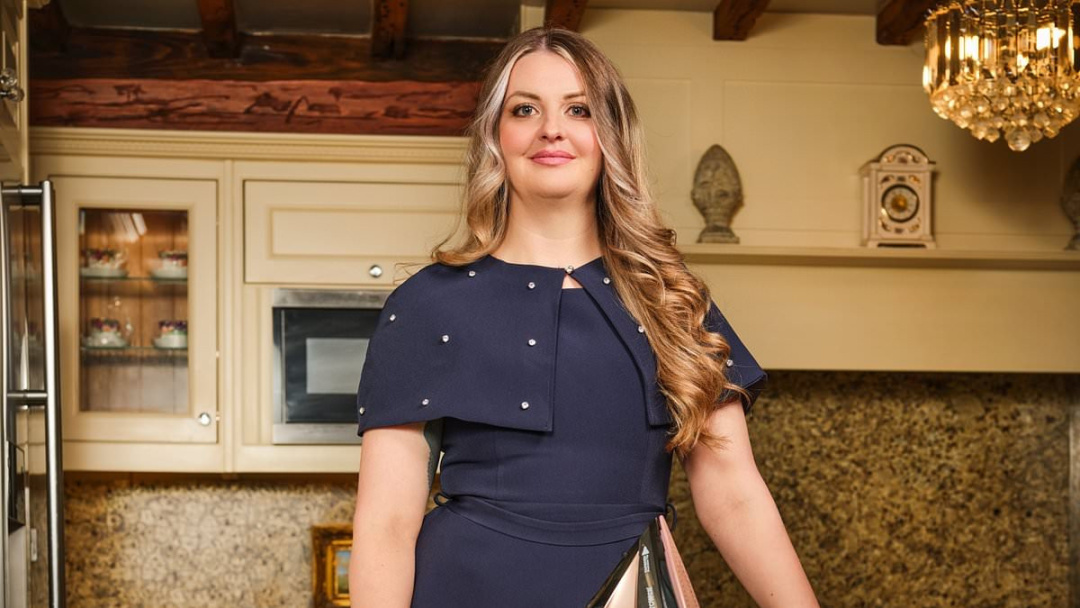
In an era where career women are celebrated for their accomplishments, a new trend is sweeping the landscape of modern relationships, proclaiming that women must now work harder at being traditional than they ever did at their careers. Welcome to the 'tradwife' phenomenon, where a woman's worth is seemingly tied not just to her domestic proficiency but to an almost superhuman capacity for emotional labor and flawless presentation.
The tradwife trend eschews the complexities of modern womanhood, suggesting that a return to traditional gender roles is the way forward. As social media feeds brim with images of women clad in vintage attire, mastering the art of baking sourdough bread while simultaneously perfecting their Instagram aesthetics, one can’t help but wonder: are we really embracing choice, or are we simply recycling an outdated narrative dressed in nostalgic filters?
Objects of Questionable Importance
Must Have Sponsors.
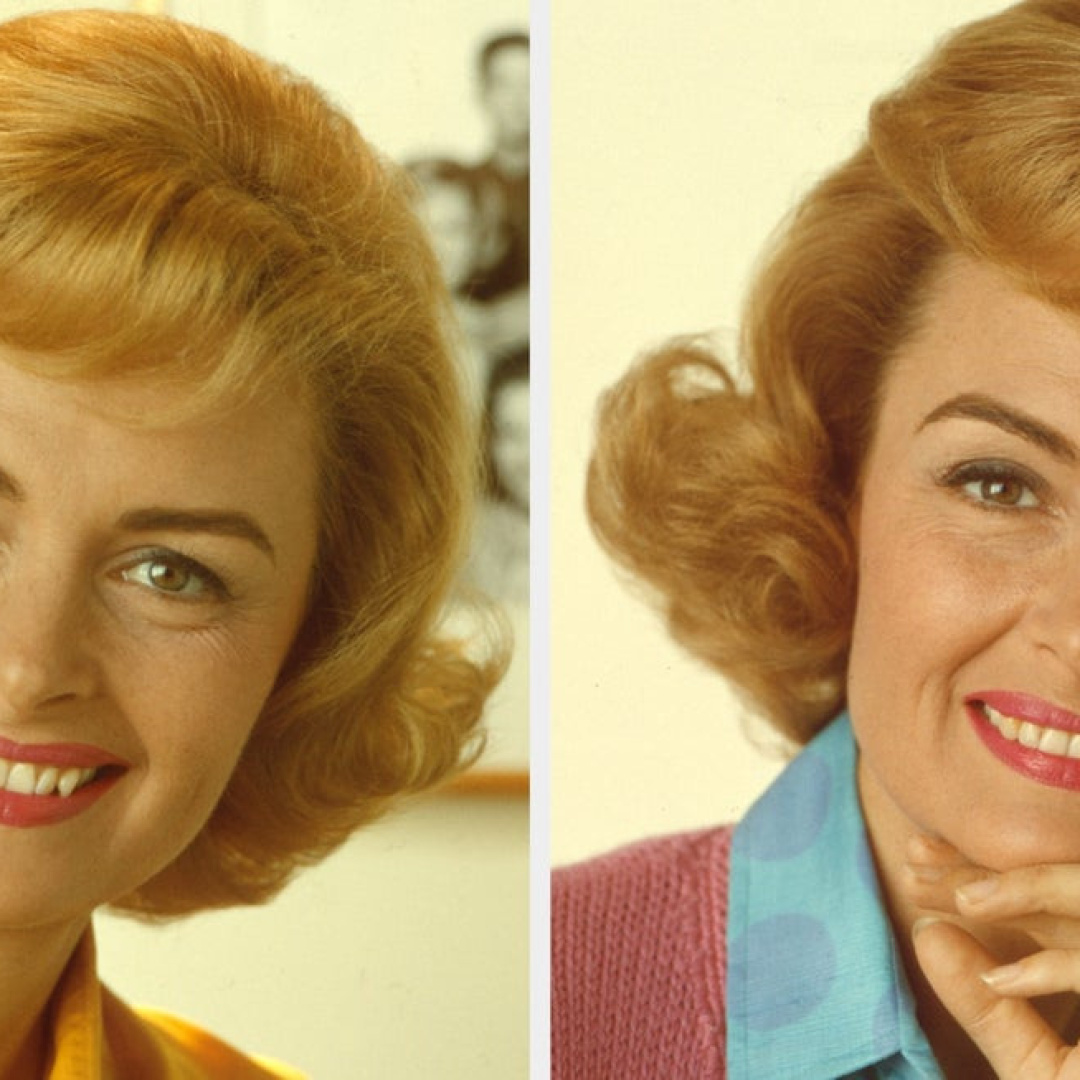
This new archetype demands endless self-improvement, as women are bombarded by messages that suggest they must embody the virtues of the 1950s housewife while also managing the pressures of contemporary society. It’s as if there’s an unwritten rule that states: if you’re not baking homemade brownies from scratch while simultaneously crafting a career, are you even really trying? This absurd expectation is, of course, underpinned by an overwhelming guilt that any moment spent on oneself could be a moment spent cultivating the perfect household.
In this paradoxical scenario, women are expected not only to excel in their careers but also to moonlight as flawless homemakers and partners, all while maintaining an effortlessly chic appearance. The inevitable stress of such a multifaceted role leads to a bizarre dichotomy: the more women strive to meet these impossible standards, the more society seems to reinforce the need for them to sacrifice their personal ambitions in the name of tradition.
Navigating the New Domesticity
The rise of the tradwife raises significant questions about autonomy and choice in the modern context. Is it truly a choice if the cultural narrative surrounding femininity and success is steeped in antiquated ideals? The pressure mounts as women find themselves vying for a place in a competition defined by unattainable perfection and relentless domesticity.
Reality creates a challenging backdrop for those embracing this trend. While some may find fulfillment in their new traditional roles, the irony remains stark: the very freedom women fought for in the workplace is now threatening to tether them back to the confines of the home in pursuit of an ideal that may not be theirs to pursue. Perhaps the defining moment of this trend will not be how many women choose to embrace it, but rather how many recognize the ludicrousness of the checklist they are being handed—one that includes impeccable home décor, a flawless family life, and the ability to host a brunch that would make Martha Stewart envious.
As we consider the implications of this modern-day domestic renaissance, it's essential to ask: when did being a wife and mother become a full-time job, and why are the qualifications more stringent than ever? The answer may be buried under layers of societal expectation and the absurd need for women to display their worth in a world that demands a perfect balance of tradition and ambition.
The Fine Print
As we navigate this brave new world of the tradwife, it's crucial to confront the reality that the expectations placed upon women are often insurmountable. The fine print remains hidden in the fine details of daily living—where women are expected to thrive in an environment that simultaneously praises ambition while holding them back with traditional expectations. What we truly need is not a return to the past, but a reimagining of what womanhood can look like in the modern world, one where the only pressure to perform is the desire to live life on one’s own terms, free from the shackles of outdated ideals.
Shouldn’t we be celebrating the diverse roles women play rather than pushing them into a box labeled ‘tradwife’? With each passing day, the call for women to embrace their individuality grows louder, and perhaps, just perhaps, it may overshadow the beckoning call of tradition once and for all.