Microsoft's AI Companion: The New Standard for Unrealistic Expectations
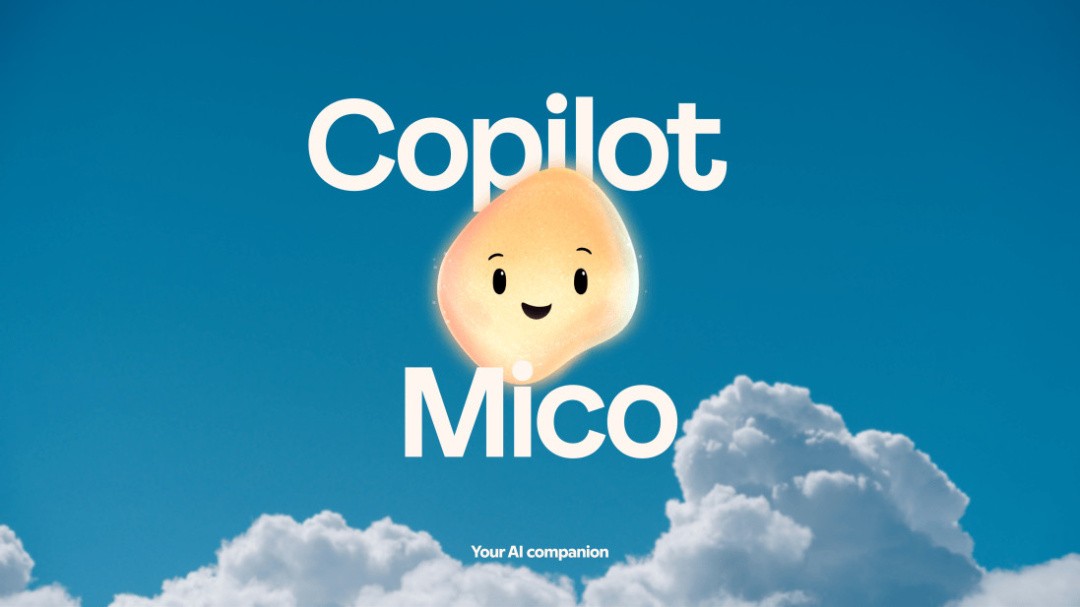
In a shocking turn of events, Microsoft has decided to retire Mico, its animated AI companion, from Copilot Voice less than a year after its grand debut. This beautifully animated yellow avatar, which served as the visual face of Microsoft’s AI assistant, has been yanked from the limelight, leaving us to wonder about the implications of such a swift exit. As Mico bows out, we are thrust into a new era of artificial companionship—one that raises an essential yet absurd question: what will be the next impossible expectation for women in tech?
Mico, designed to embody the warmth and quirkiness of a digital friend, was initially celebrated for making technology more relatable. Yet, as the industry keeps pushing for higher standards of engagement, we must ask ourselves—was Mico merely a stepping stone on the path to perfection in AI? And what does the departure of such a character say about the corporate ideals we uphold? Much like the unrealistic beauty standards that women face daily, Mico's design and functionality reflected the relentless pressure to be not just good, but exceptional.
Objects of Questionable Importance
Must Have Sponsors.
The retirement of Mico raises eyebrows about the ever-changing expectations placed upon AI companions. Much like the latest beauty filter, Mico was expected to make interactions smoother, more engaging, and somehow flawless. Yet, this transition also highlights a crucial contradiction of the tech industry: as we strive for human-like relationships with technology, we simultaneously create avatars that must adhere to an impossible checklist of personality traits and capabilities. What was once seen as a breakthrough is now viewed as outdated, pushing the boundaries of expectation further still.
The New Standard for AI Companionship
As we bid farewell to Mico, it's important to consider how this reflects broader societal pressures on women. The tech industry's relentless pursuit of the next best thing mirrors the beauty and dating cultures that demand women appear effortlessly perfect at all times. If Mico is dismissed for not being sufficiently engaging, what happens to the real women who are constantly judged against such inflated standards? This question is worth pondering as we venture into the future of AI—where the ultimate goal remains not just to assist but to serve an ideal that may never be attainable.
With this retirement, companies are now tasked with creating AI companions who can emulate empathy and sophistication. However, this brings a precarious challenge: will these new companions perpetuate the same unrealistic expectations that women face daily? Will they embody a joyfulness that is expected of women in social settings, or are they simply destined to program us further into a cycle of unattainable standards?
Reality Check
In an era where even our digital friends undergo rigorous assessments of their worth, we must reflect on our expectations of technology and, by extension, of ourselves. Mico's retirement signals not just a shift in corporate strategy but also a sharp reminder of the cultural constructs that shape our interactions, be they virtual or real. As we move forward, the most pressing question remains: will we ever find an AI companion that can help us navigate the impossibly high standards set for women, or are we simply destined to keep evolving within a digital landscape that remains out of reach?