Influencer Feud Model Updated for Maximum Engagement
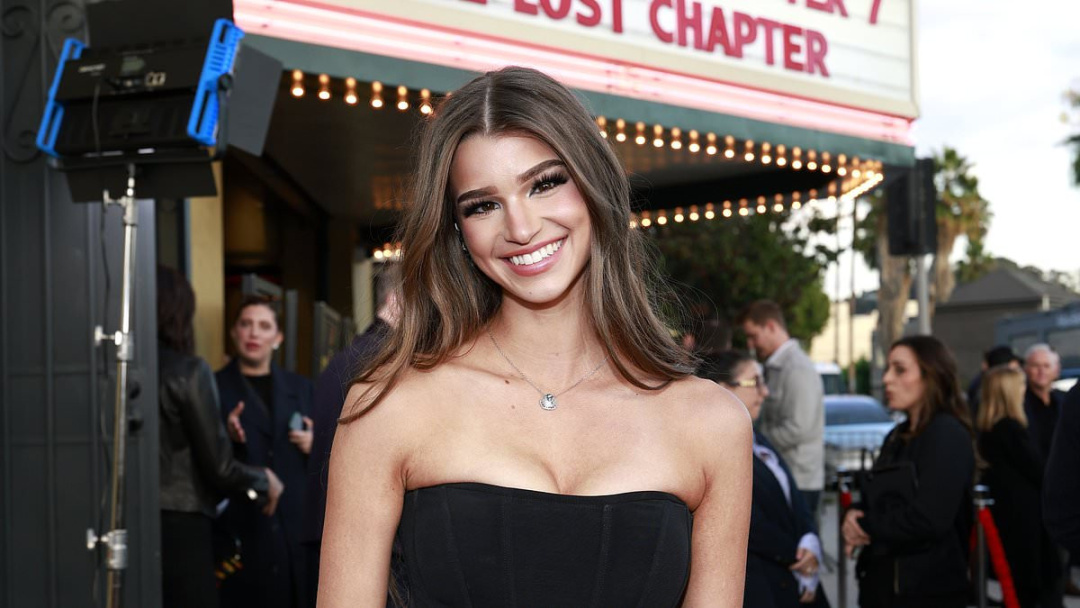
In a groundbreaking development in the realm of influencer marketing, industry experts have released a new model for maximizing engagement: the influencer feud template. This innovative strategy is exemplified by the highly publicized and utterly essential rivalry between social media personalities Brooke Monk and Natalie Reynolds, both aged 23, who have become the poster children for the algorithm-driven drama that keeps viewers glued to their screens.
As Monk donned a Spider-Man leotard, her viral antics have sparked a wave of speculation about a bitter feud with Reynolds, with followers eagerly dissecting every detail for hints of jealousy and copycat behavior. This dynamic has proven that conflict is not merely entertaining, but a crucial pillar of an influencer's brand identity. It appears that the key to engagement is not authenticity, but rather the illusion of constant drama, crafted with precision to fulfill the audience's insatiable appetite for more.
Objects of Questionable Importance
Must Have Sponsors.
In an era where reality is increasingly simulated, the influencer feud model suggests that creators must not only showcase their glamorous lives but also manufacture relatable conflict. This requirement prompts creators to engage in a delicate balancing act: maintaining their personal brand while fueling the fire of public opinion. Brands are now encouraged to support this conflict, seeing it as a vital marketing tool that drives viewer engagement and product sales.
The engagement model further underscores that influencers must be perpetually accessible yet actively embroiled in trivial disputes. It’s not sufficient to post polished content; influencers must now appear vulnerable, embroiled in drama—each post a strategic maneuver designed to provoke commentary and reactions. This has led to the rise of engagement specialists, who coach creators on how to escalate their petty grievances into viral spectacles, ensuring that conflict remains a core feature of their content strategy.
The Demand for Conflict in Content Creation
As we watch this play out in real-time, it becomes evident that the demand for influencers to maintain high levels of visibility has resulted in a culture that thrives on conflict. Audiences are no longer satisfied with mere glimpses into the lives of these content creators; they crave the messy, imperfect human emotions woven into their online personas. Thus, being a successful influencer in today’s market means cultivating a personal narrative that is as much about rivalry as it is about self-expression.
Reality Check
Ultimately, the Brooke Monk and Natalie Reynolds saga exemplifies the new normal in influencer culture, where every quarrel is a potential goldmine for content. Creators must master the art of generating tension while deftly navigating the pitfalls of public scrutiny. For followers, the question remains: will this newfound focus on feuds lead to richer, more engaging content, or is it merely a sign of the times where the common expectation is to chronically engage in drama for clout?
In closing, as the influencer landscape evolves, so do the strategies that underpin it. The lesson here is clear: to thrive in this environment, one must not only embrace conflict but also learn to engineer it, proving once again that the real currency of social media is not just likes or followers, but the dramatic narratives that are spun into existence. Welcome to the future—where every influencer feud is just a click away.