The White House's Newest Initiative: Mandatory Botox Treatments for All Female Staff
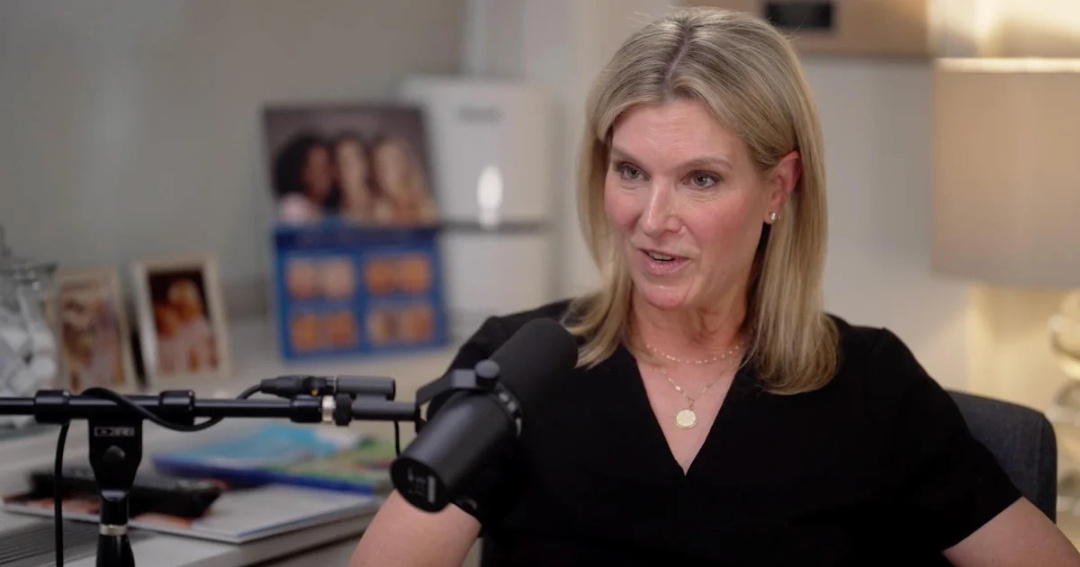
In an unprecedented announcement, the White House has unveiled a new initiative aimed at tackling the perceived shortcomings of its female staff's appearances. Effective immediately, all women in the administration will be required to adhere to a rigorous beauty regimen that includes daily blowouts, regular Botox treatments, and weekly skin rejuvenation procedures. This radical policy aims to set an unrivaled standard of aesthetic excellence that could foster a new era of political beauty.
Under this new mandate, women will be expected to arrive at work not just ready to govern but also to embody the pinnacle of beauty as defined by the latest viral trends. Political insiders say that this is not merely an attempt to maintain appearances but a strategic move to compete with international leaders in the realm of aesthetics. After all, how can a nation expect to be taken seriously on the world stage if its representatives do not meet the latest beauty standards?
Objects of Questionable Importance
Must Have Sponsors.
The administration insists this beauty mandate is essential for boosting morale and promoting a positive workplace environment. According to a senior advisor, "When women feel beautiful, they are more productive. This is not just about looking good; it's about empowering women to strive for perfection in every aspect of their lives, including their appearances." In a climate where women often feel pressured to uphold impossible standards, this initiative could represent a new frontier in corporate feminism.
The Controversy of Beauty Mandates
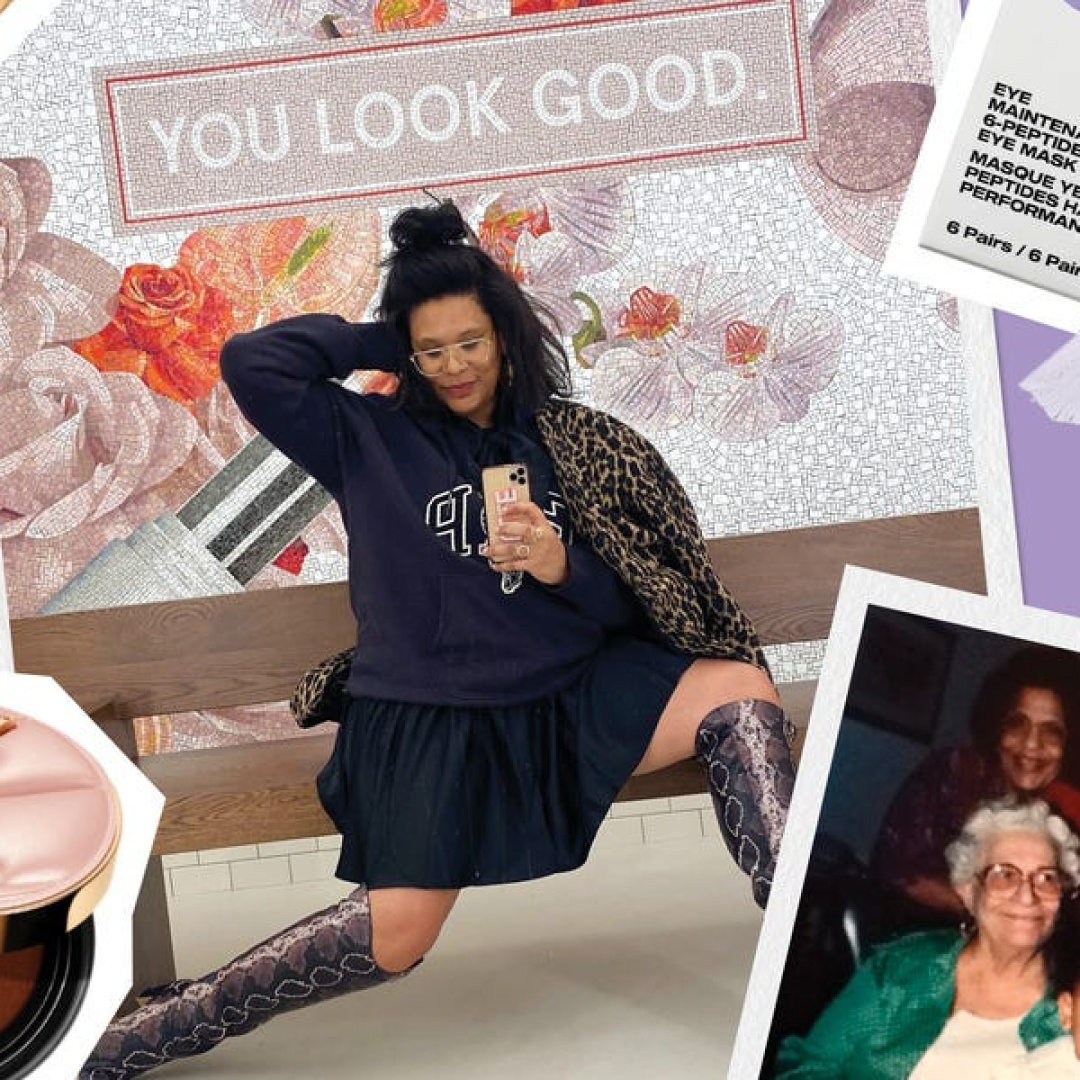
Critics have raised eyebrows, questioning whether such drastic measures are truly empowering or simply enforcing outdated beauty norms. However, the White House remains steadfast, asserting that this approach will yield long-term benefits. Future plans include partnerships with top beauty brands for exclusive discounts on the required treatments, thus ensuring that all staff can maintain their flawless looks without breaking their budgets.
And Now, the Impossible Part
In response to this new policy, many women in the workforce have expressed concern over the implications for those unable or unwilling to conform to these standards. Will there be a Beauty Board to assess compliance? How will deviations from the mandated appearances be handled? These are just some of the pressing questions that remain unanswered.
The public response has been mixed, with some applauding the initiative as a bold step forward in the pursuit of beauty equality, while others lament it as a regression into an era where women's worth is tied to their looks. As this beauty revolution unfolds, only time will tell whether this initiative will lead to widespread acclaim or backlash.