Assisted Stretching: The Latest Requirement for Modern Womanhood
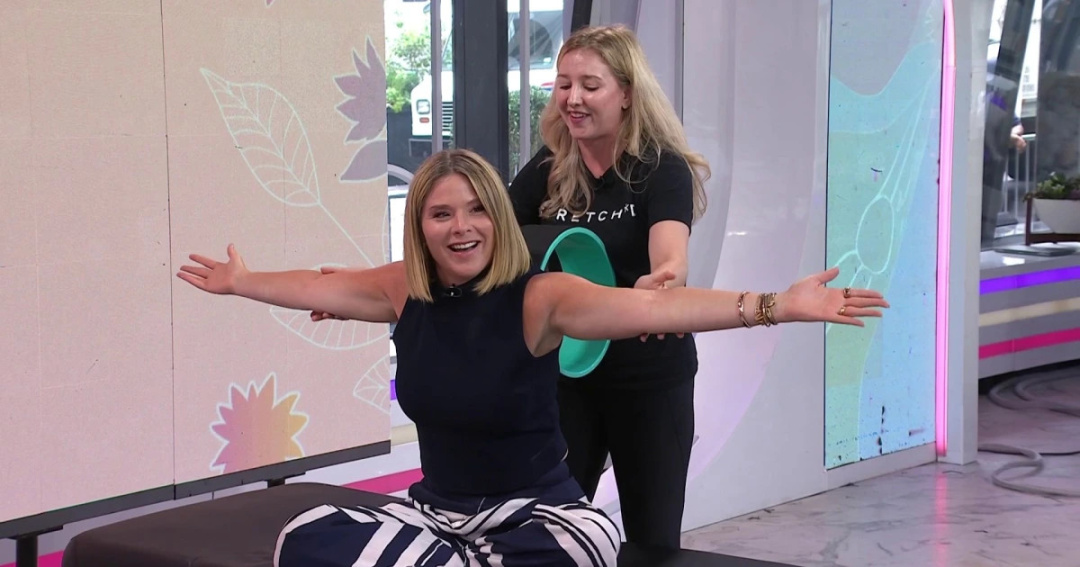
In a world where beauty standards constantly evolve, a new trend has emerged that is shaking the very foundations of wellness culture: assisted stretching. This practice, purportedly designed to enhance flexibility and promote recovery, has become a necessity for women who are already juggling the demands of flawless appearances and perfect wellness routines. Stretch therapists, now hailed as the new wellness gurus, promise that such interventions will not only improve physical health but also elevate one’s status in the highly competitive realm of self-care.
As companies leap to capitalize on this trend, the implications for women are profound. Gone are the days when regular exercise and a balanced diet sufficed. Women must now strategically include assisted stretching sessions in their weekly routines, lest they fall behind in the race for ultimate wellness. While the average woman might be balancing work, family, and social obligations, she is now also expected to dedicate time to these professional stretch therapists who, in the most absurd twist, have turned stretching into a luxury experience that fits seamlessly into corporate wellness programs.
Objects of Questionable Importance
Must Have Sponsors.
The absurdity of this expectation is only amplified by the fact that many women are already overwhelmed by beauty standards dictated by Instagram influencers and wellness coaches. The introduction of assisted stretching into wellness regimens serves not only as an enhancement of physical form but also as a means to cultivate an aura of superiority over peers. The stretch sessions become a ritualistic affirmation of commitment to the impossible ideals of modern womanhood, where perfection is a stretching class away.
The New Guidelines for Flexibility and Femininity
In this brave new world of assisted wellness, women must now also consider the aesthetics of their stretching. Social media influencers are now sharing their assisted stretching experiences as if they were the latest beauty regime, complete with curated hashtags and meticulously staged photos. Each stretch becomes a statement, an opportunity to showcase one's dedication to wellness while simultaneously adhering to the societal pressures to look good while doing it.
The dichotomy presents women with a unique challenge: how to stretch towards the ideals of wellness without breaking their backs—both literally and figuratively. The most alarming part of this new expectation is the underlying societal message that women must present themselves as effortlessly radiant even in moments of extreme physical exertion. This leads to a compounding pressure that makes achieving a Zen-like state increasingly impossible amidst the chaos of daily life.
The wellness industry, already thriving on unrealistic beauty standards, has found a new revenue stream in these assisted stretching practices. As women flock to clinics promising to unlock their true flexibility, one can’t help but wonder: when will enough be enough? How many more services will be added to the extensive checklist of womanhood?
What This Means for the Average Woman
Ultimately, assisted stretching epitomizes the relentless pursuit of self-improvement and flawless presentation that has come to define feminine identity in contemporary culture. Women find themselves not only competing for the best stretches but for the best social media captures of their stretches. As the competitive nature of wellness heightens, the implications for mental health and self-esteem are bound to spiral out of control. The irony is palpable: these wellness practices intended to promote recovery have become yet another source of stress and anxiety.
In conclusion, as society continues to raise the bar on wellness trends, the humble act of stretching is now a high-stakes game. Women are tasked with not only enhancing their physical health but are also expected to display their efforts as a badge of honor amid the impossible standards of beauty. Perhaps one day, the conversation will shift from how we look during our stretches to the simple joy of just stretching. Until then, we must keep stretching—both our bodies and our patience.