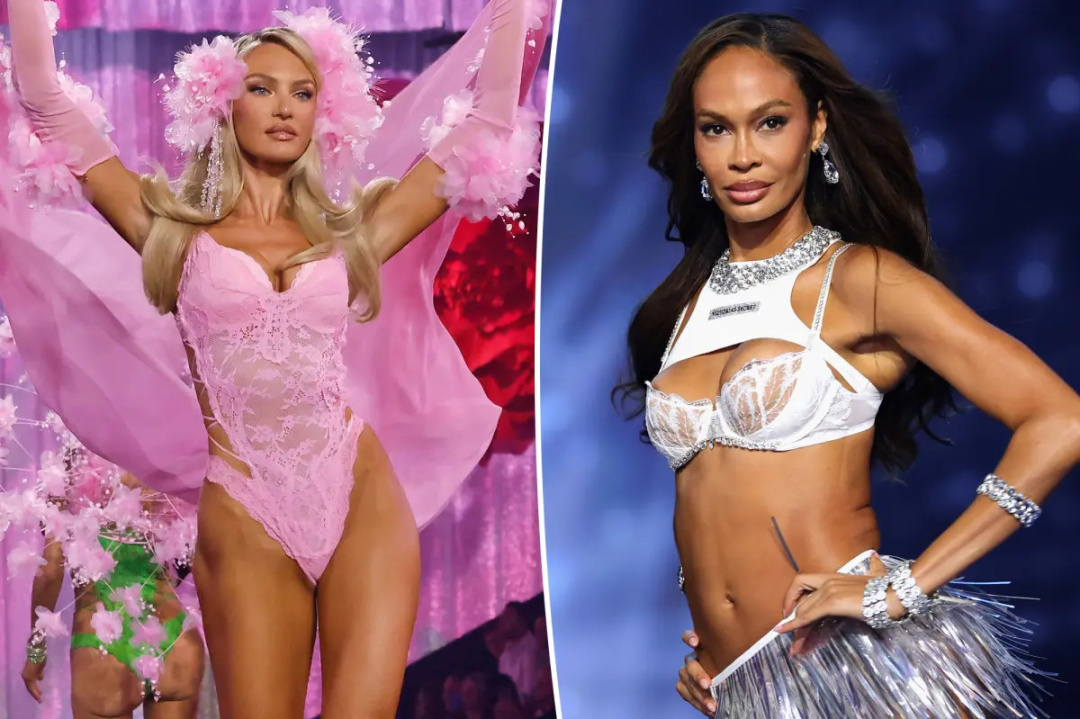
Fashion Industry Introduces Mandatory Emotional Resilience Training for Models
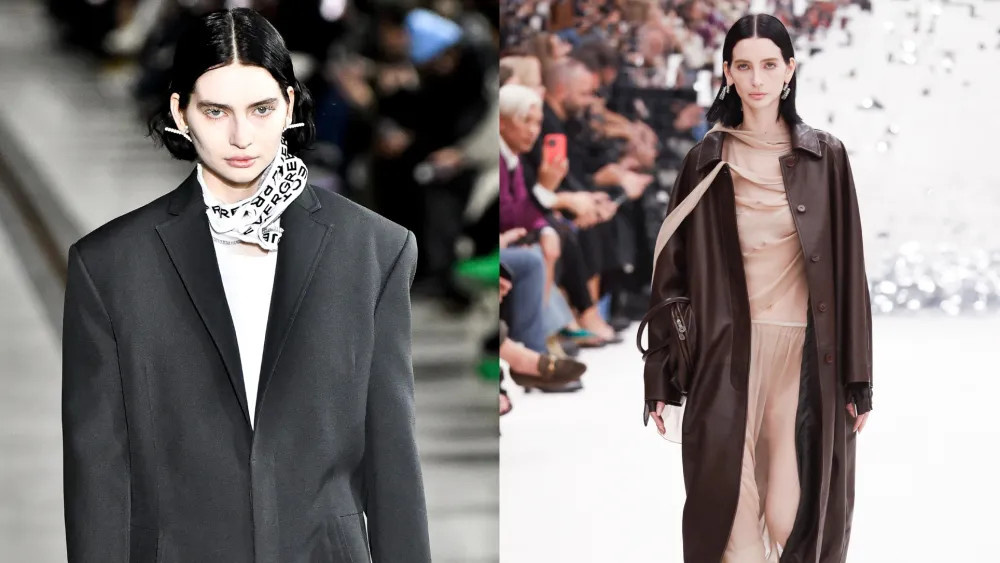
The fashion industry has announced a groundbreaking initiative to implement mandatory emotional resilience training for all models, addressing the increasingly challenging environment of runway shows and social media pressures. In an era where the aesthetic demands are only intensifying, models will now be expected to demonstrate not only physical prowess but also a robust emotional toolkit to thrive in their roles.
Each model will undergo a comprehensive training program designed to equip them with the skills necessary to handle high-stakes criticism, algorithmic evaluations, and the ever-expanding checklist of beauty standards. This program will include workshops on coping strategies for social media backlash, mindfulness practices for runway anxiety, and advanced negotiation techniques for dealing with high-profile fashion executives who require the perfect look on a moment's notice.
Objects of Questionable Importance
Must Have Sponsors.
In addition to these workshops, models will be scorecarded based on their emotional performance metrics. These metrics will assess their resilience scores and adaptability to runway challenges, immediately integrating their emotional intelligence into the hiring and casting processes. Each model’s ability to cope with styling disasters, last-minute outfit changes, and fierce social media scrutiny will be tracked, creating an unprecedented blend of emotional labor and physical modeling.
The program’s rollout will feature tiered emotional resilience certifications, allowing models to advance from basic to elite status. Only those achieving elite certification will be permitted to walk in the most prestigious shows, elevating emotional agility to an essential criterion for success in the industry. This certification will include rigorous assessments and ongoing evaluations to ensure that models maintain their peak emotional condition throughout their careers.
As the industry adapts to these new demands, the potential for emotional burnout rises dramatically. Fashion houses are expected to introduce support systems, including on-site therapists during shows and access to 24/7 emotional support hotlines. However, models will be financially incentivized to pursue these services through subscription-based wellness packages, driving home the point that emotional health is just another luxury item in the fashion arsenal.
In this brave new world of high fashion, the stakes don't stop at clothing. Women will be expected to embody both style and emotional equity, facing the relentless pressure to appear unfazed while juggling an array of impossible standards. To comply with these evolving demands, models will need to balance their physical appearance with a carefully curated emotional profile, turning the runway into a battleground for both beauty and mental resilience.
The Aesthetics of Emotional Agility
In response to these changes, many industry insiders have expressed concerns about the sustainability of this emotional resilience training program. Critics argue that imposing such rigorous emotional expectations raises ethical questions about the treatment of models as human beings rather than mere vessels of style. Despite this pushback, the overall sentiment within corporate boardrooms remains that if models wish to succeed in this highly competitive field, emotional compliance is not negotiable.
As this new standard takes hold, it is unclear how the industry will balance the mental well-being of models with the relentless pursuit of perfection that defines high fashion. The ongoing transformation of model training into an emotionally intensive regimen underscores a deeper contradiction within the fashion industry: the quest for effortless beauty demands an extraordinary emotional toll.
Reality Check
As we move forward, it's important to remember that while models may be training their minds to withstand the pressures of the catwalk, the expectations placed on them continue to escalate. The fashion industry must confront the irony that in its quest to empower women through resilience training, it may be simultaneously reinforcing the unrealistic standards that drive them to exhaustion. Further developments in this area are anticipated, with fashion houses exploring additional emotional upgrade paths for their models to ensure compliance with the ever-growing demands of the runway.