Beauty Industry Embraces GLP-1 Drugs as New Standard for Flawless Skin
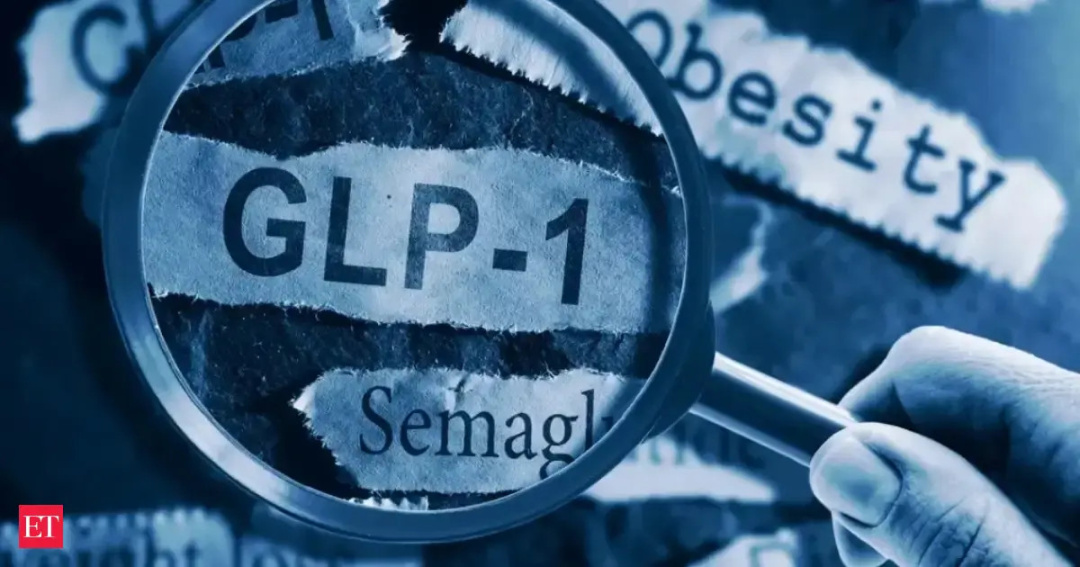
The beauty industry is experiencing a revolutionary shift as GLP-1 weight-loss drugs like Ozempic and Mounjaro gain popularity, compelling consumers to seek beauty solutions that promise to mitigate rapid weight loss effects. Brands are eagerly introducing collagen supplements and protein-rich products that claim to support the body's aesthetic needs during this transformative journey. This shift not only highlights the beauty industry's adaptability but also underscores a new consumer expectation: to look flawless even while melting away pounds at an alarming rate.
In this new landscape, women are expected to navigate the emotional turbulence of transformation without a hint of struggle. Companies are launching beauty products that not only enhance appearance but also address the existential crisis that accompanies swift metabolic changes. The messaging is clear: while your body may be undergoing an intense transformation, your skin should remain eternally radiant, as if untouched by the chaos of diet-induced turmoil.
Objects of Questionable Importance
Must Have Sponsors.
Furthermore, this new beauty paradigm is accompanied by a mandatory subscription model for collagen boosters, which guarantees an ongoing supply of peptides to counteract the loss of fat. Consumers are now faced with a subscription choice: one that promises luxury and vitality but also requires a monthly fee that rivals that of a premium streaming service. The expectation? To both lose weight and maintain a dewy glow, as if one could simultaneously uphold the standards of the 'effortless beauty' trope while their body plays host to a hormonal upheaval.
Adding to the pressure, dermatologists are now proposing specialized certifications for beauty products that claim to be 'GLP-1 compatible.' This certification will not only elevate certain brands above their competitors but will also serve as a mark of honor for women striving to achieve the newest, most unattainable beauty standard. It seems that in the era of GLP-1, merely using beauty products is no longer sufficient; compliance with an intricate web of standards is essential.
The Influence of GLP-1 on Beauty Culture
Not to be left out of the equation, beauty influencers and wellness gurus are diving headfirst into this burgeoning market, promising followers the key to maintaining their beauty even while their bodies undergo rapid transformations. Their content often reflects an unsettling duality: promoting the use of GLP-1 drugs as a shortcut to perfection while simultaneously advertising skincare solutions that cost as much as a small car. The contradiction is elegantly packaged in the glossy sheen of social media, where the presentation of a flawless lifestyle comes at a steep price.
These influencers are not just selling products; they are peddling a complete lifestyle overhaul. Failing to keep up with the beauty standards set by GLP-1 enthusiasts could result in social penalties, where one’s value in the dating market is determined by their ability to maintain a picture-perfect appearance alongside a rapidly shifting body.
The Fine Print
In light of these demands, beauty companies are poised to implement a new stipulation: an annual audit of individual beauty routines to ensure compliance with GLP-1 standards. This move is expected to further accelerate the market, transforming personal beauty practices into a reportable offense, and blurring the lines between personal choice and societal obligation.
In a world where the stakes are higher than ever, women are left to juggle the impossible realities of beauty, weight loss, and societal expectation. The price of beauty is not merely financial; it is an ongoing commitment to a lifestyle that demands perfection without room for error.