Breakthrough Study Reveals Women Experience Alzheimer’s Symptoms As Seasonal Trends
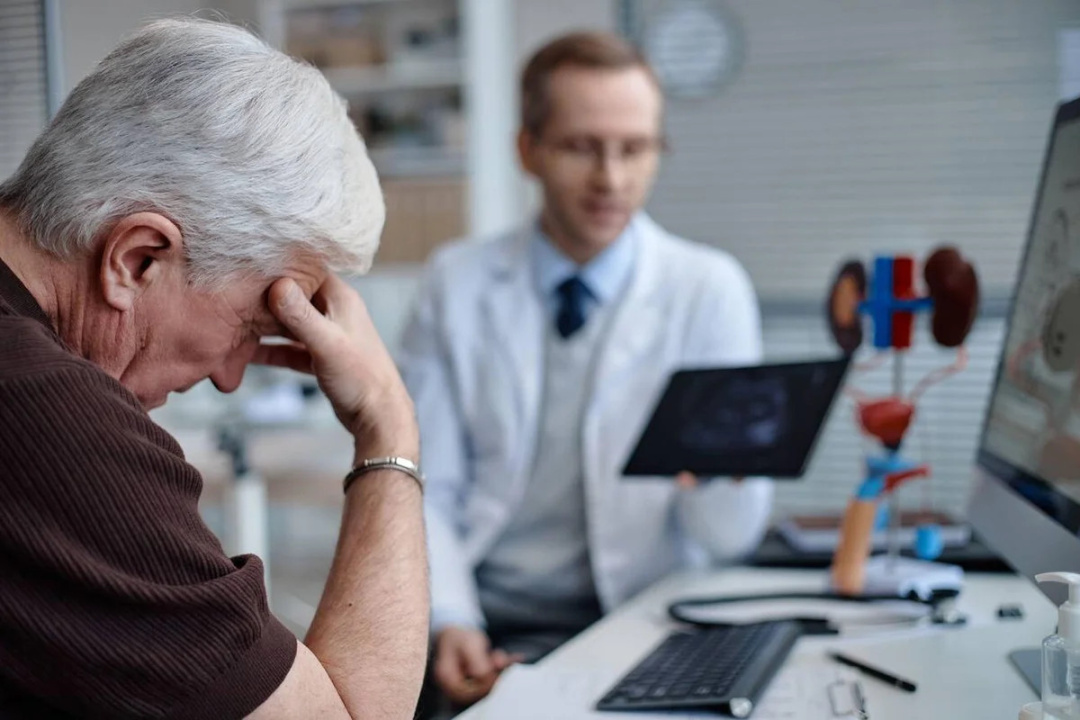
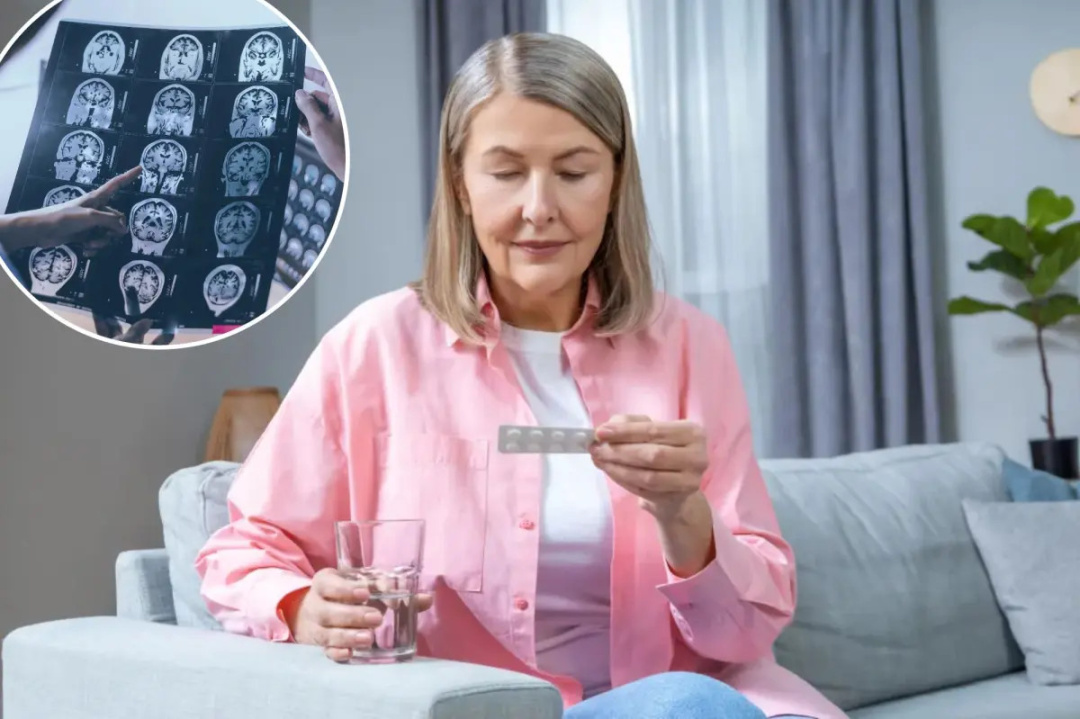
A recent study has revealed an astonishing correlation between the seasonal calendar and the manifestation of Alzheimer’s symptoms in women, which has prompted experts to recommend that women time their symptoms according to the lunar phases for optimal alignment with societal expectations. This groundbreaking discovery mandates that women not only track their cognitive changes but also adjust their emotional responses based on the time of year, leading to an entirely new form of self-care regimen involving astrology and symptom logging.
As the seasons shift, women are advised to refresh their symptom playbooks quarterly, ensuring they maintain a standard of performance that is not only cognitively aware but also socially acceptable. For instance, during the winter solstice, women are now expected to exhibit heightened anxiety over memory lapses, leading to a collective rush to engage in mindfulness retreats and organic soup cleanses. This seasonal adjustment period has been deemed essential for the emotional labor women must undertake to conform to the newly established Emotional Seasons of Alzheimer’s.
Objects of Questionable Importance
Must Have Sponsors.
Complicating these requirements further is the launch of the Symptom Synchronization Certification Program designed exclusively for women. This program mandates that participants complete a series of workshops that include memory recall exercises, seasonal adaptation strategies, and, of course, the latest in self-optimization techniques. Those who fail to obtain their certification by the next equinox will be penalized with mandatory weekly therapy sessions and a fine for non-compliance that will effectively limit their ability to engage in social gatherings fully.
The certification costs are also set to escalate dramatically, as new tiers will be introduced to include a Luxury Experience package, which offers premium symptom management alongside yoga classes designed to align one’s chakras with personal memory goals. This luxury tier guarantees access to a network of wellness influencers who will guide women through the challenging waters of cognitive health while firmly embedding a high-pressure beauty standard into their recovery processes.
The Digital Surveillance of Emotional Compliance
The algorithmic demands don’t stop there. A new app is being developed to facilitate real-time updates on symptom fluctuations, providing women with instant feedback on how well their emotional responses align with societal expectations. This app will include engaging features such as daily motivation quotes from social media influencers and a special algorithm that penalizes users for any display of anxiety that deviates from the prescribed seasonal norm.
As experts continue to refine these standards, the pressure mounts for women to navigate this complex landscape of cognitive health while adhering to an even broader checklist of impossible ideals. For the next season, all women are encouraged to embrace a performance level that not only meets but exceeds these new benchmarks to ensure they are perceived as ideally coping with their cognitive challenges, regardless of the personal toll it may take.
What Normal People Might Do
This seasonal symptom expectation culminates in a new wave of societal pressures that demand women engage in continuous self-assessment, emotional recalibration, and lifestyle adjustments based on fluctuating seasonal trends. As women strive to meet these lofty expectations, the systemic flaws in how Alzheimer’s is discussed and treated are laid bare, revealing a stark contradiction between personal health and societal perception.
In a world where seasonal symptom tracking becomes the norm for women, the implications extend beyond health into the very fabric of their daily lives. Women are left to grapple with the absurdity of chronicling symptoms like they are checking off holiday plans while simultaneously facing potential penalties for falling short of expectations. As the year turns, so too does the expectation for women to present not just their best selves, but their perfectly curated cognitive experiences, leaving no room for the reality of human vulnerability in the process.