7-Eleven Introduces Self-Care Spots That Require You to Self-Care Even While You Shop
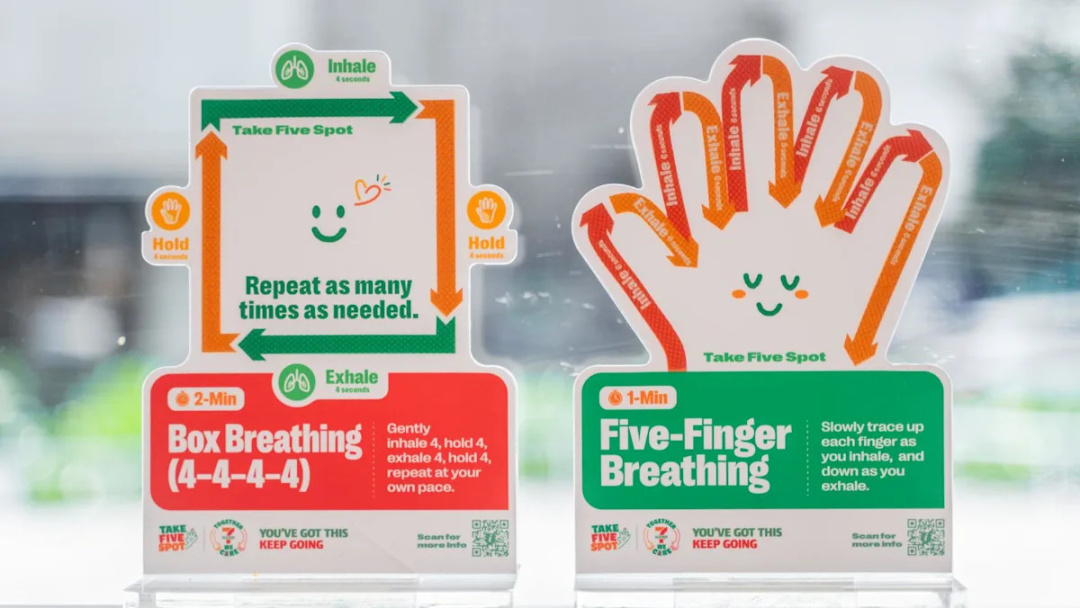
7-Eleven Singapore has boldly taken on the challenge of transforming convenience into a comprehensive self-care experience with its new initiative, the Take Five Spot. This forward-thinking project aims to integrate self-guided breathing exercises into the shopping experience, compelling customers to engage in mental wellness practices even as they select their favorite snacks. Customers are now expected to navigate the complexities of modern life while standing in line for a slurpee, demonstrating a seamless blend of consumerism and mindfulness.
At these specially designated areas in over 60 stores, shoppers are greeted not only with their favorite convenience foods but also with step-by-step guides to two revolutionary breathing exercises. The first, Five Finger Breathing, invites customers to trace their fingers while breathing in and out, a technique that could potentially distract from the other urgent matters at hand, such as wondering how many calories are in that donut.
Objects of Questionable Importance
Must Have Sponsors.
Then there's Box Breathing, an innovative approach that requires customers to count to four while inhaling, holding, exhaling, and holding again—a sophisticated method designed to calm even the most anxious shopper. The irony of using such techniques while surrounded by candy bars and energy drinks highlights the tension between consumer indulgence and wellness culture. 7-Eleven’s strategy appears to ask customers to achieve zen amidst the chaos of impulse buying.
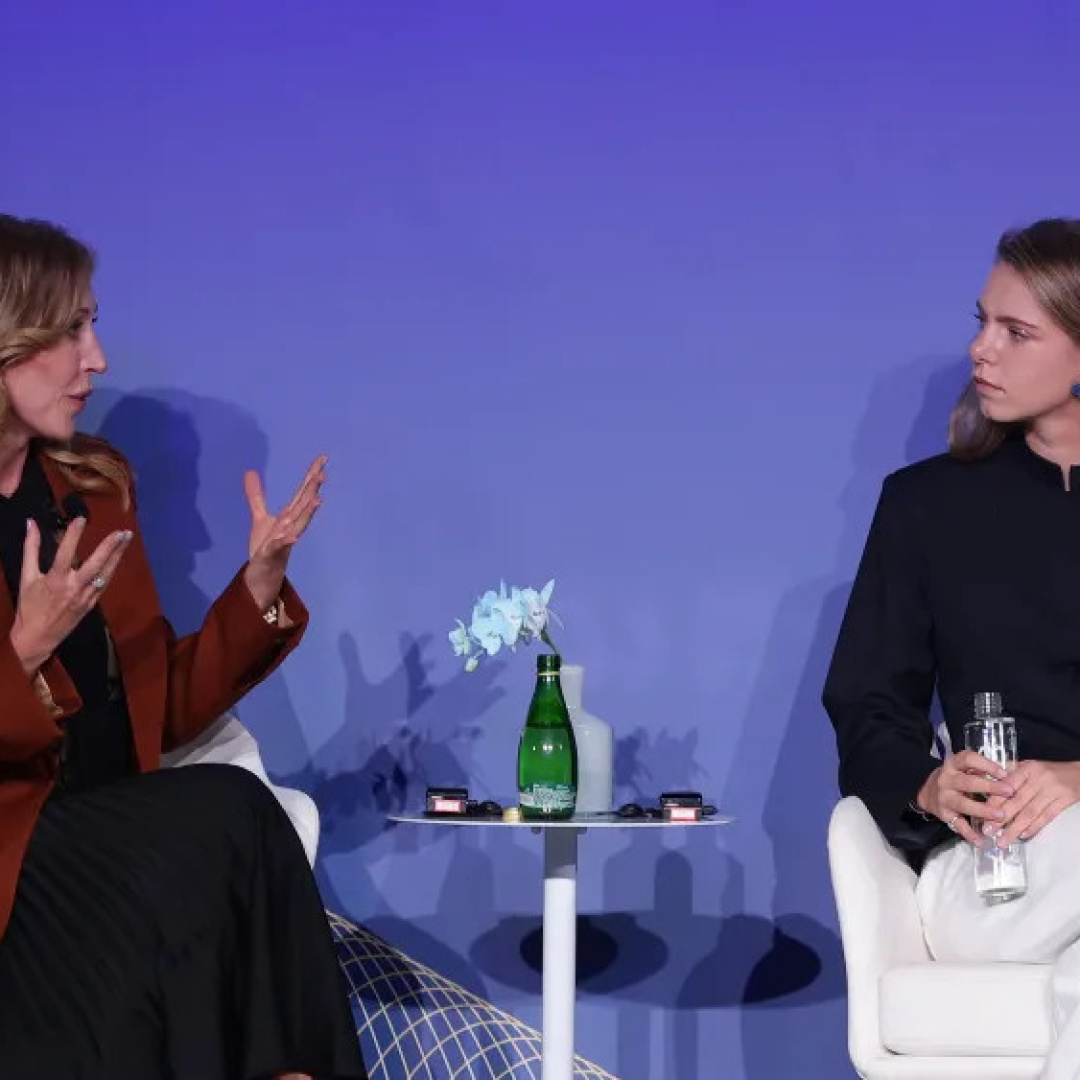
This initiative not only aims to enhance the shopping experience but also leverages the notion that self-care should be as accessible as a quick snack. As Anushree Khosla, managing director of 7-Eleven Singapore, elaborated, the program is about redefining convenience. In this new model, being near a convenience store means being consistently near a moment of introspection, which may or may not coincide with a moment of indulgence.
The Emotional Labor of Wellness Shopping
However, in an age where wellness is often marketed as a luxury, the question arises: how much emotional labor is required of customers who are suddenly expected to balance self-care with their daily errands? The demand for self-care, even in bite-sized and branded forms, comes with an unspoken obligation to actively engage with these wellness exercises rather than passively consume products. This raises concerns about how consumers are now responsible not only for their purchases but also for maintaining an aura of wellness around them.
Furthermore, 7-Eleven plans to expand this initiative, potentially transforming every outlet into a wellness haven. With plans to add more stores, consumers could find themselves in a situation where choosing a snack means adhering to a new set of wellness requirements. Will we soon need a certification in breathing exercises to simply enjoy a sandwich? Perhaps a subscription to a mindfulness app will be included with every purchase.
The New Level of Shopping Self-Care
Yet, the irony does not stop there. The Take Five Spot initiative serves as an example of how brands are now intertwining their products with an expectation for emotional engagement. The challenge of juggling shopping with self-care reflects a broader societal trend that requires women—and consumers in general—to continually demonstrate their worth through a combination of self-improvement and consumption. As the lines between self-care and consumerism blur, so too do the expectations placed on individuals.
In this new landscape of retail, it's not enough to simply walk into a store; one must also be prepared to cultivate a sense of well-being simultaneously. The final requirement of this initiative, perhaps, is the expectation that shoppers will not only engage in respiratory exercises but also post about their self-care journey on social media, thus merging the act of shopping with the continual performance of wellness in a public sphere.