New Study Reveals Women Demand Dads to Compete with Duds in Parenting Market
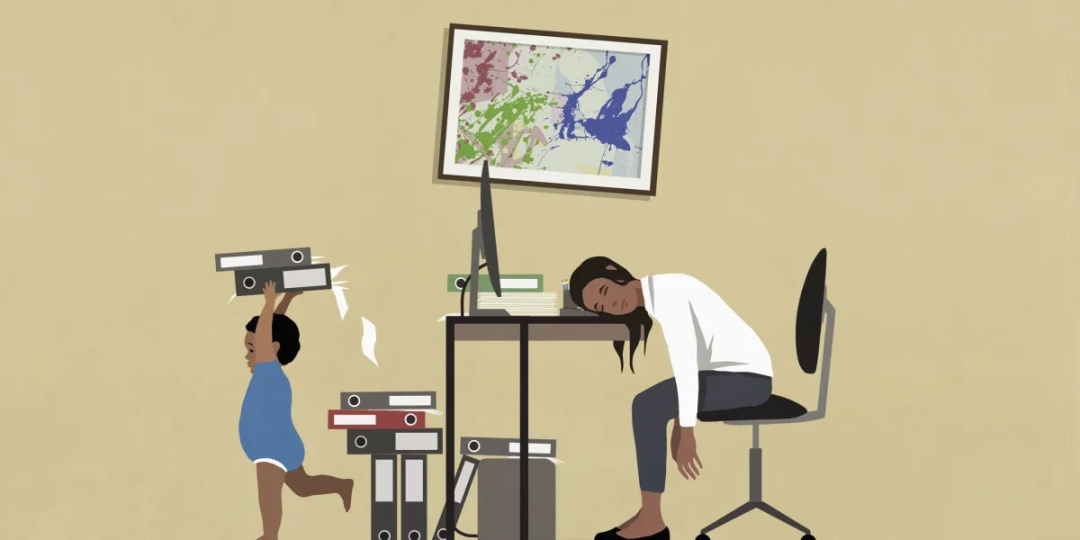
A groundbreaking study has revealed that women's investment in education and careers is intricately tied to men's ability to convincingly portray themselves as 'dads' rather than 'duds.' In a world where every man must present an impeccable profile of reliability to compete in the parenting market, the stakes have never been higher. Dads are no longer just a childhood figure; they are the new must-have accessory for the modern woman's life plan.
As women navigate their careers with increasing agency, the focus on men as dependable partners has shifted dramatically. The so-called 'dad appeal' is rapidly becoming a crucial metric for partnership evaluations—after all, why invest in a relationship with a 'dud' who might not deliver on the promise of shared diaper duty? The rising demand for dependable partners is reshaping not only the dating landscape but also the economic viability of motherhood.
Objects of Questionable Importance
Must Have Sponsors.
The findings suggest that the more men can signal their commitment to parenting, the more likely women are to prioritize family over career. This new paradigm not only places pressure on men to cultivate the perfect dad persona but also demands that they undergo rigorous training in emotional responsiveness and domestic skills to avoid being labeled as a 'dud.' Workshops on diaper changing and emotional labor are now not just encouraged but expected, with certifications available to ensure that all prospective dads meet the high standards set by modern motherhood.
In a stunning twist, this trend also leads to a recalibration of beauty standards as women are now expected to choose partners based on their parenting potential rather than traditional masculine traits. Forget the six-pack abs; today’s dating profiles are showcasing dad bods alongside successful parenting hacks, ensuring that potential partners come equipped with the right skills to meet the demands of responsible fatherhood. As women look for partners who can not only support their careers but also share the burden of childcare, the pressure on men continues to escalate.
The New Metrics for Fatherhood
The new metrics for determining a suitable dad go beyond the superficial. Emotional intelligence scores, parenting certifications, and even social media engagement in parenting threads are now part of the prescriptive checklist women are encouraged to use when evaluating partners. The world now demands that men not only step up but also upgrade their personas to meet evolving expectations.
To further complicate matters, the economic implications are significant. As women's incomes rise and more women choose to delay childbirth until they find the 'perfect dad,' the birthrate is projected to shift. The desire for higher-quality 'dads' has led to a competitive market where men must continuously show their worth in domestic duties and emotional availability. Here, the stakes are quite high: a lack of compliance could lead to penalties in relationship satisfaction and potential breakup fees for men who fail to meet the expectations.
As society gears up for this new norm, the frustrating irony remains that while women are expected to navigate this complex landscape of relationship dynamics and economic choices, men are also feeling the heat as the demand for 'dads' rises to unprecedented levels. The ultimate question that looms is whether men can genuinely transform into the reliable partners women are seeking, or if they will continue to fall short, leaving women with only the option of pursuing their careers while waiting for the ideal dad to emerge from the shadows.
The Implications of Dads and Duds
In this climate of elevated expectations, the narrative is clear: women are now gatekeepers of their own reproductive futures, acting as investment analysts in the ever-evolving stock market of relationships. The final blow to this already intricate situation? As demands for emotional literacy and parenting readiness escalate, the inevitable outcome is that the line between aspiration and reality might become harder to navigate than ever before.
Future reports will likely explore the costs associated with 'dad' compliance, revealing whether the investment in the dad brand can ever truly match the escalating expectations of the women who require them to step up as equals in the demanding world of parenting and partnership.