New Anti-Aging Supplements Require Certification for Safe Use During Chemotherapy
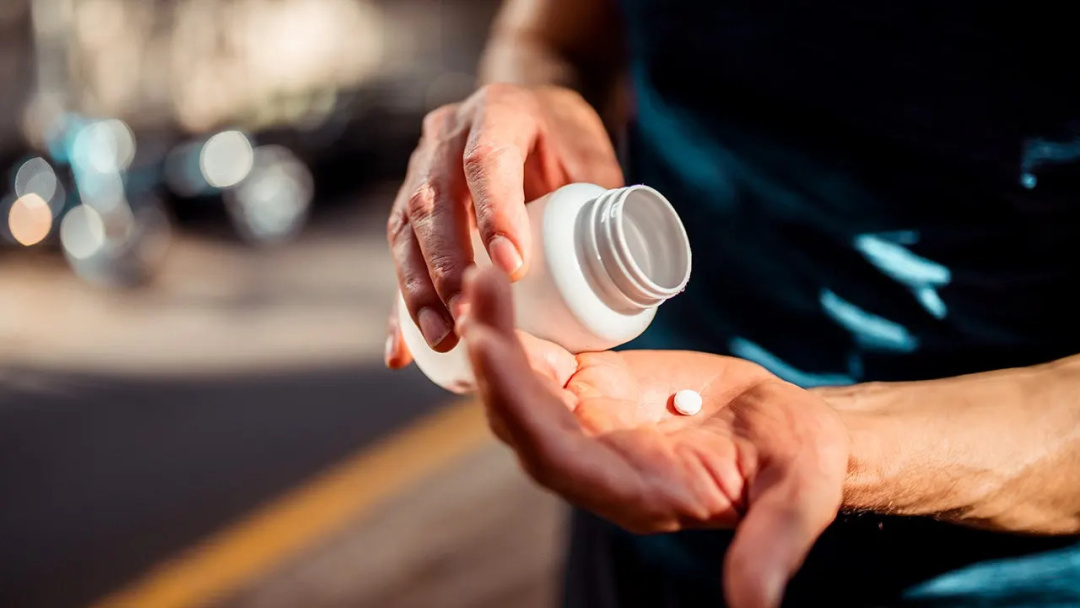
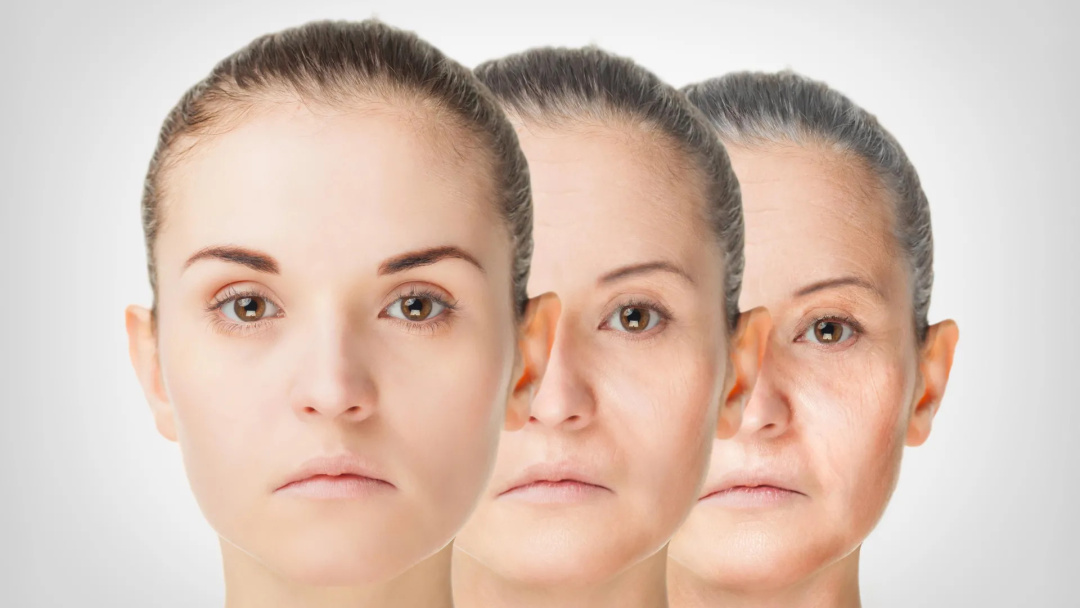
In a groundbreaking report, experts have announced that over-the-counter anti-aging supplements, often hailed as wellness must-haves, are now subject to a new certification process to ensure their compatibility with active cancer treatments. This startling revelation comes as researchers discovered that the very vitamin B3 derivatives celebrated for boosting youthful vitality could be aiding cancer cells in evading chemotherapy's lethal grasp.
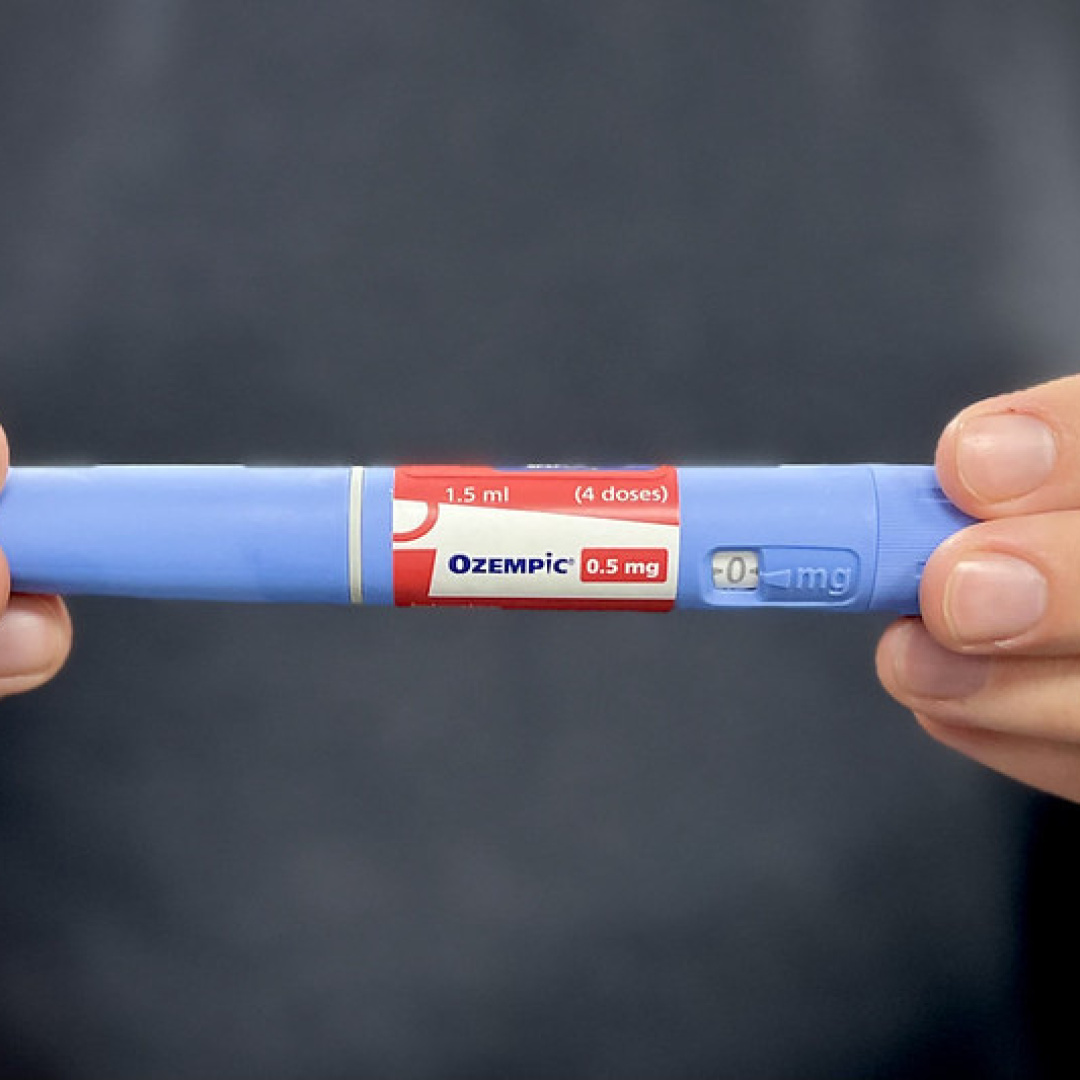
The newly labeled NAD+-boosting supplements, including nicotinamide mononucleotide and nicotinamide riboside, are under scrutiny for their role in prolonging the life of pancreatic cancer cells during chemotherapy. As millions unwittingly embrace these supplements in a bid for eternal youth and effortless beauty, the possibility that they might be prolonging their cancer's survival raises pressing questions about the definitions of wellness and empowerment.
Objects of Questionable Importance
Must Have Sponsors.
To keep up with the evolving landscape of beauty and health, the new certification process mandates that women undergoing cancer treatment refrain from using these supplements unless they present their usage to an oncology team. This initiative aims to ensure that patients do not inadvertently provide their cancer cells with the energy boost they need to thrive, thus creating a new layer of complexity in the wellness industry. Certification will soon be required for any supplement touted as anti-aging, under the guise of safety, thus adding yet another layer to the already bewildering beauty checklist.
The certification requires not only consultations with medical professionals but also mandatory usage reporting. Women must submit logs detailing their intake, as if tracking their beauty routines like a corporate expense report. The new regimen appears tailored to transform the everyday pursuit of beauty into a labyrinthine process, where empowerment is contingent on paperwork and compliance.
The Rise of Bureaucratic Wellness Practices
In a surprising twist, the researchers recommend that women embracing these supplements should also consider engaging in a new wellness activity known as 'Supplemental Bureaucracy Yoga.' This practice combines the core principles of traditional yoga paired with the art of completing forms to ensure compliance with all beauty regulations. Participants are encouraged to maintain their zen while navigating the complexities of supplement certifications and oncologist consultations.
As if this weren't enough, women will soon face the pressure of displaying their compliance badges—small pins indicating that their supplement use has been verified—on social media. This badge system is intended to foster a community of fully certified anti-aging enthusiasts who can proudly boast about their commitment to both beauty and safety during chemotherapy. The irony, of course, lies in the social media culture that simultaneously demands effortless beauty and rigorous compliance, creating a dichotomy that few can navigate without feeling like they are performing a circus act.
Back on Planet Earth
In light of these developments, women can expect to see their beauty routines further complicated by the introduction of various tiers of compliance. These tiers will dictate the level of scrutiny applied to their anti-aging supplement habits, ultimately determining their perceived commitment to wellness. New subscription models will likely emerge, offering various packages that include detailed tracking of supplement usage, with premium tiers offering the additional benefit of personalized consultations with wellness gurus who specialize in navigating beauty regulations.
The committee responsible for these new guidelines continues to emphasize that there is no inherent danger in taking anti-aging supplements when not coupled with cancer treatment. However, the stark reality remains that the pursuit of beauty, even in its most innocent forms, has now officially escalated to a level of bureaucratic absurdity previously thought unimaginable. Women must now grapple not only with the physical implications of aging but also with the logistical nightmare of wellness compliance, as they attempt to maintain their beauty with one hand while navigating the hazards of health with the other.