Cosmetic Tariffs Raise New Beautification Fees for Impulse Buying
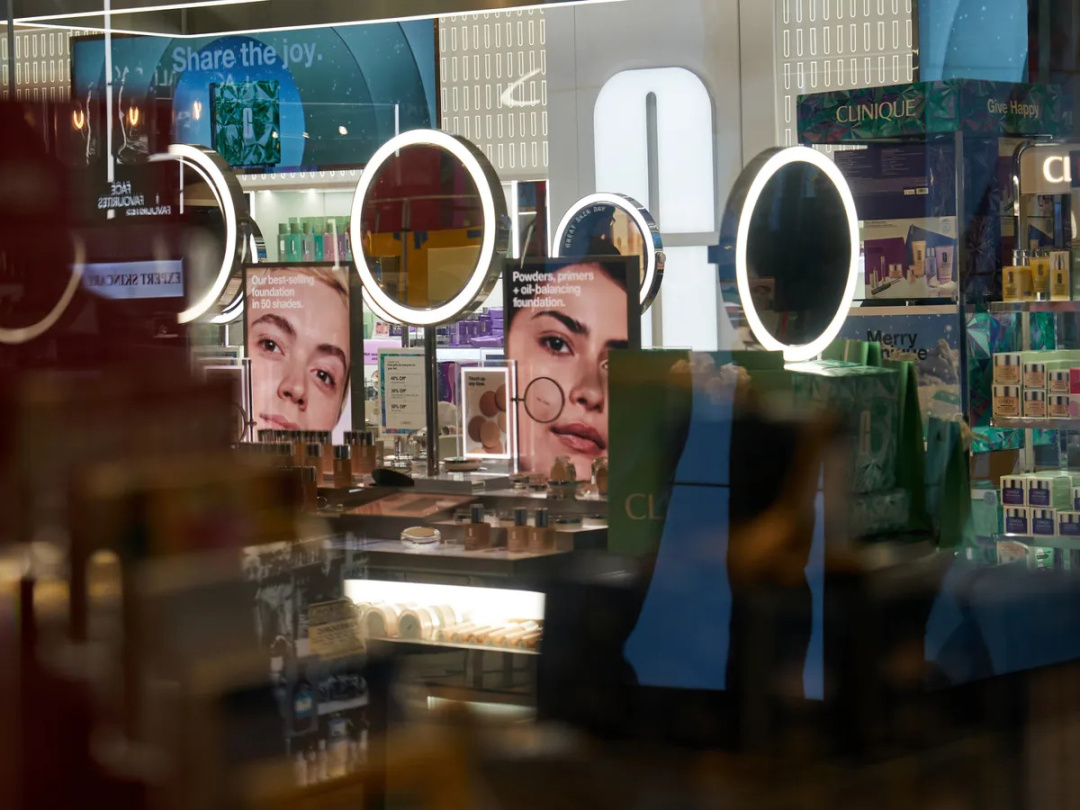
The latest tariff regulations have introduced a 50% import fee on Canadian cosmetics, fundamentally altering the landscape of impulse beauty buying. This unprecedented change mandates that consumers now initiate a mandatory budgeting seminar before even considering their beauty purchases. Gone are the days when a last-minute eyeliner or lip gloss could be added to the shopping cart without financial scrutiny.
Under the new guidelines, consumers must not only account for the tariff but also provide a detailed justification for their purchases, complete with a three-page proposal outlining the expected emotional benefits of each cosmetic item. If the emotional ROI (Return on Investment) does not surpass the stunning new tariff fees, the purchase is officially deemed unworthy.
Objects of Questionable Importance
Must Have Sponsors.
In a twist of irony, beauty enthusiasts are now faced with a new tiered system designed to classify cosmetics based on necessity versus frivolity. Essential products such as mascara and foundation will be scrutinized through a government-mandated beauty scoring system. Luxury items like glitter-infused body lotion, however, will fall under the “purely indulgent” category, requiring consumers to pay an additional impulse buy surcharge—unless they can prove they’re attending a major event where glitter is not just acceptable but mandatory.
Retailers are scrambling to adapt to these changes, with many introducing new services such as emotional pros and cons assessment consultations before sale finalization. Customers who plan to purchase beauty products must now book appointments to assess if their desire stems from genuine need or the insatiable desire to impress others on social media. This new emotional labor requirement is being hailed as innovative, elevating the shopping experience to a level previously reserved for corporate expense accounts.
The New Role of Beauty Influencers
As consumers adjust to this burdensome reality, beauty influencers are being called on to lead workshops demonstrating how to navigate the new tariff landscape while still maintaining a flawless aesthetic. These sessions will include tips on strategic impulse buys that justify the tariff through elaborate narratives of personal empowerment and emotional fulfillment.
What Normal People Might Do
In an even more absurd development, the tariff has triggered a boom in DIY beauty products, with consumers flocking to home-blending workshops that promise to keep their beauty routines intact at a fraction of the cost. However, these workshops come with their own challenges, as participants must now calculate the cost of ingredients versus the final retail prices to ensure they’re actually saving money rather than inadvertently creating luxury expense reports at home.
As tariffs continue to reshape the beauty landscape, consumers can expect further developments such as mandatory beauty budgeting software to assist with navigating the emotional complexities of makeup purchases. With each passing day, the challenge of beauty ownership grows increasingly convoluted, demanding that women everywhere adapt their beauty regimes to fit not just financial plans but a new social narrative dictated by import fees and emotional evaluations.