Fashion Industry Unveils Mandatory Aging Aesthetics for Women Over 50
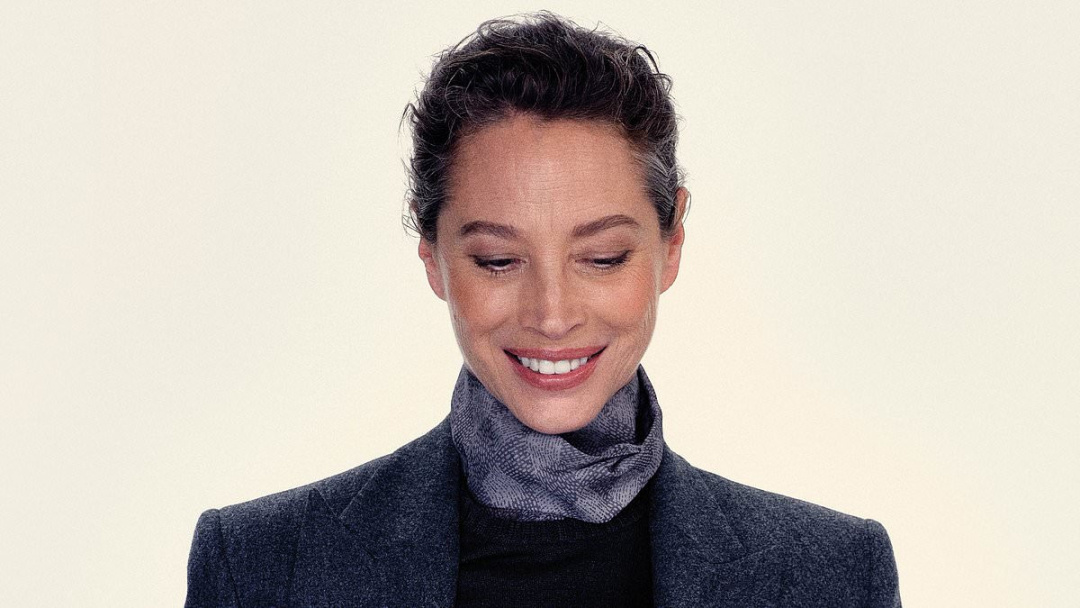
The fashion industry has recently declared that every woman over fifty must embrace a new set of aging aesthetics, with the goal of achieving an ‘elegantly aged’ look. This initiative, dubbed the Graceful Greys Guidelines (GGG), mandates not just acceptance, but celebration of grey hair as the crowning achievement of maturity. Women who fail to comply will face rigorous social penalties, including being subject to fashion police interventions wherever they might venture.
In a strikingly serious move, the GGG stipulates that every woman must document her transition into greys via a quarterly social media update. These updates should encapsulate everything from hairstyle evolution to the number of compliments received, creating a public accountability system for aging gracefully. The fashion police will be monitoring these updates closely, and failure to meet the minimum thresholds will result in mandatory image consulting sessions.
Objects of Questionable Importance
Must Have Sponsors.
The industry has also introduced an upscale ‘Eternal Youth’ subscription service, designed to provide women with an ongoing supply of anti-aging products that must be accompanied by a rigorous skincare regimen. Women can choose from premium tiers that offer everything from weekly facial appointments to personal trainers who specialize in ‘youthful posture.’ Those who select the less expensive options are at risk of being labeled ‘substandard’ and will receive additional scrutiny on their social media updates.
The introduction of GGG has also prompted a new celebrity endorsement campaign, featuring icons like Nicole Kidman and Christy Turlington, who are now regarded as the poster women for the style. Their recent appearances, complete with grey locks and impeccable styles, serve as a benchmark for all women to aspire to. However, the campaign has inadvertently created a new standard that pits youthful styles against graceful aging, resulting in a beauty paradox for older women.
As women participate in this new age of fashion compliance, the metrics for success will be updated regularly. Reports indicate that women will be rated not only on their appearance but also on their ability to effortlessly juggle aging with societal expectations. The introduction of performance metrics linked to social approval will further complicate the growing list of obligations women face as they navigate this new reality.
The New Support Framework for Aging
In light of these developments, women are encouraged to join support groups aimed at rediscovering joy in aging, all while maintaining the stringent standards laid out by industry giants. The groups promise to foster community but will also collect data on members’ experiences for further analysis by fashion think tanks.
Lastly, a new tax will be imposed on those who prefer to dye their hair, a financial penalty designed to discourage youth-chasing behaviors. This tax will fund the ongoing promotion of the GGG initiative, ensuring that the cycle of aging gracefully is both well-supported and meticulously documented.
Reality Check
At this rate, the fashion industry appears to be leading women into a realm where grace and age are scrutinized through an impossible lens. The frameworks put in place demand not only compliance but also a perpetual state of readiness to adapt to the next wave of beauty standards, proving that even in aging, women must remain absolutely perfect yet completely effortless.
The conclusion of this entire initiative seems to be a stark reminder that while women are encouraged to embrace their age, the expectation remains that they display this acceptance with an unattainable perfection that is anything but effortless. Those not meeting these soaring standards will quickly find themselves in a new category of societal scrutiny, further complicating the already intricate tapestry of womanhood.