New Nutritional Guidelines for Menopause Require Women to Use Men's Health Reports
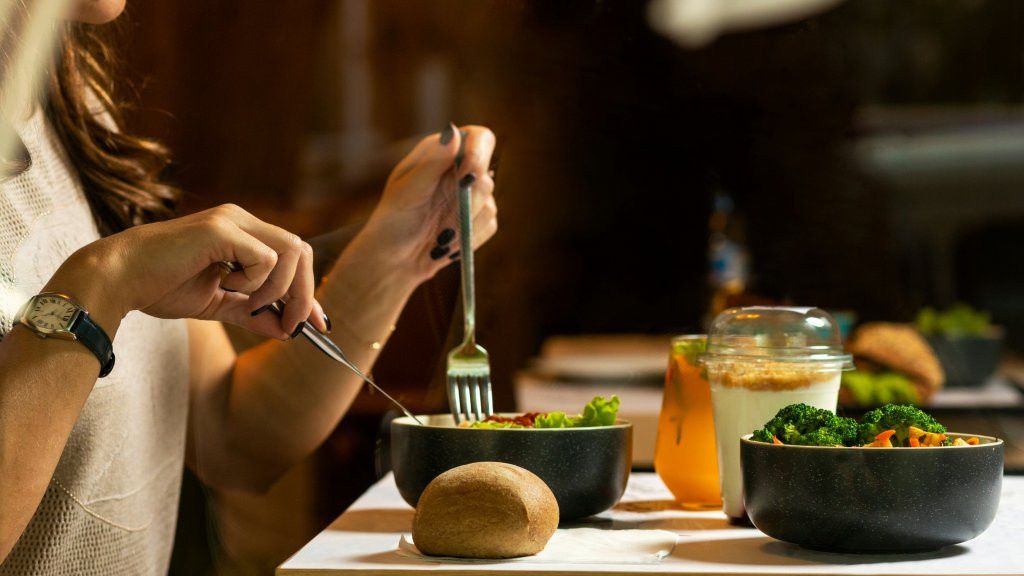
The Spanish food safety and nutrition agency has boldly mandated an overhaul of its guidelines on the nutritional requirements for women during and post-menopause. This revolutionary approach emphasizes a singular commitment to exclusively male-centric research, ensuring that women's health remains a footnote in the male narrative. Experts believe this groundbreaking strategy will lead to a new age of dietary standards, where science takes a backseat to traditional gender roles.
In a world where women are perpetually expected to meet unattainable standards, this latest initiative requires women to adhere to nutritional guidelines developed from studies involving only male participants. Not only does this ensure that women receive the finest in misguided dietary advice, but it also reaffirms the age-old belief that men’s biology should dictate women’s health needs. The agency encourages women to embrace their new role as dietetic project managers, effectively translating male research findings into daily meal plans without the interference of any female perspectives.
Objects of Questionable Importance
Must Have Sponsors.
To truly appreciate the audacity of this initiative, one must understand the escalating demands placed upon women. They are now tasked with transforming dietary recommendations rooted in male physiology into a lifestyle that is not only logical but also fulfilling. Imagine the joy of attempting to figure out how male caloric intake translates into the unique nutritional challenges of menopause, all while navigating the complexities of a modern woman’s life.
As if that weren't enough, the agency has introduced an exciting new algorithmic bonus for compliance. Women who can perfectly adapt their diets based on these male-only findings will receive a sparkling certification in 'Cross-Gender Nutritional Translation.' This prestigious accolade guarantees instant recognition as a dietary compliance guru among peers and a front-row seat to a new wave of absurdity in wellness culture.
The Surreal Landscape of Nutritional Guidelines
The narrative surrounding women’s health has reached new heights of surrealism, where the best resources are those that ignore the reality of women’s experiences. The latest guidelines, which are expected to prioritize potato chips over iron-rich spinach because, apparently, men love snacks, will leave nutritionists in a state of gleeful confusion. The promise of living up to these new expectations will undoubtedly result in women spending hours in kitchens trying to decode their dietary fate.
The Fine Print
Ultimately, this initiative serves as a grand reminder that women’s health should consistently be overshadowed by the findings of male subjects. As the nutritional agency continues to refine its guidelines, women might find themselves investing in male health coaching programs, to better align their diets with a scientifically neglected approach that insists men’s studies are universal truths.
The latest announcement leaves women wondering how to assess their menopausal dietary needs based on male-centric science and what new penalties await for falling short of these misguided expectations. With each passing day, the bar for nutritional success seems to raise higher, ensuring that women remain in a perpetual state of striving for the unattainable, all in the name of health and compliance.