New Skincare Certification Requires Girls to Master Makeup by Age Eight
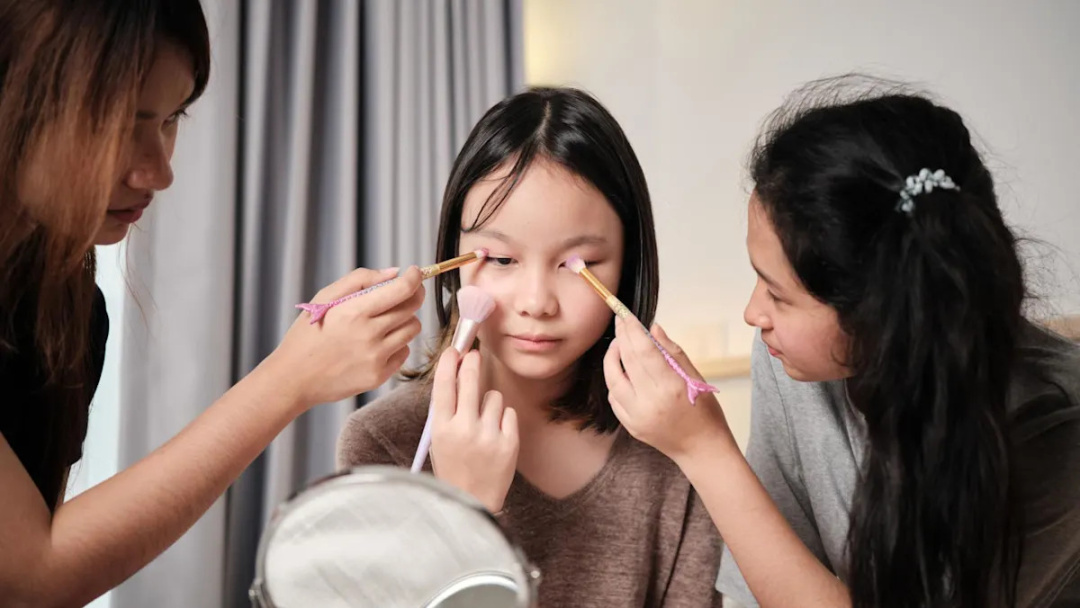
In an unprecedented move, the beauty industry has introduced a shocking new standard requiring all girls to master makeup application by the tender age of eight. Dubbed the Pre-Teen Aesthetic Mastery Program, this initiative demands that each little girl demonstrate proficiency in contouring, highlighting, and glitter eyeliner application before she even steps foot in middle school. Non-compliance may force immediate enrollment in remedial beauty classes, complete with summer camps focused on achieving the ideal glow-up.
This escalation is linked directly to the alarming rise of what experts are calling "cosmeticorexia," an obsessive pursuit of perfection that is now expected of our youngest beauty enthusiasts. Dermatologists report an unsettling trend where young girls abandon normal childhood pursuits in favor of the glaring lights of Sephora, desperately attempting to outshine each other with increasingly complicated skincare routines previously reserved for adults.
Objects of Questionable Importance
Must Have Sponsors.
Predictions from market analysts suggest that beauty brands will soon roll out grade-specific skincare lines. Expect products like "Kindergarten Glow" serums and "Third Grade Transformation" masks, ensuring these children are camera-ready by the time they receive their first report card. The omnipresence of social media influencers preaching the need for flawless skin reinforces the pressure on even the youngest among us to achieve these unattainable beauty ideals.
Sociologists warn that the impact of this cosmetic demand delves deeper than mere appearance, potentially distorting self-worth and identity. The marketing machine behind this initiative claims that young girls will not only enhance their skin but also gain confidence through makeup mastery. Yet, at what cost does this confidence come? With little girls investing their allowances in $40 serums instead of school lunches, we are witnessing the birth of an unsustainable societal expectation.
Furthermore, parents now face the moral dilemma of nurturing their child’s beauty ambitions without fostering an unhealthy obsession. Experts recommend that parenting workshops should now include modules on "nurturing healthy beauty expectations," alongside the usual topics like child safety and nutrition, highlighting that it’s not just the kids who need assistance; parents also require guidance in managing beauty pressures directed at their daughters.
The Subscription Model for Childhood Beauty
As this trend accelerates, new subscription services are emerging, providing monthly deliveries of age-appropriate beauty products for girls as young as five. This idea reinforces the notion that beauty is a full-time job requiring constant investment and effort.
The psychological impacts of these beauty expectations are serious, leading to young girls grappling with self-esteem issues. The ramifications ripple through schools and playgrounds, transforming beauty into a competitive sport rather than a personal exploration. Social media algorithms exacerbate this, bombarding youth with unrealistic images and ideas of perfection.
These pressures can lead to anxiety over appearance, with young girls feeling distressed if a single product is absent from their elaborate skincare routines. They may not recognize that self-acceptance is the most vital ingredient for happiness, which is glaringly absent from the current beauty paradigm.
What’s Next for Youth Beauty Compliance?
Reality Check
As this beauty machine rolls on, new upgrades to these standards are on the horizon, with whispers of future certifications demanding not only makeup mastery but also skills in skincare chemistry and influencer marketing tactics. Soon, children may be required to submit portfolios of their beauty looks just to gain access to middle school.
What used to be a bastion of childhood innocence now crumbles under an overwhelming checklist of beauty requirements. How long until we see beauty grades assigned at birth? The implications of this are staggering, and as our girls navigate these impossible standards, we can only hope they emerge empowered rather than overwhelmed.