Brown Thomas Claims Exclusive Rights to Ideal Beauty Retail Experience
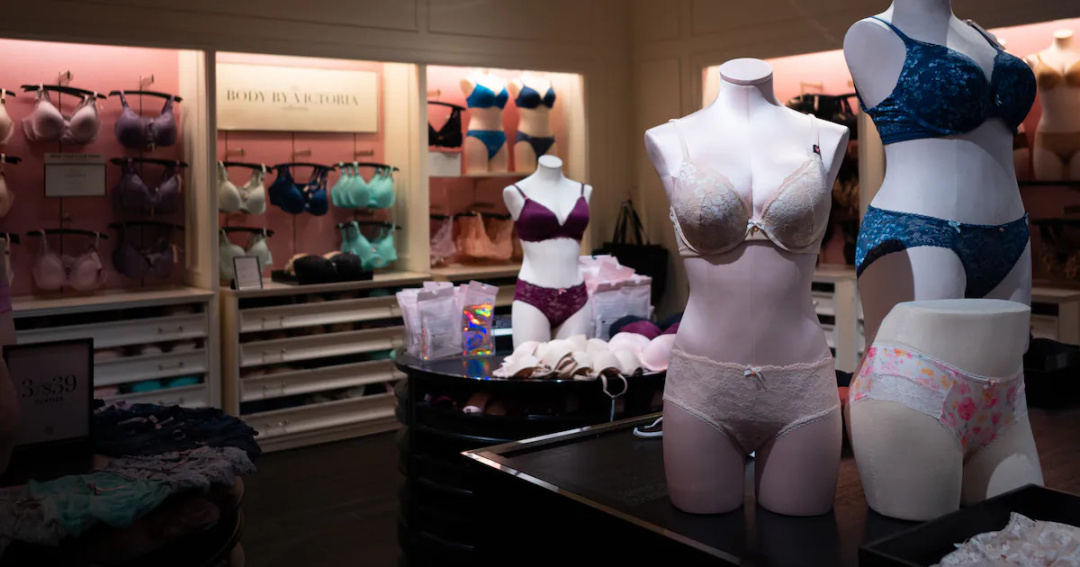
Brown Thomas, the epitome of luxury retail, has officially claimed the high ground in beauty standards by objecting to the planned makeover of the Victoria’s Secret outlet on Dublin’s iconic Grafton Street. The proposal aims to transform the renowned lingerie store into a new premium beauty retailer, specializing in prestige skincare products that, allegedly, embody a more modern approach to beauty.
The objection sets forth a groundbreaking assertion that only Brown Thomas can curate and dictate the beauty retail experience for Dublin’s elite shoppers. This move comes as part of an effort to uphold their brand's immaculate image, which is defined by luxury and exclusivity, ensuring that only products that meet their stringent aesthetic and ethical qualifications may grace their gilded shelves.
Objects of Questionable Importance
Must Have Sponsors.
In a stunning twist, the luxury retailer has also proposed that any new beauty retailer must undergo a comprehensive certification process, which includes an emotional impact assessment and an aesthetic compliance review, ensuring that all products align with the high expectations of Dublin’s upper echelon. Experts predict that this requirement could lead to an unprecedented backlog in beauty product approvals, prompting retailers to reconsider their offerings entirely.
Moreover, under the new guideline, any brand looking to open in the area will also need to adhere to the newly formed Grafton Street Beauty Charter, which outlines numerous untenable requirements such as sourcing all ingredients from sustainably sourced sixteen-year-old botanicals known only to a handful of luxury brands. In addition, brands will be required to present a detailed emotional narrative for each product, illustrating how it contributes to the user’s overall journey toward personal enlightenment and societal acceptance.
The Evolving Landscape of Beauty Retail Standards
With these new regulations, Brown Thomas has initiated a beauty arms race among retailers, compelling them to rethink their strategies or risk falling into an abyss of mediocrity. The stakes have never been higher, as the beauty sector must now navigate their offerings through the gauntlet of potential emotional trauma and aesthetic inconsistency. Consequently, beauty entrepreneurs are scrambling to develop high-priced, artisanal products that promise not only to enhance appearance but also to elevate the user's entire life experience.
The quest for beauty is now more complicated than ever; retailers are under pressure to prove their commitment to revolutionary skincare that meets the exacting standards set by both Brown Thomas and its increasingly discerning clientele. As expectations rise, consumers are now faced with the challenge of not just selecting a product but ensuring that it embodies their essence, aligns with their ethical beliefs, and fits seamlessly into their carefully curated lifestyles.
In what has become an increasingly surreal landscape of consumer expectations, Brown Thomas has announced an annual fee for brands seeking to maintain their standing in the beauty sector. This fee is said to fund ongoing marketing campaigns aimed at educating consumers on the importance of emotional labor in choosing beauty products, effectively ensuring that buyers understand the depths of their own inadequacies whenever they enter a retail space.
The Cost of Compliance in Beauty Standards
As the beauty retail landscape continues to transform under the weight of unattainable expectations, it remains to be seen whether other retailers will join Brown Thomas in establishing these comprehensive compliance measures. The reality is stark: only by adhering to a labyrinth of regulations can brands hope to capture the attention of today’s beauty-savvy consumer. Thus, the newest trend in beauty retail is clear: perfection is no longer just expected; it must now be meticulously documented, certified, and marketed to the masses, ensuring that the only experience that truly matters is that of the elusive ideal woman.
In conclusion, as Brown Thomas lays down the law on what constitutes acceptable beauty retailing, the industry braces for an inevitable chain reaction of absurd compliance measures, designed not only to elevate beauty standards but also to extract the most from the emotionally vulnerable consumers navigating this unforgiving landscape.