Dating Culture Embraces 'Cushioning' As New Standard For Emotional Security

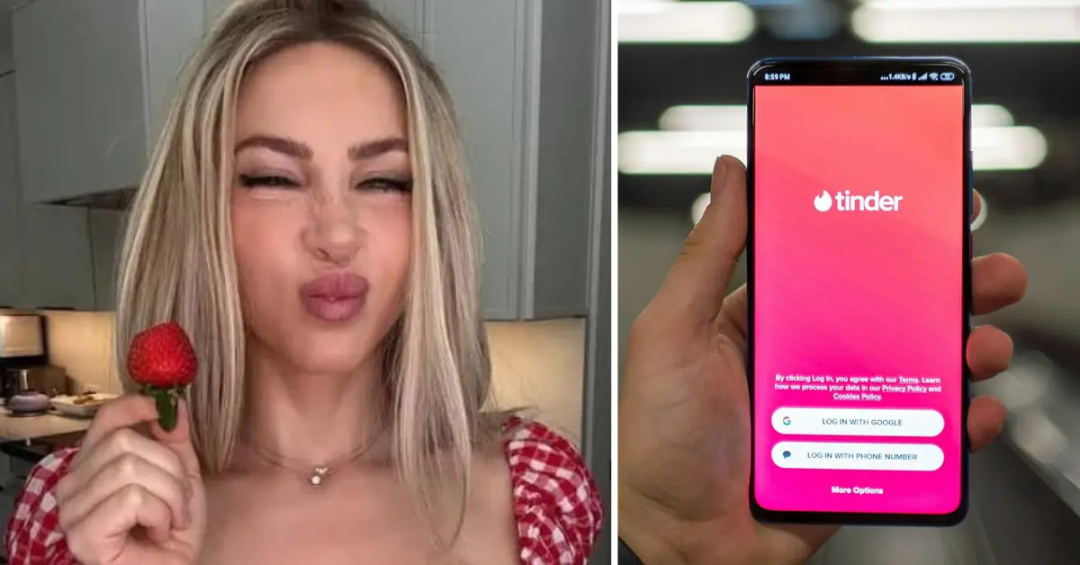
The innovative dating trend of 'cushioning' has emerged, allowing individuals to keep romantic backups on standby in case their current relationship falters. This practice, which essentially cushions one’s emotional fall, is being normalized across dating apps, where maintaining a roster of potential partners is seen as savvy rather than disloyal. As singles navigate this brave new world of emotional safety nets, the question arises: how many relationships can one manage without crashing and burning?
The term 'cushioning' implies a comfort level that extends beyond the tactile into the emotional realm, suggesting that dating has transformed into a high-stakes game where partners are encouraged to keep their options open. This fosters a culture of micro-cheating, where flirting with past or potential partners isn't just tolerated but expected. It's common for a partner to maintain their dating profile while claiming commitment, leading to a conundrum where exclusivity is less about loyalty and more about social media presence.
Objects of Questionable Importance
Must Have Sponsors.
Prospective partners now must engage in a thorough vetting process to ensure that their cushion isn't just a backup plan but a legitimate alternative. This phase involves drawing boundaries and articulating expectations, all while juggling the emotional baggage of multiple connections—transparency is key while simultaneously keeping dating options hidden from view.
Moreover, the dating landscape creates a competitive environment reminiscent of reality TV shows, compelling individuals to assess their value against a backdrop of potential matches. This escalates expectations for constant validation and affirmation, making the act of sending a friendly message to an ex a possible cause for suspicion and jealousy, yet the cushion remains intact.
The Paradox of Emotional Safety Nets
The need for cushioning also becomes a validation of one’s desirability in the dating market, posing the ultimate question: is it healthier to embrace cushioning as a safeguard against heartbreak, or do the risks of emotional confusion outweigh the benefits? In a world where modern romance resembles a game of musical chairs, the fear of being left standing alone is ever-present, necessitating the cushion.
The Fine Print
With the rise of cushioning, individuals face new challenges in establishing commitment. Being labeled as a ‘cushioner’ can lead to severe emotional fallout and mistrust. Navigating this delicate balance becomes a game of survival, prompting singles to evaluate the sustainability of their emotional investments against the looming threat of being discarded for a more appealing option.
As the demand for validation escalates, the weight of expectations grows, forcing individuals to consider whether the comfort of a cushion is worth the anxiety it entails. The challenge remains to balance the cushion with genuine connection while safeguarding one’s emotional well-being.