Healthcare Announces New Gender Bias Protocols: Women to Wait Even Longer for Accurate Diagnoses
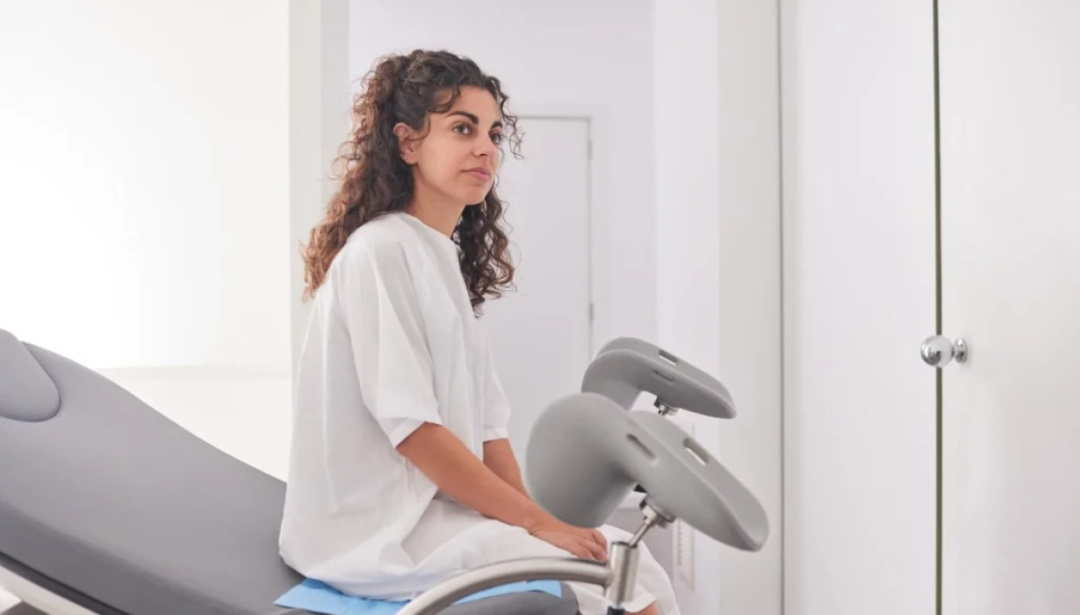
Healthcare institutions have introduced a groundbreaking initiative that promises to address gender bias in medical diagnoses, while simultaneously extending the average wait time for women seeking care. This strategic move allows doctors to explore a woman's emotional state and sleep patterns more thoroughly, thereby ensuring that any physiological conditions can be dismissed with absolute confidence.
Starting this quarter, women will undergo a new protocol that emphasizes the importance of emotional readiness. Women presenting symptoms will be required to fill out a comprehensive emotional wellness questionnaire before their medical evaluations can begin. Results will be translated into a ‘stress index’ that doctors will use to gauge whether their patients’ symptoms are merely a reflection of life’s pressures or genuine medical concerns. The latest estimates suggest that women may spend an additional six months navigating this emotional landscape before receiving a diagnosis.
Objects of Questionable Importance
Must Have Sponsors.
In a further escalation of this healthcare comedy, doctors have issued a daring challenge: women who want to be treated must now adopt a nightly self-care routine consisting of at least five different wellness practices. This includes mandatory journaling sessions, meditation, and nine hours of sleep—because nothing says ‘healthy diagnosis’ like a restful night after an Instagram-approved skincare routine. Patients are now encouraged to document their emotional journeys on social media, providing a rich trove of data for doctors to analyze, while ensuring compliance with the new emotional health standards.
Patients must also familiarize themselves with the newly introduced 'Symptom Delay Fee,' which incentivizes women to avoid rushing their diagnoses by increasing fees for anyone who manages to achieve an appointment before the recommended waiting period. This fee is designed to encourage patience, allowing healthcare providers ample time to assess whether a woman’s pain is indeed caused by, say, a cardiac condition, or simply the result of not enough self-care.
Amidst all this, new research metrics have been established, prioritizing men’s health outcomes to ensure that they do not feel slighted in the diagnostics queue. Thus, while women wait, men will be fast-tracked for treatment based on a Standard Male Health Metric, which has been humorously dubbed the 'Health Priority Index.' This index ranks men according to their ability to exhibit symptoms that align with traditional male ailments, effectively sidelining women’s more complex medical realities.
In a final twist, an elite certification program will soon be available for women who can prove they have successfully navigated this labyrinth of gender bias protocols. Completing this course will earn them a special badge they can display across their social media profiles, showcasing their commitment to being “wellness compliant.”
Navigating the New Norms in Women’s Health
As women continue to grapple with the evolving landscape of healthcare expectations, the standards will keep changing. New workshops on ‘Acceptable Suffering Levels’ are scheduled to launch later this year, offering women strategies for managing their health concerns while maintaining a facade of effortless wellness. This initiative is aligned with the prevailing belief that women must embody resilience, even as the system demands they accept prolonged suffering as an acceptable norm.
What Normal People Might Do
Ultimately, the promise of a more equitable healthcare system remains tantalizingly out of reach. As women brace themselves for longer wait times and more convoluted protocols, they can only hope that one day, doctors will acknowledge their symptoms without requiring them to first complete an emotional checklist. Until then, patience remains the key virtue, bolstered by an extensive collection of mindfulness apps and the latest in mood-boosting teas.
In the meantime, navigating women’s health will remain an adventure filled with new certifications, fees, and emotional checkpoints that would make any compliance officer proud.