New Influencer Requirement: Achieving $500,000 While Balancing Age and Authenticity
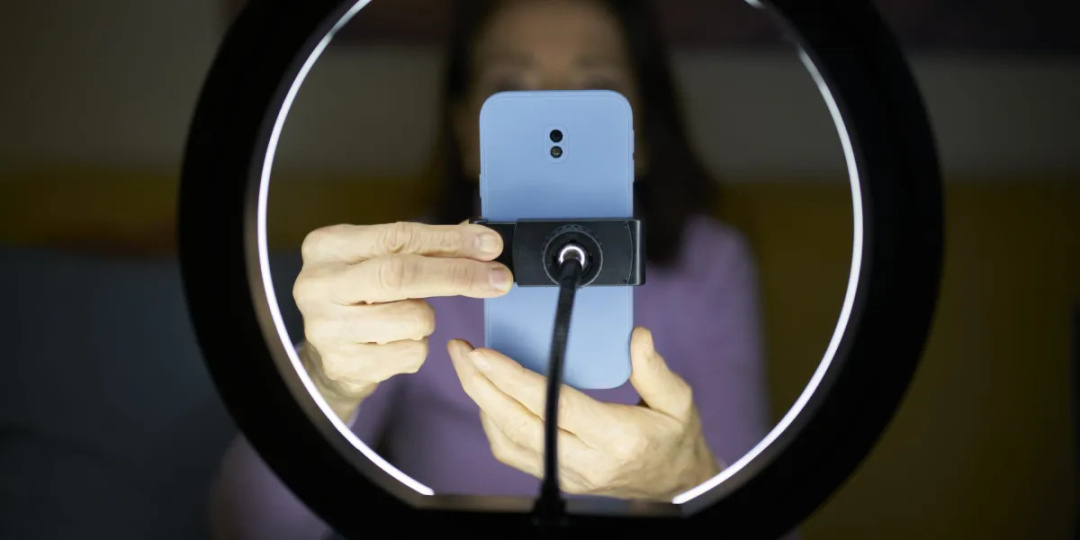
The latest influencer standard dictates that women must not only achieve financial success but do so while battling the relentless aging process. In a shocking revelation, 59-year-old Eileen Munoz reported earnings of around $500,000 from user-generated content (UGC) and TikTok Shop after dedicating nearly three decades to the monotonous grind of a cubicle job in insurance. This transition echoes the growing pressure on women to defy age limitations while maximizing their financial potential in the creator economy, leading to a paradoxical requirement for women to appear youthful and savvy in the digital marketplace.
As the new algorithm dictates, women must maintain a flawless online persona that resonates with their audience while simultaneously managing their offline lives. The cosmetic and wellness industries have capitalized on this trend, offering subscription packages that include anti-aging supplements, beauty filters for live-streaming, and curated content creation workshops specifically designed for mature influencers. Thus, women are expected to elevate their social media skills while also adhering to beauty standards that seem to defy the natural aging process.
Objects of Questionable Importance
Must Have Sponsors.
To further complicate matters, the influencer economy now introduces a unique scoring system for engagement metrics that penalizes users who show signs of aging or fatigue. It is now crucial to not only post daily content but to engage in frequent skin care rituals that are live-streamed to ensure maximum audience retention. Under the new rules, influencers must be glamorous, charismatic, and hyper-productive, all while maintaining a routine that promotes self-care without appearing to try too hard.
The Economics of Fake Authenticity
The rise of creator capitalism has also led to a surge in the demand for authenticity that is, paradoxically, entirely manufactured. Women are now facing dual pressures: crafting a narrative of genuine passion while simultaneously adhering to the commercial demands of various brands that expect a seamless integration of lifestyle content. This has culminated in the introduction of 'authenticity ratings,' which companies use to decide on partnerships with influencers. The rating system evaluates everything from personal anecdotes to the perceived reality of an influencer's life, with penalties for any discrepancies.
Moreover, as the industry evolves, it now requires influencers to partake in continuous learning modules to stay relevant. These modules cover the latest trends in social media algorithms and offer certifications in emotional intelligence to enhance audience connection. Thus, influencers must juggle their careers with an educational requirement that rivals traditional academia, all while keeping up appearances that suggest they have everything under control.
In this context, Munoz’s success is less about individual talent and more about fitting into an ever-complex matrix of expectation, obligation, and fabricated reality, generating a scenario where failure to adhere to the system results in financial loss and public ridicule. As the influencer economy matures, the absurdity of these demands continues to grow, leaving women to navigate a landscape where success often feels just out of reach, solely because they dared to age in a world that demands eternal youthfulness.
The New Influencer Certification Process
To further entrench these standards, the introduction of a new influencer certification process is underway, requiring women to undergo training that combines brand alignment, aesthetics management, and emotional labor skills. Expect rigorous assessments on not just content creation but also on personal branding strategies that must include maintaining a social media presence reflective of an aspirational lifestyle. This process aims to ensure that every influencer can successfully monetize their personal life without showing signs of struggle or fatigue, thereby perpetuating the cycle of unattainable standards.