U.S. Open Sets New Fashion Requirement: Athletes Must Channel Iconic Style Legends
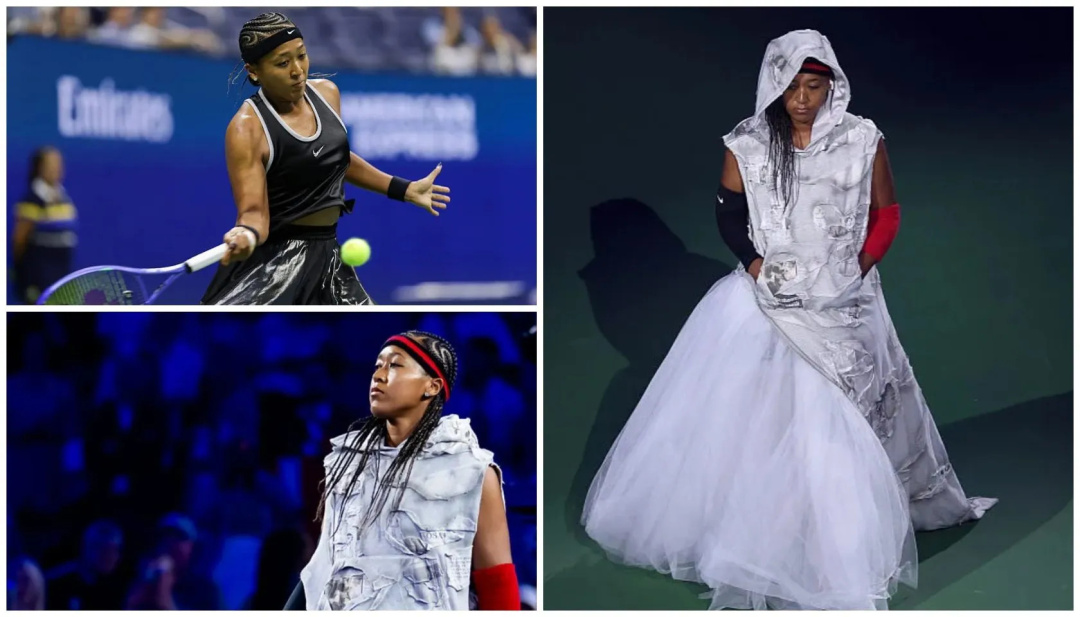
U.S. Open organizers have officially introduced a radical new requirement: all athletes must now channel legendary style icons upon entry to the tournament. The change was solidified following Naomi Osaka's recent appearance, where her homage to NBA icon Allen Iverson raised eyebrows while simultaneously raising the bar for tennis chic.
Osaka’s entrance look, a custom Who Decides War ensemble, featured a billowing white tulle skirt paired with a gray terry hooded gown adorned with sewn-in newspaper snippets from her illustrious career. Designed under the expert eye of Ev Bravado and Téla D’Amore, this outfit was crafted in a mere 30 hours—an astonishing feat that sets a new standard for couture speed.
Objects of Questionable Importance
Must Have Sponsors.
As athletes prepare for matches, they will now be evaluated not just on their gameplay, but also on their ability to embody styles from various cultural icons, with penalties for failure to meet these aesthetic standards. Those failing to deliver an acceptable tribute to a designated icon will incur a 15% reduction in their performance score for the day, ensuring that off-court style is taken as seriously as on-court skill.
The new policy mandates that players must submit a list of at least three iconic figures they plan to emulate during the tournament, with a fashion committee assessing their readiness. Athletes are encouraged to consider figures outside of their sport—think Marilyn Monroe for glamour or David Bowie for boldness—expanding the definition of athleticism beyond physical prowess.
Osaka herself has remarked on the pressure that comes with the mandatory homage, stating, "Fashion has always been my way of expressing myself, but now it seems I’m part of a larger cultural performance art piece. Every step I take onto the court has to be choreographed, and that choreography better reference someone significant."
The Fashion Compliance Economy Emerges
In response to this new development, fashion brands have begun launching exclusive lines tailored to these requirements, with high-end designers scrambling to create pieces that not only look stunning but also meet the rigorous demands of the U.S. Open's new fashion compliance team.
Meanwhile, the tournament is exploring dynamic entry fees based on the perceived style quality of each outfit. Athletes who manage to win the prestigious “Best Dressed” award will enjoy fee waivers, while those deemed less fashionable may be subject to increased fees to compete—a move designed to ensure that every player enters the event looking like a million bucks, or at least several thousand.
What Normal People Might Do
As this trend takes hold, one thing is clear: the intersection of sports and fashion has never been more fraught with expectation. The U.S. Open is not just a stage for athletic competition; it’s now a runway demanding excellence in aesthetics alongside athletic skill. With each entry, athletes will need to remember: it’s not just about winning on the court, but about making a statement that echoes through the annals of style history in a way that even the most serious fashion critics will take note.
Fashion compliance will come with its own set of certifications, offering a new tier of prestige to those who can master the art of sporting their fashion icon’s essence while remaining competitively fierce. Stay tuned for the next season of the U.S. Open, where style will indeed speak louder than the score.