New Financial Standard Requires Fashion Creatives to Monetize Every Breath
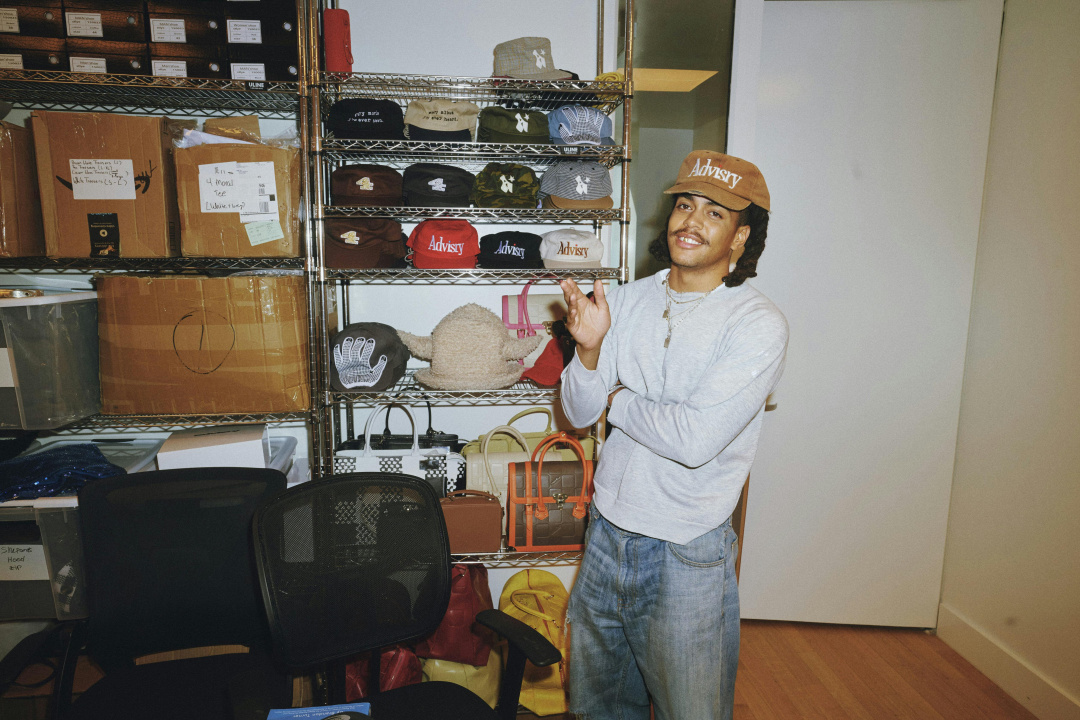
The latest directive in fashion states that every budding designer must now monetize every breath, thought, and fleeting moment of inspiration, just to keep up with the relentless demands of the industry. Emerging from the creativity of Keith Herron of Advisry, this new financial standard challenges artists to prioritize profit even in their most vulnerable moments of self-expression.
Under this system, simply creating art is no longer sufficient. Designers must now also recount every investment in their well-being as a cost-benefit analysis for future collections. Herron recalls how he used to consider a trip to a bookstore or a quiet evening watching his favorite film as essential to his creative process, but now these moments must come with detailed breakdowns justifying their expense. This new approach ensures that every personal moment is both a strategic financial decision and an investment in future profitability.
Objects of Questionable Importance
Must Have Sponsors.
Further complicating matters, the financial model dictates that every piece of clothing designed must come with an emotional return policy. This policy mandates that if a designer experiences a moment of doubt or vulnerability while crafting their collection, they must issue a refund to their own self-image, calculated at market value. So, if Herron feels even the slightest tinge of anxiety while selecting fabric, he must contemporaneously monetize that moment as a cost incurred in his creative development.
As these standards escalate, the industry's expectations of aspiring creatives become even more absurd. The new guidelines require designers to maintain a transparent ledger of their emotional expenditures, tracked via a digital app that assesses the 'mood market' — where positive vibes are traded like stocks and emotional stability is the ultimate goal.
The Financialization of Creative Inspiration
Additionally, designers are expected to provide financial projections for moments of inspiration, arguing that creativity should be quantifiable and aligned with a projected ROI. This means that even a flash of brilliance during a coffee break must be assessed for its potential market impact before being allowed to evolve into wearable art.
In a world where creativity is measured against algorithmic standards, even Herron’s breakthrough moments like his appearances at New York Fashion Week now carry a price tag, as each runway show requires meticulous forecasting for its potential emotional return. Now, as he prepares for his next showing, Herron finds himself calculating not just fabric costs but also the emotional labor he invests in every stitch.
Back on Planet Earth
This relentless pursuit of profit in the personal and artistic realms raises serious questions about the true cost of creativity. Will the industry continue to push for more financial accountability at the expense of genuine artistic expression? As the lines blur between personal growth and profit margins, the pressure on designers like Herron to ensure their emotional wellbeing pays off may very well lead to a creative crisis.
In the face of such expectations, Herron is left juggling artistic integrity with an endless checklist of monetization strategies, all while navigating the emotional tax of being a successful artist. With such rising pressures at play, it remains uncertain whether this trend will lead to a brighter future for fashion or simply an exhausting cycle of financial accountability and creative compromise.