US Open Introduces Mandatory Influencer Training for Athletes
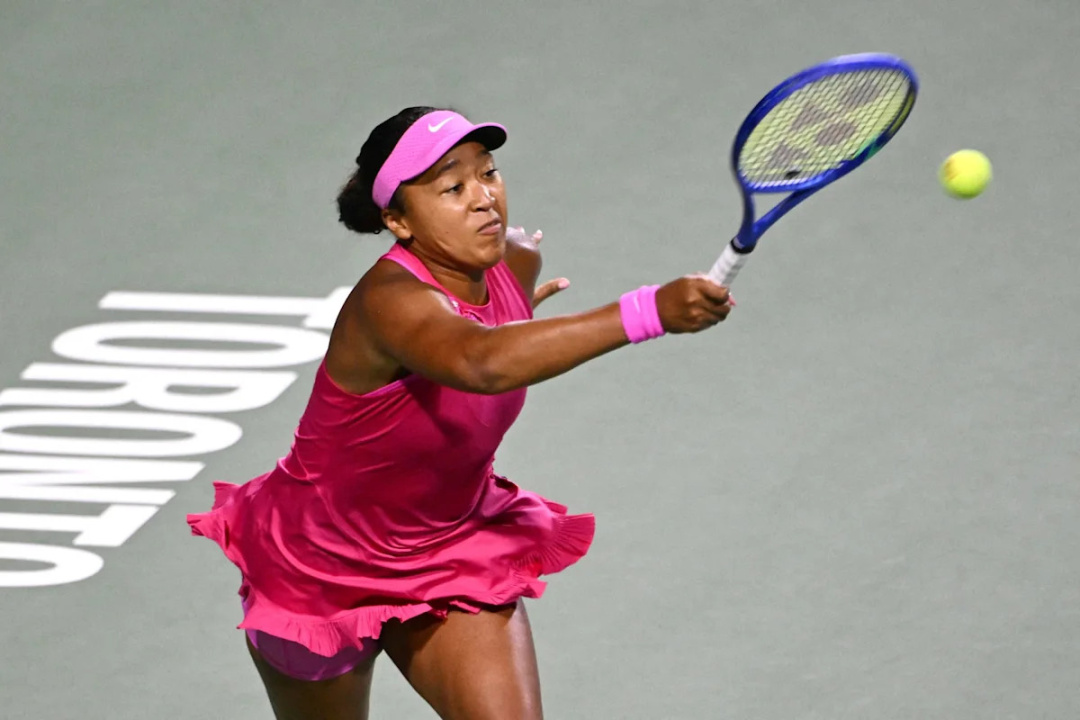
The US Open has rolled out a groundbreaking initiative requiring all athletes to undergo mandatory influencer training before they can take to the court. This revolutionary program aims to equip sports professionals with the social media expertise needed to navigate the increasingly blurred lines between athletic achievement and influencer culture. Upon completion, athletes will be rated on their ability to generate engaging content and maintain a flawless online persona.
As part of this training, competitors must familiarize themselves with the latest trends in authenticity performance, learning how to craft posts that combine athletic prowess with aspirational lifestyle elements. Participants will engage in workshops that teach them to seamlessly integrate their on-court triumphs with curated social media narratives, all while ensuring they remain relatable to their audience. This unique blend of skill and flair is aimed at maximizing their marketability in a world where follower counts often overshadow medal counts.
Objects of Questionable Importance
Must Have Sponsors.
However, the requirements don’t stop there. Athletes will be required to establish a personal brand that aligns with contemporary influencer ethos. This branding must include the latest in wellness trends, fashionable gear, and a commitment to sustainability, all presented with the utmost finesse on platforms like TikTok, Instagram, and the newly established Athlete-Influencer Network. Compliance will be monitored by a dedicated panel of social media strategists who will score the athletes on creativity, engagement metrics, and overall aesthetic appeal.
To further incentivize performance, the US Open has introduced a tiered ranking system for influencer performance, where contestants can gain points for each sponsored post that garners significant interaction. In a twist, lower scores will incur fines, and penalties may include mandatory digital detox periods to recalibrate their influencer strategies. The ultimate goal? To position the US Open as not just a sports tournament, but a pinnacle of lifestyle branding success.
The Quarterly Audit of Influence Metrics
In addition, all athletes must submit to a quarterly influencer audit to assess their social media presence and fan engagement. This evaluation will not only determine their eligibility for future tournaments, but will also dictate their sponsorship potential. Points accrued from successful brand partnerships will be tallied, and only those with an impressive influencer score will be granted access to exclusive post-match interviews and promotional opportunities.
As this initiative unfolds, the realm of sports is poised to merge more fully into influencer culture, with the potential for absurd expectations to reach new heights. Athletes will need to balance their strenuous training regimens with the pressures of maintaining an Instagram feed that dazzles. Failure to comply with the influencer mandates could mean serious consequences for one's career trajectory.
And Then Reality Filed an Objection
While the push for influencer excellence may seem daunting, experts believe it will ultimately elevate the profile of the US Open and athletes alike. The integration of marketing savvy into sports creates a new standard where participation now requires a commitment to influencer culture, leading many to wonder what will happen when athletic merit is overshadowed by social media metrics.
In the age of the influencer, athletes are now expected to juggle their physical performance with the emotional labor of curating their digital identities. The new requirements promise to test not just their athletic skills, but their ability to evoke engagement in a landscape where metrics dictate success more than talent alone.