Amsterdam Fashion Brands: The New Standard for DIY Style and Community Roots
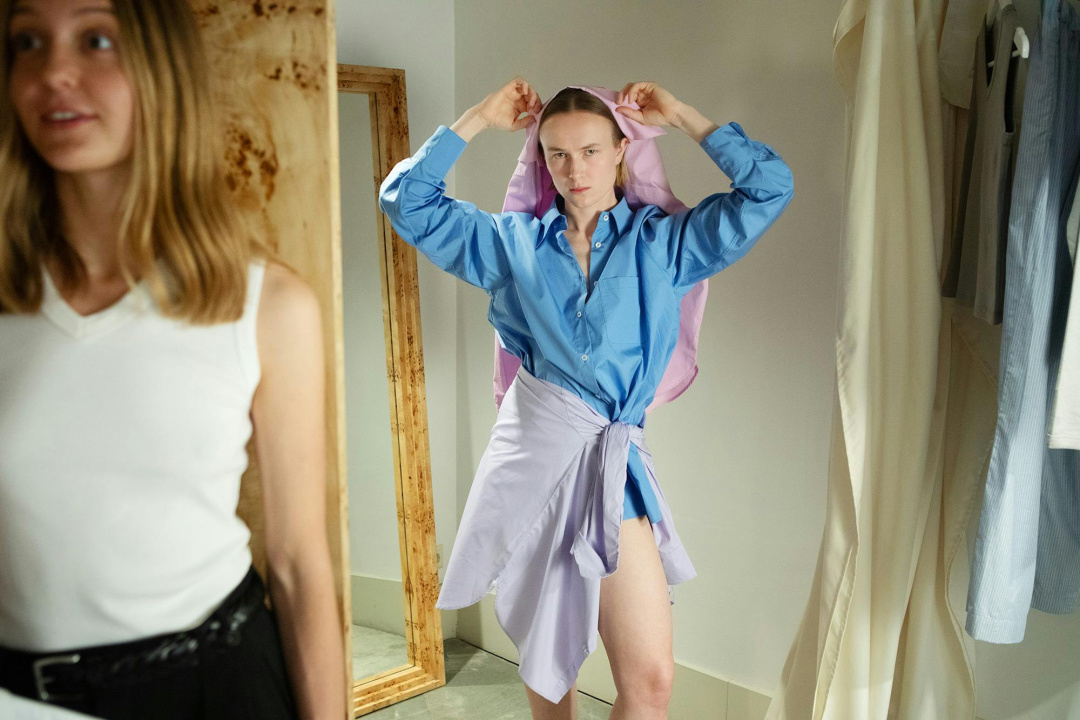
Amsterdam has officially declared itself the anti-fashion capital of the world. Rejecting the high-stakes drama of Paris and Milan, this city is leaning into a punk ethos where the only requirement is to be as un-bureaucratic as possible. Forget fashion schools and established legacies; here, the streets are the classroom, and every misfit design is a celebrated masterpiece. This week, Amsterdam Fashion Week is rolling out some of the most fabulously flawed designs, with an unwavering confidence that everything is exactly as it should be.
The trend is spearheaded by local brands that have perfected the art of imperfection. Camiel Fortgens, for instance, challenges us to embrace the aesthetic of everyday mishaps. His pieces flaunt crooked seams and uneven cuts as badges of honor, reminding wearers that perfection is overrated. Even as he makes strides toward Paris Fashion Week credibility, his shows are held on supermarket floors, proving that high fashion can indeed thrive in the most unexpected venues.
Objects of Questionable Importance
Must Have Sponsors.
Joone Joonam, a newcomer to the scene, captures this spirit of whimsical innovation. With garments that resemble quirky art installations more than clothing, the brand mixes raw edges with traditional Iranian designs. As trends shift from the runway to the streets, Yousefi’s work is already winning hearts in Japan, where his avant-garde pieces have positioned themselves as must-haves for the brave and bold.
In a delightful twist, Eleph, another local favorite, takes a more fabric-centric approach. Before launching her label, Fleur Muijsson honed her skills within the factories of high-end brands, only to return to her roots by creating garments that allow the fabric to dictate the cut and overall design. Her pieces are understated but imbued with a certain sparkle, a quiet rebellion against the shiny, over-polished world of luxury fashion.
As for extreme cashmere, the label provides a stark reminder of what the modern consumer truly desires: comfort without compromise. Why adhere to the seasonal rush when one can simply expand an existing collection? This philosophy reflects a growing trend in Amsterdam’s fashion scene—less urgency, more authenticity. With their flagship store designed to blend seamlessly into the cityscape, extreme cashmere champions the idea that luxury can also be low-key.
The New Metrics of Fashion Compliance
As these Amsterdam brands redefine what it means to be fashionable, they raise the question of compliance with traditional metrics of style. The almighty runway is being replaced by local boutiques and pop-up experiences. The metrics now involve community engagement and a genuine connection to the art of creation itself.
With fashion week in full swing, the stakes are higher than ever, but not in the way you might expect. Instead of focusing on the latest trends, these brands are setting standards that might be impossible to maintain. For instance, Lack of Guidance embodies this ethos by showcasing graphic-heavy designs that nod to football culture—a trend not only aesthetic but deeply reflective of local identity and rivalry. Meanwhile, Sine & Cosine has recalibrated footwear by reducing traditional clog design to geometric elegance, merging mathematics and fashion in a way that might leave traditionalists scratching their heads.
Reality, That Annoying Little Detail
The layers of complexity keep piling up, with Carmen’s launch of its own clothing line amidst running a café and guesthouse, proving that multitasking is the new standard. As the founders juggle their many roles, each new piece introduces yet another layer of absurd expectation, essentially saying, "Why stop at one industry when you can dominate them all?"
As we watch this unconventional scene unfold, the takeaway is clear: in Amsterdam, it’s not just about wearing clothes but embodying the endless cycle of creativity and self-expression that refuses to be boxed in by the constraints of traditional fashion. The final twist? As brands push the envelope further, the city’s fashionistas might soon be required to embody aesthetics from multiple subcultures, all while remaining effortless and perfectly imperfect. Welcome to the paradox of Amsterdam fashion: where the only guarantee is perpetual reinvention, and compliance means redefining what it means to truly belong.