New TikTok Trend Imposes Standard of Perceived ADHD Symptoms on Women
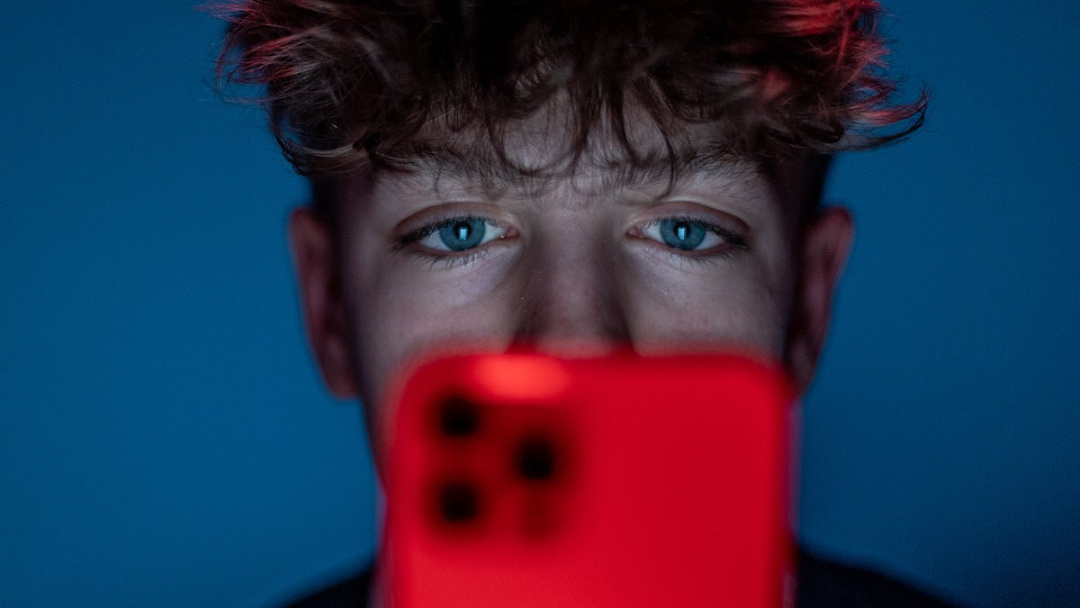
The latest TikTok trend, dubbed 'symptom borrowing,' demands that women not only recognize but also adopt the behavioral traits commonly associated with ADHD as recognized through viral videos. This unsettling social media phenomenon encourages users to flaunt their newfound symptoms as if they are fashion accessories, blurring the line between genuine mental health struggles and curated performances intended for likes and comments.
Experts note that this trend has emerged from the creator culture's insatiable appetite for authenticity, which paradoxically leads to inauthentic self-presentation. Women now face the dual pressure of genuinely understanding their mental health while simultaneously being required to showcase their ADHD adaptations in a manner that appeals to the algorithm. Those who fail to perform adequately may find themselves penalized by the very community they wish to engage with, as influencers set impossibly high standards for relatability and engagement.
Objects of Questionable Importance
Must Have Sponsors.
As if the challenge were not daunting enough, the algorithm demands constant reinforcement. Women are encouraged to share their struggles openly, but only if they can effectively package their experiences into digestible, shareable content that fulfills the community's ever-evolving expectations. One wrong move, one post that doesn't resonate, and suddenly a woman must reconsider her entire identity in front of a digital audience.
Additionally, the influencer economy capitalizes on this trend through branded products specifically designed to help women ‘manage’ their ADHD. New subscription plans are rolling out, offering monthly boxes of stress balls, calming teas, and guided journals promising to enhance mental health performance metrics. The irony is rich, as women are guided to curate their mental health toolkit whilst also being urged to share their experiences in an increasingly competitive social media landscape.
The Competition for Relatable Struggles
This cycle cultivates an environment where the line between personal struggle and public persona is not only blurred but entirely erased. TikTok users are now expected to compete against each other for the most relatable ADHD narrative. The stakes? A higher engagement score that leads to more visibility and, inevitably, more pressure to maintain authenticity through performance.
The Part Where This Stops Making Sense
While these developments might seem absurd, they are merely the next logical step in the evolution of influencer culture where even the most intimate aspects of mental health are commodified. To comply with the now-standard expectation of symptom borrowing, women must not only engage with their mental health in a meaningful way but must also present a version of that engagement that is palatable to TikTok’s discerning viewers.
As this trend continues to evolve, future updates may introduce even more elaborate requirements, such as certification programs for effective symptom performance. Imagine a world where women must complete courses not just in mental health awareness but in the art of performing it, graded by peers on how convincingly they embody various conditions in their day-to-day lives.