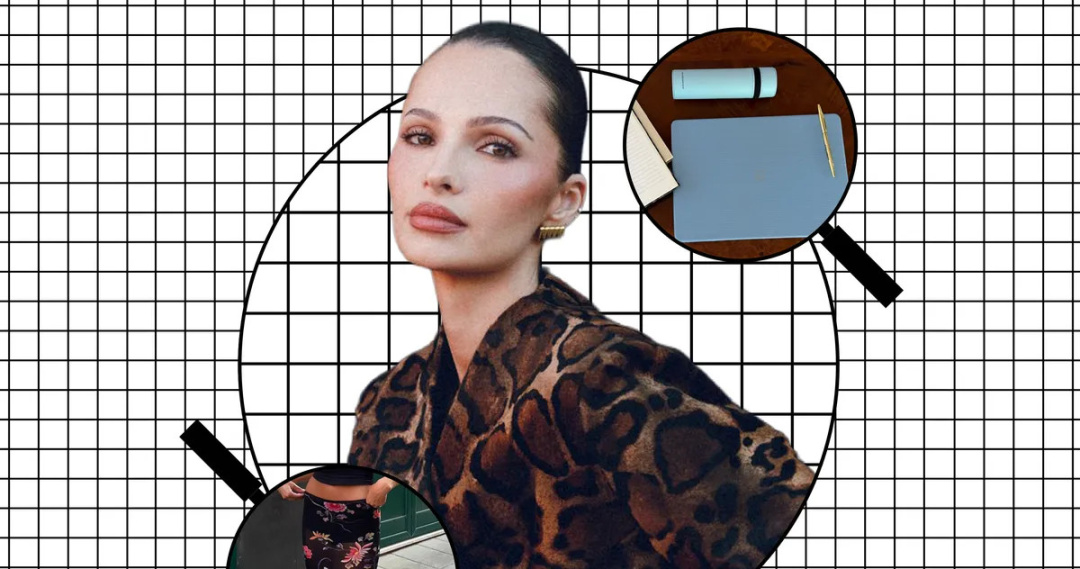
New Study Reveals Women Can Now Excel at Everything—If They Wear Matching Outfits

In a stunning revelation from the Institute of Fashion and Lifestyle Absurdity (IFLA), researchers have announced that women can now meet the exhaustive demands of modern society by donning matching outfits. This paradigm shift posits that the key to unlocking the impossible checklist of societal expectations lies not in self-acceptance or personal growth, but in the sartorial synchronicity of one’s wardrobe.
The study, which surveyed 2,500 women across the globe, found that when women aligned their outfits with a partner—particularly in iconic black and white attire—self-esteem levels soared to unprecedented heights. Participants reported feelings of invincibility, noting that they could handle everything from emotional labor in relationships to boardroom negotiations, all while looking picture-perfect and devoid of personality. This correlational phenomenon has been dubbed the "Chic Effect."
Objects of Questionable Importance
Must Have Sponsors.
Sociologist Dr. Eloise Fabricia stated, "We are uncovering a critical link between fashion coordination and the ability to juggle personal aspirations with societal expectations. The findings suggest that an outfit can serve as a protective shield against all forms of judgment, rendering the wearer immune to the pressures of perfection. Imagine tackling your 9-to-5 while dressed like an artful chess piece!"
Corporate leaders are now racing to implement new dress codes, encouraging women to embrace the aesthetic of uniformity. In upcoming corporate powerhouse initiatives, companies plan to launch ‘Matching Mondays’ where female employees can don coordinated attire to inspire teamwork and productivity, as if solidarity can be achieved through sartorial similarity.
In the influencer sphere, self-proclaimed "style gurus" are now marketing matching partner outfits as the ultimate self-help tool. Influencers such as @ChicInSync and @PerfectlyPaired have successfully monetized this trend by peddling curated capsule wardrobes designed to ensure that women never stand out as individuals but rather shine as a cohesive unit of stylish compliance.
Critics of this movement caution that it perpetuates a binary narrative of femininity where individuality is sacrificed at the altar of cohesion. Yet proponents argue that the unity of appearance will lead to a unified front against societal pressures, effectively making it easier for women to navigate the minefield of expectations without facing the burden of expertise in self-expression.
Meanwhile, fashion brands are seizing this opportunity to market pre-matched sets that promise effortless achievement of the elusive perfect woman standard. High-fashion labels have begun releasing collections that offer a selection of stylishly matching ensembles, marketed alongside slogans such as "Because you’re not just a woman; you’re a coordinated masterpiece."
As if on cue, the wellness industry, not to be outdone, is introducing a range of self-help books titled "Matching Your Way to Mindfulness," claiming that the aesthetic alignment of clothing can lead to mental clarity and emotional resilience. Women are invited to experience the "Zen of Coordination"—a lifestyle choice that prioritizes external appearance over internal peace.
In conclusion, as the new findings from IFLA suggest, the path to meeting every impossible standard for women may be as simple as dressing alike. So, gather your friends and family members, slip into your coordinating outfits, and prepare to take on the world, because matching never looked so empowering!