New Study Shows Women Sleep Better Because They’re Busy Worrying About Sleep
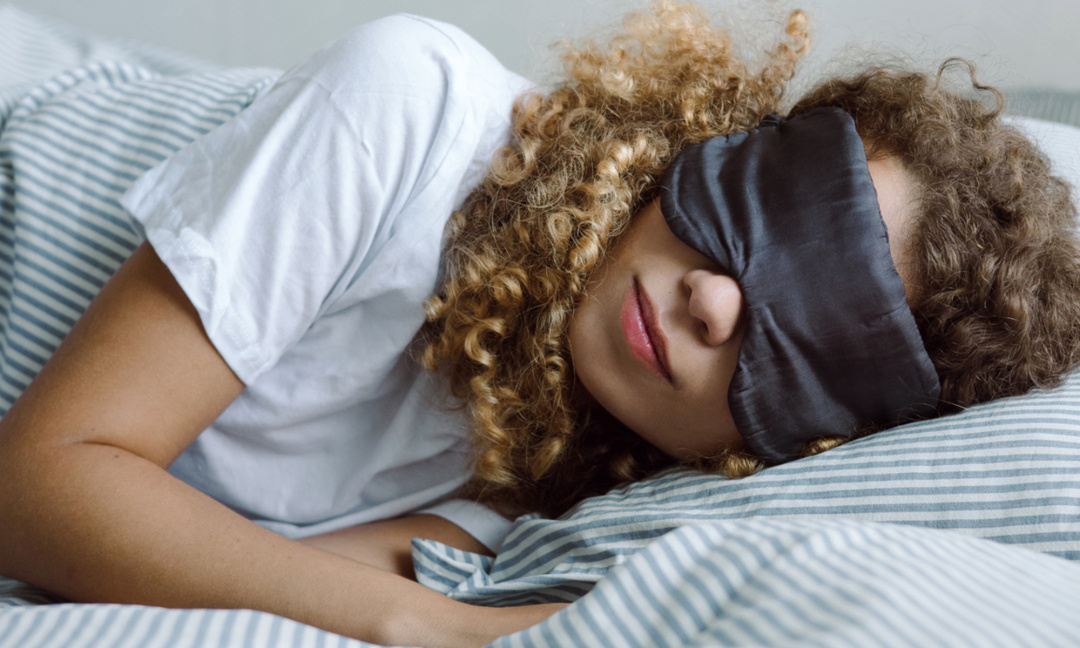
In a groundbreaking meta-analysis, researchers have discovered that women’s brains exhibit superior sleep patterns compared to men, yet paradoxically, they are still nearly twice as likely to suffer from insomnia. This striking contradiction has been attributed to a complex interplay of hormonal fluctuations, societal pressures, and an overwhelming desire to achieve perfect sleep—and all while maintaining an ideal Instagram aesthetic, no less.
The findings suggest that women exhibit higher levels of brain activity related to deep sleep, measured through sleep spindles and slow wave activity, signaling their bodies might be biologically equipped for better rest. However, this advanced neural architecture fails to translate into restful nights due to a litany of factors including performance anxiety, incessant societal expectations, and the inability to stop scrolling through the latest wellness trends long enough to actually fall asleep.
Objects of Questionable Importance
Must Have Sponsors.
Experts have proposed that women’s insomnia can, in fact, be viewed as a critical public health issue. They recommend developing targeted insomnia care strategies that focus on counseling women on how to optimize their anxiety levels while trying to be the perfect partner, employee, and influencer. Forget about sleep hygiene; the new buzzword in wellness circles is "anxiety optimization"—a practice that involves mastering the art of worrying about your sleep while lying awake at 3 AM, all while sipping an adaptogenic herbal tea.
Corporate wellness programs are already jumping on this trend, with new workshops titled "How to Stress About Sleep: The Ultimate Guide for Women" scheduled to roll out next quarter. Participants will learn techniques such as calculating their stress-to-sleep ratio and how to engage in deep breathing exercises while simultaneously managing their social media accounts.
Additionally, lifestyle brands are seizing the opportunity to market products that promise to cure insomnia through sheer aesthetic pleasure. Sleep masks that project calming visuals of a perfectly curated avocado toast brunch or essential oil blends that smell like validation are set to hit the shelves this fall. The goal is to create a sleep environment so visually appealing that it distracts from the actual act of sleeping.
The irony of women's superior sleep biology not translating into restful nights reflects the relentless pressures of modern womanhood, where even our sleep becomes a performance metric. Women are being encouraged to embrace the insomnia paradox as a badge of honor, a testament to their commitment to multitasking excellence and societal expectations.
As we move forward, the hope is that by reframing insomnia not merely as a personal concern, but as a collective societal failing, we can begin to dismantle the expectations that keep women awake at night. Until then, perhaps the only sleep tip we need is to put down the phone and ignore any sleep-related advice from influencers. After all, nothing says "well-rested" like the glow of a phone screen illuminating your insomniac worries.
In summary, while researchers continue to explore this baffling female insomnia paradox, it’s clear that until we address the societal pressures underpinning it, women will remain experts in worrying about their sleep rather than actually enjoying it. Until then, we remain in a state of wakefulness, poised to engage in the next round of societal expectations.