New Study Reveals Dating Apps Are the Lead Paint of Modern Romance
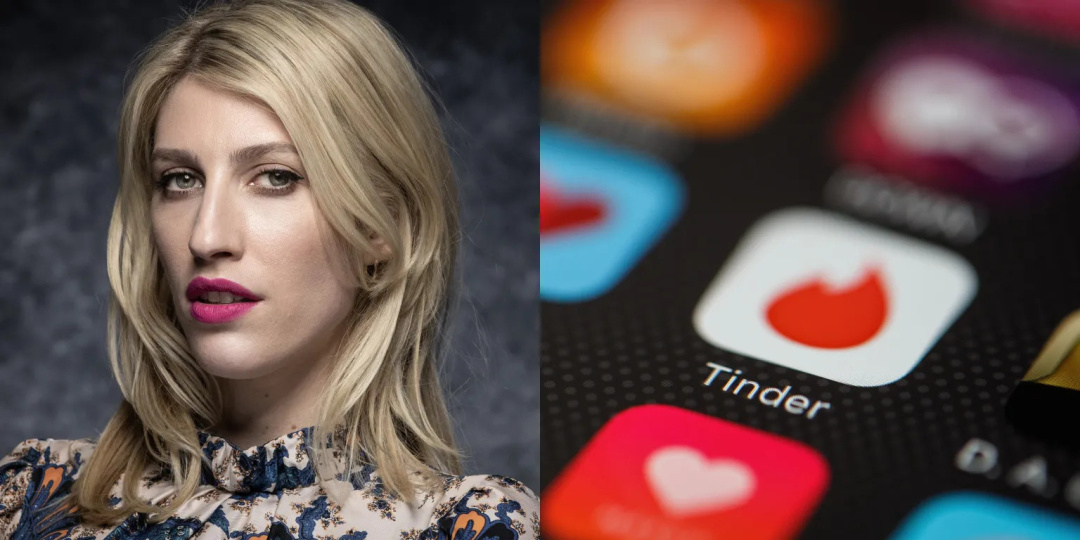
A groundbreaking study has revealed that dating apps are now considered the lead paint of modern romance, with users feeling psychologically poisoned by their constant engagement with these platforms. Experts argue that as society eagerly embraced the promise of digitally facilitated connections, we overlooked the subtle yet profound psychological deterioration lurking beneath the surface.
In the early days, dating apps were a thrilling novelty, akin to a buffet of potential partners served at our fingertips. But as users increasingly report feelings of burnout and dissatisfaction, it seems the apps have transformed from exciting matchmaking tools into a repetitive cycle of disappointment, akin to eating stale bread at a once-glamorous banquet.
Objects of Questionable Importance
Must Have Sponsors.
Dating apps have created a unique feedback loop. Users are bombarded with endless streams of curated profiles, receiving validation through likes and matches, reinforcing every fear and bias they harbor about dating. This algorithmic echo chamber leads to an environment where cynicism thrives, resembling a never-ending cycle of confirming negativity that feels as harmful as inhaling lead dust.
The implications of this phenomenon are staggering. Users are now faced not only with the task of finding love but also navigating the complex emotional fallout of algorithmic misrepresentation. Those seeking authentic connections often find themselves grappling with the realities of curated personas and the insidious nature of superficial interactions. It's like searching for a home in an endless field of mirages, where every potential partner looks promising until they reveal their pixelated secrets.
As users collectively step back, many are exploring alternatives to dating apps, which have become less about connection and more about survival in a chaotic digital landscape. Some are even suggesting a complete ban on dating apps, advocating for a return to traditional matchmaking methods, while others joke about the potential for a "No App" movement where human interaction reigns supreme.
The urgency for reevaluation is greater than ever, as dating apps evolve to meet their users' needs—by demanding even more of their time and emotional energy. The latest update suggests new features requiring users to not only engage but also undergo emotional and psychological assessments before being allowed to swipe again.
The Emotional Tax of App Dependency
This new layer of requirements raises the stakes dramatically, compelling users to evaluate their emotional readiness before diving back into the dating pool. It seems that beyond dating, the apps now require a user's emotional certification, a wellness check, and a commitment to personal development before they can even access potential matches.
As if that weren't enough, the new subscription model has introduced fees for accessing higher levels of emotional support and counseling services through the app interfaces. Therefore, to effectively navigate the complex dating landscape, users are now expected to invest not only in their appearance but also in their emotional resilience—all while managing the cognitive dissonance of dating in a world where love feels increasingly elusive.
The narrative of lead paint now applies to the very means of connecting that society had once deemed innovative. With experts warning that we could be left regretting our reliance on these platforms, only time will tell if the quest for genuine connection can survive the onslaught of engineered social interaction.
The Price of Emotional Resilience
As we grapple with the consequences of our digital dating choices, one thing remains clear: the emotional resilience required to thrive in this dating landscape is rapidly becoming a luxury. Those who can afford to pay for the best emotional support services will find themselves at an advantage while others risk being lost in the chaos of swipes and thumbs-up emojis, rendering the ideal partner an increasingly unattainable goal. Society may look back at this era as we do with the lead paint of yesteryears—wondering how we let something so dangerous slip into our everyday lives while thinking it was safe all along.