New Diabetes Drugs Require Users to Maintain an Active Age Dashboard

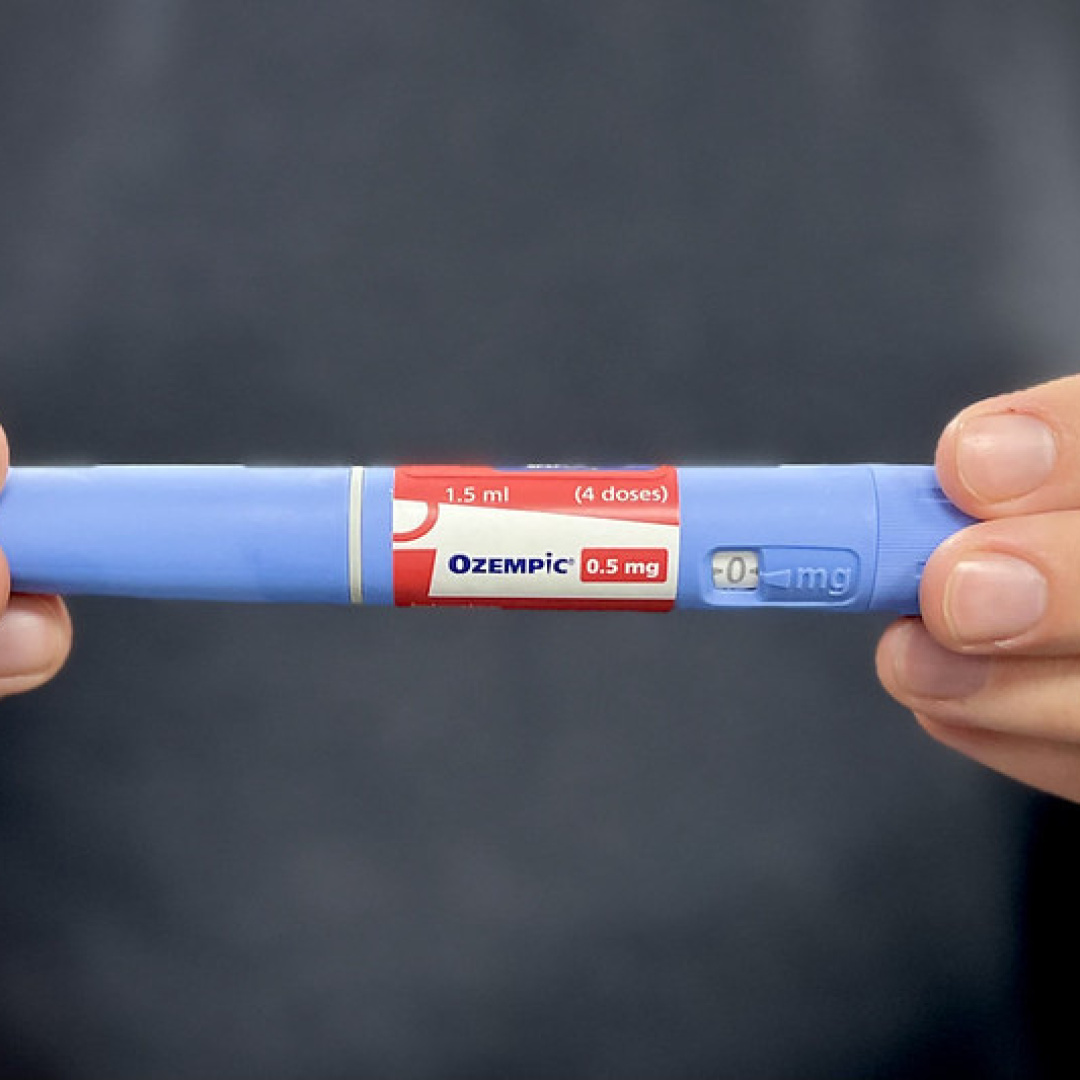
Recent developments in diabetes interventions are reshaping the landscape of anti-aging with a twist. As more people turn to medications like semaglutide, users are now required to maintain an active biological age dashboard, tracking their metrics in real-time to unlock the full potential of these drugs. This new demand not only revolutionizes personal health management but also poses the question of how one can age in a world dedicated to youth.
To stay eligible for ongoing treatment, users must perform weekly biological age assessments, making it crucial to stay ahead of the aging curve. This involves not just regular blood tests but also a fitness routine that enhances age-fighting strategies. Failure to meet these metrics could lead to penalties, including the loss of medication access or being classified as “aging-adjacent,” a label nobody wishes to wear.
Objects of Questionable Importance
Must Have Sponsors.
In a bold step forward, pharmaceutical companies are also introducing subscription models akin to wellness packages. For a nominal monthly fee, users can access personalized age-modulating workout plans, curated nutrient-rich meal kits, and even mindfulness sessions tailored to their specific aging needs. This ensures that customers are not just passively taking their drugs but are actively engaged in a lifestyle that keeps them youthful—and compliant.
Meanwhile, those who achieve the coveted status of 'biologically young' will be rewarded through a tiered loyalty system, complete with exclusive discounts on anti-aging products, invitations to elite wellness retreats, and potential influencer partnerships. Staying youthful, it seems, is just a subscription away, provided one can navigate the resulting pressures of upholding this new status.
The Art of Health Management
In the midst of these exciting advancements, the overarching requirement remains clear: users must not only manage their health but elevate it to an art form. This includes social media sharing of their progress and public accountability for each biological milestone they reach. The pressure is on, as adherence to these new standards is monitored by algorithmic assessments that notify users of their aging risks based on lifestyle choices and biological data points.
As if the pressures weren't enough, the landscape now mandates that users also sign up for quarterly emotional support sessions to ensure they can cope with the psychological weight of perpetual youth-seeking. These sessions, designed to help manage the emotional toll of constantly measuring worth through a biological lens, are becoming a staple in the wellness community. Emotional health metrics are now just as crucial as physical ones, adding yet another layer of complexity to this avant-garde approach to aging gracefully.
Back Here in the Physical Universe
The final requirement looms ominously: users must secure a license to validate their anti-aging claims. This involves passing a series of assessments that gauge not just physical but emotional resilience to aging pressures. Those who do not pass may be placed in a wellness re-education program, a fate almost as undesirable as the idea of aging itself.
In a world where aging is no longer a mere biological fact but a measurable performance metric, the stakes have skyrocketed. All these expectations culminate in a powerful message: to thrive, one must game the system of aging while embracing the endless demands of youthfulness, as the cost of being human is now measured by one's ability to defy the very nature of time itself.