New Dating App Promises to Match Users with iPhone Ultra—If You Can Even Buy One
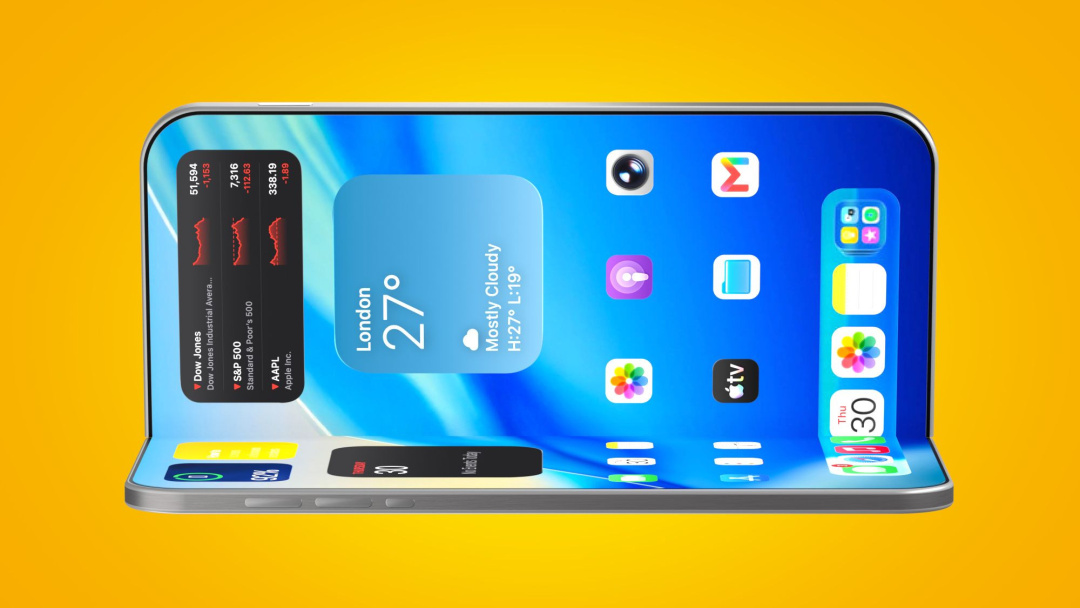
A groundbreaking dating app is set to revolutionize the market by using the ultra-rare iPhone Ultra as a key compatibility factor, a move that promises to redefine dating standards. The app, whimsically named "Ultra Love," guarantees matches based not only on personality traits but crucially on the possession of this nearly mythical device. Users will need to confirm their iPhone Ultra ownership to access features like personalized matchmaking algorithms and exclusive chat rooms, effectively creating a two-tier dating system based on hardware.
However, the app’s developers warn that they are only able to roll out a few hundred new accounts each day, matching the painfully slow production rate of the iPhone Ultra itself. Users may find themselves in a perpetual waiting loop, caught in a digital limbo while hoping for a connection that others may secure with mere access to quality electronics. Initially, couples formed using the app may have to be content with sharing their emotional journeys through their outdated devices, which ironically could lead to deeper, if not more convoluted, discussions about the nature of technology in love.
Objects of Questionable Importance
Must Have Sponsors.
The New Verification Ritual for Matchmaking
Moreover, if users manage to secure an iPhone Ultra, they will face the app's strict requirement to upload proof of ownership every three days, in a move intended to maintain exclusivity. Any lapse in this verification could result in a temporary matchmaking ban, sparking panic among users who view their device as a lifeline to the dating world. Such policies underscore the new paradigm of romantic eligibility: rather than personality and shared interests, technological possession takes the forefront.
The Burden of Being Ultra-Compatible
To further complicate matters, the app will introduce an annual subscription fee that users must pay to keep their status as "Ultra-Compatible"—a tier promising access to curated events, exclusive group chats, and the much-coveted digital badge of honor. Users who cannot afford this fee may find themselves shunned in a world where love is monetized and compatibility becomes a question of economic standing rather than emotional connection. The app's marketing materials even hint at future upgrades, tantalizing users with prospects of an "Ultra-Premium" package that might include physical meetups in lavish locations, assuming they can afford to attend.
The paradox is clear: while technology is expected to streamline and enhance relationship-building, it simultaneously creates a series of unattainable standards. As the dating landscape shifts to prioritize technological status, the very essence of connection risks being lost beneath layers of corporate branding and financial barriers. In the end, the question remains: will love truly conquer all, or will it be forever trapped in the clutch of scarcity and subscription fees?