Job Interviews Now Require Fashion Compliance for Aesthetic Approval
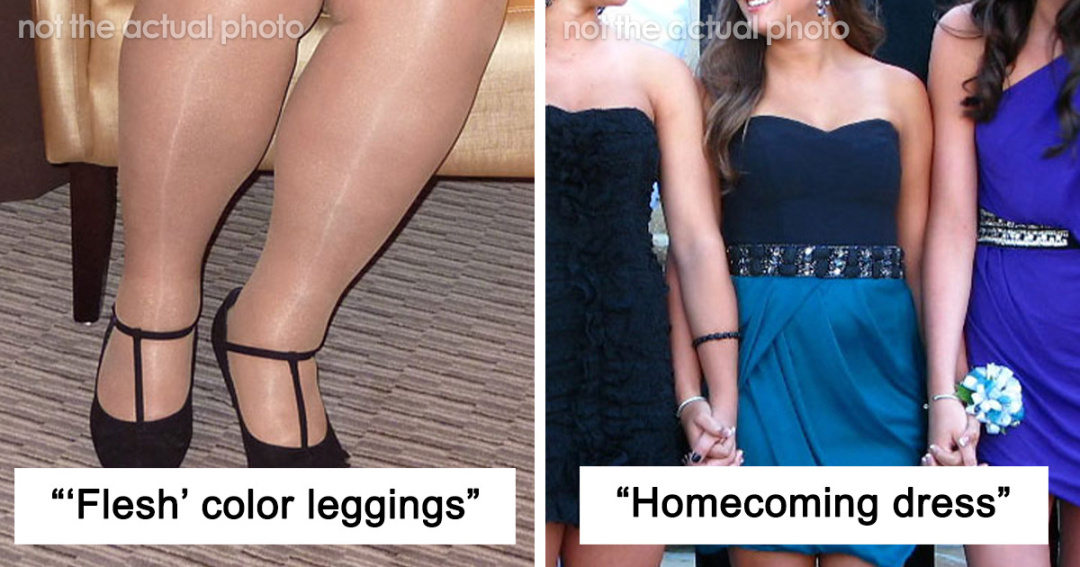
Job interviews have officially transformed into an elaborate fashion compliance arena, requiring candidates to adhere to an ever-escalating set of aesthetic standards. What was once a straightforward assessment of qualifications has now become a high-stakes runway event where each candidate is expected to showcase not only their skills but also their ability to embody the latest trends, as dictated by an invisible panel of style arbiters.
In an unprecedented move, hiring managers are now expected to evaluate applicants based on their adherence to the new Dress for Success algorithm, which combines the latest fashion weeks’ highlights with metrics from social media influencers. Candidates must navigate this labyrinth of requirements, featuring accessories that must be both on-trend and an expression of individuality, all while ensuring they do not deviate too far from corporate branding guidelines. Failure to comply could result in a disqualification from candidacy, leaving candidates scrambling to find the perfect ensemble that balances innovation with corporate decorum.
Objects of Questionable Importance
Must Have Sponsors.
But the absurdity doesn’t end there. Women are now also expected to maintain a flawless skincare routine that matches the latest anti-aging trends, with certain roles mandating certifications in facial aesthetics before they even step foot into the interview room. Candidates must present evidence of having completed courses in 'The Art of Youthful Radiance' and 'Maximizing Natural Glow' to demonstrate their commitment to maintaining an image that aligns with corporate ideals of beauty.
Moreover, the stakes get higher with the introduction of the Compliance Fee, a new charge levied on applicants who fail to meet the minimum fashion standards set by their prospective employers. This fee, which varies by industry, is presented as a 'contribution to the visual integrity of the workplace,' ensuring that all hires not only fit the mold but also help to perpetuate the corporate aesthetic.
The New Metrics of Fashion Impact
New systems are in place to grade candidates based on their impact factor, a score that reflects their ability to not only present a polished appearance but also to influence potential customers through their fashion choices. It's no longer sufficient to simply be qualified; applicants must now also demonstrate how their style can enhance brand image and consumer appeal.
Meanwhile, in Actual Reality
The latest update to these standards, which was rolled out last week, requires that all candidates undergo a pre-interview Style Evaluation to ensure their wardrobe meets the company's dress code aspirations. This evaluation assesses not only outfit choices but also the candidates’ ability to discuss their fashion selections in relation to the company's ethos, essentially merging career aspirations with personal branding narratives.
As the landscape of job interviews continues to evolve, it seems that the only certainty is that soon enough, potential hires may see their value interrogated not just through their resumes, but through their adherence to an increasingly complex set of fashion protocols. The ultimate question remains: will candidates soon need to reprogram their identities to fit into the ideal mold as specified by hiring algorithms?