Influencer Economy Declares New Standard: Authenticity Must Be Monetized
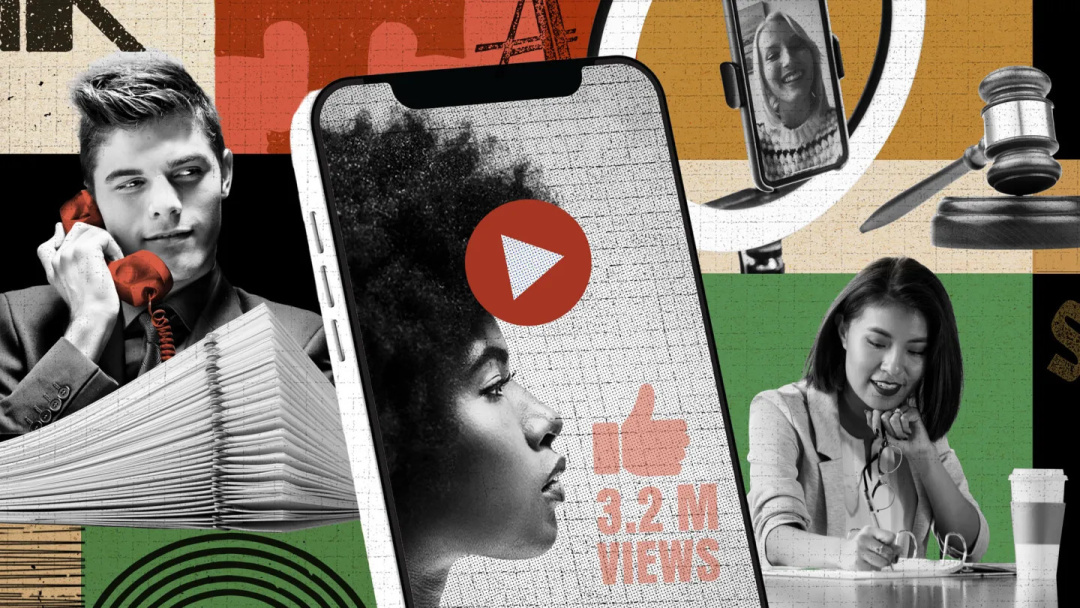
The influencer economy has officially mandated that authenticity must now come with a price tag, as the latest trend requires social media creators to navigate their personal lives as if they were ongoing promotional campaigns. Each moment of genuine self-expression is now considered a potential sponsored opportunity, with creators expected to announce partnerships even for casual brunches or strolls in the park.
The new influencer toolkit includes a detailed checklist: every outfit must be linked to a brand, every vacation must come with discount codes ready for instant sharing, and absolutely no emotionally vulnerable posts can be made without a sponsored therapy session. Creators must provide transparency reports on their emotional states regarding product efficacy, complete with metrics of viewer engagement. After all, using a product without a proper hashtag can lead to algorithmic penalties.
Objects of Questionable Importance
Must Have Sponsors.
In this brave new world, influencers must ensure their online personas reflect a seamless integration of their authentic selves with brand partnerships. Platforms are now rolling out features that evaluate a creator's emotional authenticity score, which directly affects their visibility and sponsorship opportunities. The irony of needing to prove authenticity through rigid, quantifiable metrics is not lost on anyone—but is swiftly glossed over in the interest of commerce.
As brands scramble to latch onto the latest viral trends, influencers find themselves in a race against time to package their lives in digestible, marketable formats. This week’s top videos exemplify the trend: a popular content creator lost his sponsorship for sharing an unfiltered moment of existential dread, which, while relatable, performed poorly on engagement metrics.
The Burden of Aesthetic Compliance
Meanwhile, the pressure mounts to continuously churn out aesthetically pleasing, product-centric content. Reports indicate that influencers are now employing professional stylists for their everyday outings, just to ensure they look ‘on-brand’ while grocery shopping. As if that wasn’t enough, regular audits of their social media engagements are now required by the very brands that fund their lifestyles, leading to an almost corporate-level of scrutiny over personal discussions and interactions.
This relentless cycle of monetizing every aspect of life is further squeezed by the requirement of a minimum number of brand interactions per week. Influencers must now balance their natural spontaneity with the rigid demands of their sponsors, leading to an increase in staged authenticity, where moments that once felt real are now calculated and choreographed.
Meanwhile, Among Functioning Humans
To summarize, the influencer landscape is quickly evolving into a complex web of expectations that demand not just creativity but also business acumen. The latest reports suggest that failure to comply with these new monetization standards could result in being labeled as ‘non-competitive,’ a fate worse than a loss of followers. As the lines blur between genuine interaction and curated content, the future of authentic online presence may hinge entirely on one’s ability to sell even their most casual moments.
And just when you thought it couldn’t get any more complicated, new subscription models are emerging, requiring influencers to charge fans for access to their unfiltered thoughts—because true authenticity now comes at a premium.