Fashion Week Announces New Rule: Models Must Also Be Psychologists
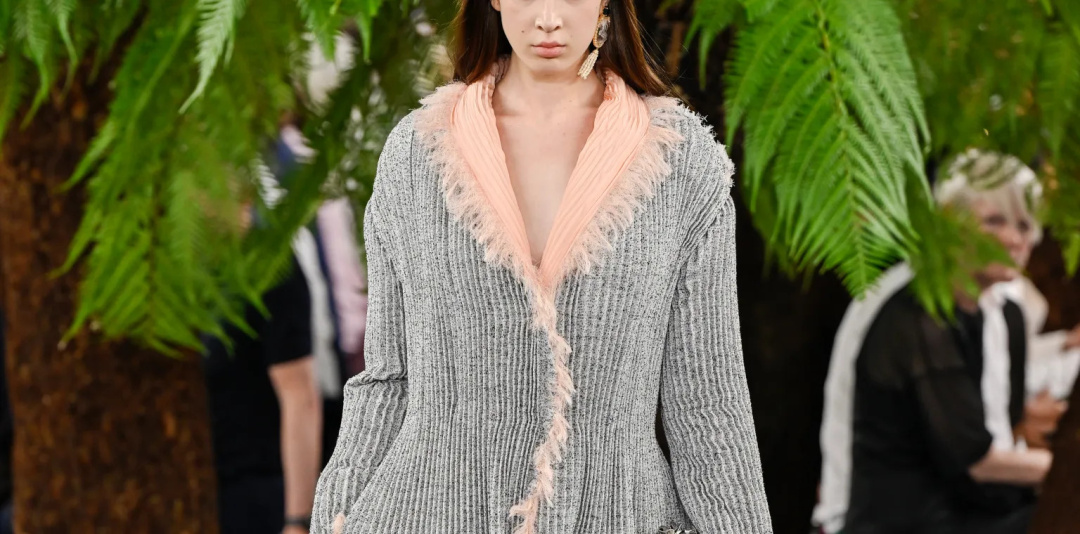
In an unprecedented move, Fashion Week officials have announced a new policy mandating that all models not only exhibit high fashion but also serve as on-the-spot psychologists for the audience. This revolutionary approach aims to address the overwhelming pressure models face as they strut down the runway and the relentless scrutiny that follows. Organizers believe that combining modeling with psychological insight will enhance the overall experience, allowing models to soothe the critics while showcasing the latest trends.
Critics, who have long opined on the aesthetics of models, are now expected to engage in constructive feedback sessions post-show. This includes discussing any adverse reactions to a model's walk, outfit, or even their familial connections. For instance, if a model stumbles, they are to offer on-the-spot analysis, providing the audience with insights into their emotional state, thus fostering a deeper understanding of the human condition—and, of course, their fashion choices.
Objects of Questionable Importance
Must Have Sponsors.
The policy is already drawing mixed reactions. Some industry veterans question its feasibility, pointing out that runway shows already demand peak physical performance and artistry. Others argue that this dual role of model-therapist could revolutionize the fashion landscape, opening pathways for dialogues about body image, self-worth, and the pressures of being in the public eye.
To prepare for this new responsibility, models will undergo a rigorous training program focusing on emotional intelligence, conflict resolution, and crisis management, ensuring they are well-equipped to handle the stress of the catwalk and the opinions that follow. This initiative will likely lead to a new wave of influencer-cum-therapists who can guide audiences through their feelings regarding fashion and life decisions alike.
Furthermore, in a bold marketing strategy, top fashion brands are expected to roll out capsule collections themed around emotional well-being, combining the latest styles with affirmations and therapy-themed merchandise. Models will not only walk in striking designs but will also promote wellness slogans, merging fashion with healing in one coherent package.
As the new Fashion Week policy is implemented, it raises the question of whether this will lead to a more understanding audience or simply add another layer of expectation for models. Will we embrace the combination of haute couture and mental health, or will the fashion runway become a stage for unsolicited therapeutic advice? Only time will tell as we witness the evolution of fashion into an arena of emotional transparency and aesthetic expression.