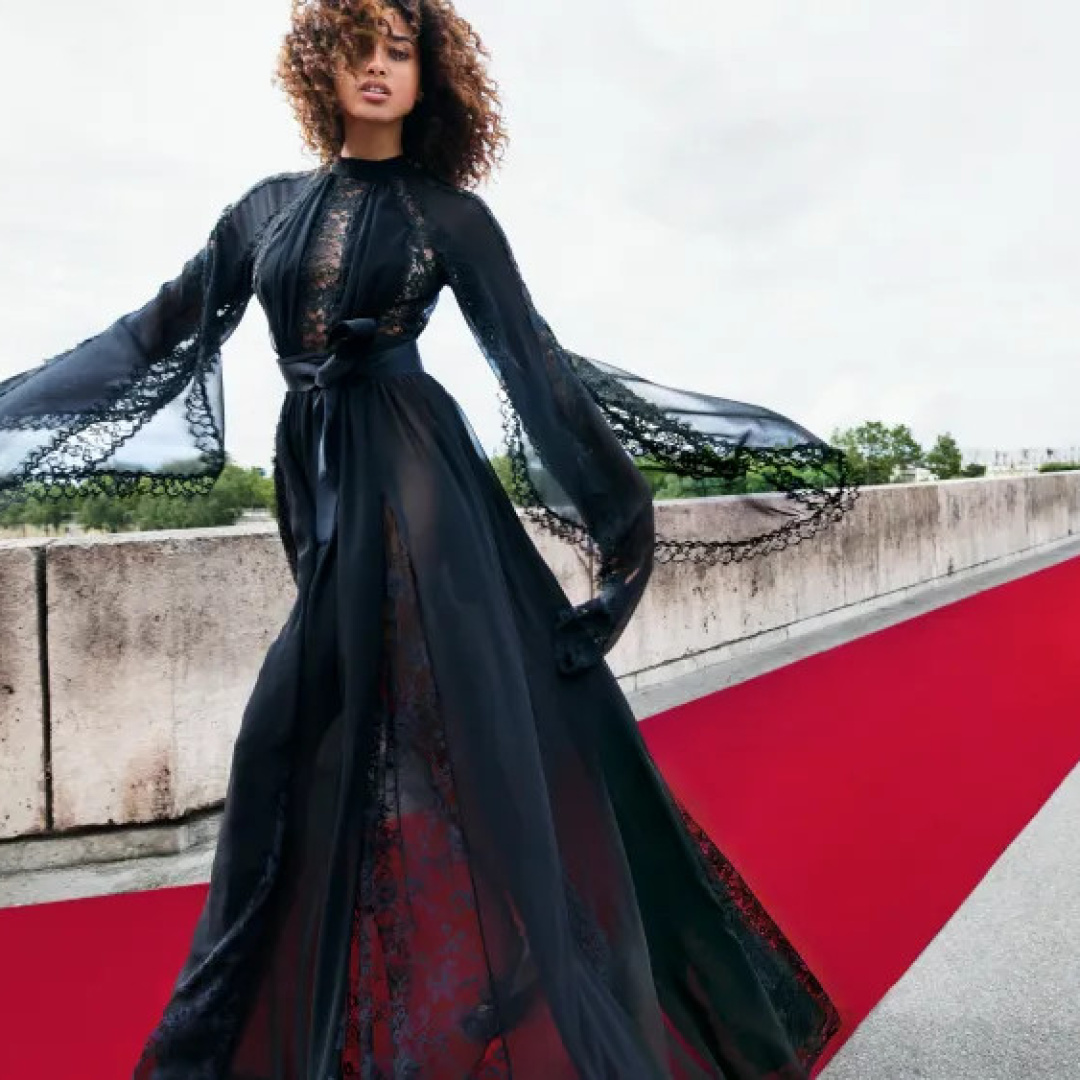
New Red Carpet Guidelines Require Women To Balance Luxury With Sustainable Fashion

Fashion regulators have officially announced a groundbreaking new guideline that will transform how women approach red carpet appearances. Effective immediately, women are required to wear each outfit a minimum of three times and document their wardrobe history before they qualify to spend on a new designer dress. This significant regulation is set to balance the luxury of high-profile events with the increasingly vital sustainable fashion movement, ensuring that every glamorous gown has a backstory to tell.
In the face of these new directives, women will need to adhere to a rigorous tracking system that includes social media posts of each outfit, complete with timestamps and location data proving the ensemble was indeed worn at three different high-profile events. Failure to comply will result in a hefty fine and potential bans from future red carpet events—an initiative the Fashion Authority claims is necessary to maintain authenticity in an era where fast fashion has dominated the market.
Objects of Questionable Importance
Must Have Sponsors.
As if the pressure of choosing the perfect outfit wasn't enough, women will also be subject to a new aesthetic compliance test administered by a panel of fashion experts. This test will evaluate not only the style and elegance of the outfit but also its perceived emotional resonance, as mandatory emotional assessments now factor into the approval process. Panelists will score ensembles based on their 'impact score,' which measures how well an outfit aligns with current cultural narratives, further complicating the already daunting world of fashion.
Moreover, in light of rising demands for transparency in fashion consumption, women will be required to submit a detailed report outlining the ethical impact of each dress, including material sources and labor conditions. This report must be prepared ahead of each anticipated public appearance, exacerbating the already dizzying complexity of navigating red carpet attire.
The Clash of Artistry and Regulation
The introduction of these guidelines has sparked heated debates among fashion enthusiasts. While proponents argue that such measures cultivate a deeper appreciation for the artistry of fashion, critics warn that the regulations may inadvertently stifle creativity and individuality. The question remains whether the fashion industry can sustain its ideals of luxury while adhering to such stringent, contradictory standards.
For Anyone Still Keeping Score at Home
As the first major red carpet event approaches, women everywhere prepare for the reality of having to select outfits that not only please the fashion gods but also meet the new registry requirements. The industry anticipates a significant increase in 'pre-loved' fashion, as many women will now seek to recycle their previously worn gowns to comply with both emotional and ethical standards.
What’s next? It’s been suggested that women will soon need to collect emotional testimonials from past wearers of their chosen gowns to accompany their outfit reports, further entrenching the necessity for accountability in a world that demands effortlessness and perfection simultaneously. This evolving landscape begs the question: can any woman truly navigate the complexities of red carpet fashion without succumbing to the exhausting contradictions set forth by its overseers? The stakes continue to rise as the fashion landscape morphs into a labyrinth of requirements and penalties.