New York Fashion Week Slashes Days But Doubles the Pressure for Designers
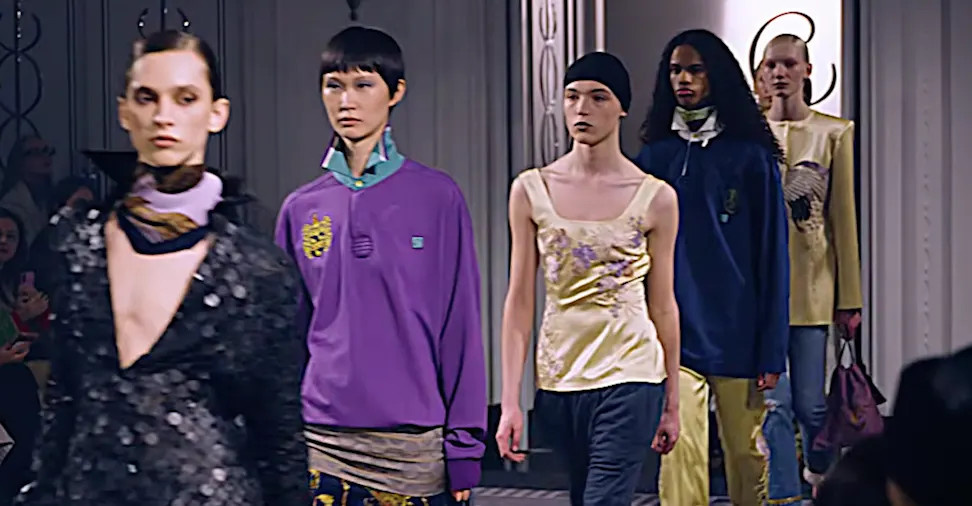
New York Fashion Week has just announced a daring new plan: reducing the event to a brisk five days while simultaneously increasing the performance expectations on all emerging designers. This strategic move means designers must not only showcase their latest collections but adhere to the newly established requirement of achieving viral status during their presentations. Failure to garner at least a million likes across social media platforms will incur a hefty penalty of being publicly shamed at the next Fashion Week. Designers must not only present clothing; they must also dominate the digital narrative with flawless influencer partnerships and engage in real-time commentary on their work during the shows.
Adding to this delightful conundrum is the newly imposed dress code for audience members, mandating that all spectators wear outfits styled exclusively with the designers' latest pieces – no exceptions. This requirement means that while designers toil away to impress the demanding industry elite, the audience must also meet these sky-high standards, effectively transforming the front rows into a live runway of competing aesthetics.
Objects of Questionable Importance
Must Have Sponsors.
In a twist of fate, designers must navigate their own creative visions while also adhering to an algorithmic guideline that dictates which aesthetics are 'in' at any given moment. This means a designer showcasing Victorian-inspired dresses might be penalized for not incorporating a touch of 'quiet luxury'—a term that, despite the lack of a clear definition, seems to hold the power to make or break a career. In this high-stakes game, even the most innovative ideas are subject to the whims of constantly changing consumer preferences, demanding that designers pivot overnight to meet the fickle mood of the season.
The Financial Stakes of Time Management
As if the mounting pressure were not enough, reports reveal that the show schedules will now penalize designers financially for exceeding allotted time slots. Presentations that run longer than the designated six minutes will incur fines so steep they may disrupt the financial stability of even the most well-established brands. This new guideline ensures that fashion shows must not only be visually captivating but also economically efficient, reflecting the modern consumer's penchant for bite-sized content.
Common Sense Would Like a Word
Finally, the digital scrutiny doesn’t end at the runway. Post-show, designers are required to submit a detailed performance report that includes social media engagement metrics, influencer feedback, and audience retention statistics. These reports will be graded on a scale from 1 to 10, where a score below 7 will prompt a mandatory 'Rebranding Boot Camp,' designed to realign the designer's vision with current market trends—an endeavor that is as much about survival as it is about creativity.
Ultimately, while the new format appears to streamline the event, the reality is that it has layered additional expectations on designers, transforming NYFW into a relentless treadmill of creativity under duress. The fine print states that compliance is key, but let’s not forget: the impossible demands are only just beginning.