New Study Finds Women More Likely to Excel at Everything After Receiving Zero Support
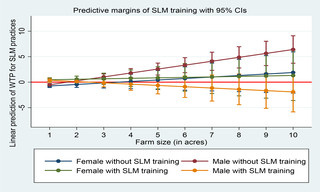
In a bold new research effort, academic experts have concluded that women are statistically more likely to achieve unparalleled success in various fields if they simply receive no support whatsoever. This innovative finding has sparked excitement in the realms of gender studies and data analytics alike, challenging the conventional wisdom that tangible resources and equitable treatment are necessary for success.
The study, conducted by a team of researchers from the Department of Imaginary Possibilities, uncovers the staggering benefits of complete lack of support on women's performance metrics. According to the abstract, the results indicate that when women operate in an environment devoid of intervention or assistance, their willingness to excel skyrockets—potentially due to an increased focus on self-reliance and creative problem-solving. The researchers assert that this unprecedented approach may revolutionize the way policies are formulated around gender empowerment.
Objects of Questionable Importance
Must Have Sponsors.
Dr. M. Equality, lead author of the study, stated, "We’ve been looking at the wrong metrics of success all along. It turns out that when women have no access to support systems, they elevate their performance to extraordinary levels. The lack of resources uniquely motivates them to outperform expectations, essentially creating a new paradigm in which absence is the new presence."
Critics of the study, however, have pointed out that the overwhelming evidence should be taken with a grain of salt. Many argue that the study’s premise sounds eerily similar to previous policies that suggested women should simply "try harder" or "lean in" without addressing the systemic barriers that hinder their progress. Critics warn that this research could lead to harmful policies that ignore the necessity of providing actual supportive systems in favor of a mystical belief in the power of self-sufficiency.
In what could only be described as a stroke of genius, the researchers have proposed a new framework for evaluating success: the "Absenteeism Advantage.” This theoretical model posits that increased levels of absence from crucial support networks will inevitably yield higher outputs in various domains, including education, workplace productivity, and even personal well-being. According to the model, women who experience complete detachment from any form of mentorship or funding may find themselves spontaneously achieving their goals, as they naturally adapt to their circumstances.
The implications of the findings have sent shockwaves through feminist policy-making circles. Gender advocates are now pondering the potential of advocating for systemic withdrawal of support in all areas affecting women. By promoting a novel strategy that emphasizes neglect and absence, it may very well be possible to bring women closer to the ultimate goal of self-actualization.
In light of this groundbreaking research, companies are now scrambling to revise their corporate empowerment strategies, with some even proposing a moratorium on any form of training or female-focused initiatives. Such a radical departure from traditional workplace culture opens up a conversation about the value of letting women fend for themselves in an environment marked by competition and adversity.
As the discourse continues, one must ponder: if women can succeed in the absence of support, what new heights might they reach once deprived of even more resources? The study raises questions about the true nature of empowerment and whether equipping women with support merely dampens their remarkable capacity for achievement. It appears the future of feminism might just lie in the hands of those willing to let women discover their greatness on their own terms.