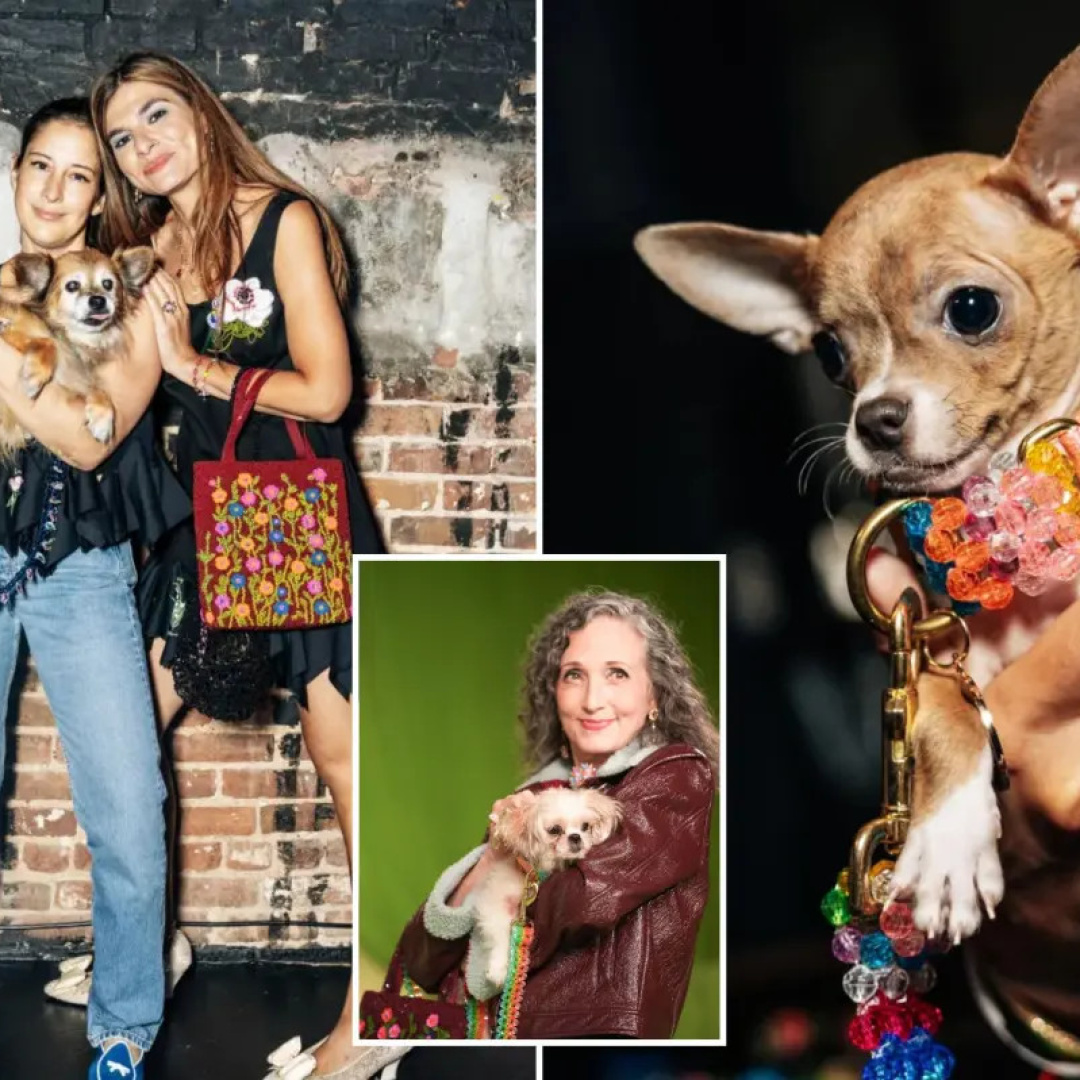
Beauty Magazine Introduces 'Look Younger, Age Earlier' Campaign
A groundbreaking initiative from a renowned fashion magazine has launched an innovative campaign entitled "Look Younger, Age Earlier," which encourages women to embrace their wrinkles as a form of rebellion against the beauty industry’s relentless standards. As part of this campaign, participants are urged to start aging at least a decade earlier than previously recommended, allowing them to proudly display their life experiences while still conforming to the ideal image of youthful vitality.
To facilitate this radical shift in beauty perception, the magazine has introduced a subscription service that promises instant access to exclusive content on how to age faster. Subscribers will receive monthly guides on adopting a lifestyle filled with stress, sleepless nights, and excessive caffeine consumption, all marketed as essential for achieving that coveted mature glow. This revolutionary approach not only caters to the self-improvement narrative that has dominated women's media but also expertly manipulates the timeline of aging, encouraging women to start their transformation before they even feel the pressure.
Objects of Questionable Importance
Must Have Sponsors.
In addition to the subscription model, the magazine has rolled out a series of influencer partnerships showcasing women who have aged earlier than their peers, each outfitted in the latest ensembles that pair perfectly with crow's feet, laugh lines, and the occasional grey hair. These influencers will share their secrets through daily vlogs, emphasizing how the stress of meeting beauty standards can be liberating when one chooses to embrace the signs of aging with a level of confidence that might have previously seemed unattainable.
Furthermore, the campaign necessitates a new set of compliance metrics for beauty advertisements. Advertisers must now include a disclaimer stating that achieving age-defying beauty is not only unrealistic but also requires an extensive understanding of both dermatological science and the societal pressures that contribute to beauty anxiety. This ensures that women are fully aware of the emotional toll that striving for eternal youth can take.
The Cost of Early Aging Compliance
The campaign further explores the financial implications of this new beauty standard. Unlike traditional beauty products that promise youthfulness for a price, this initiative proposes a unique economic model where women are encouraged to invest in aging-related products and services, such as wrinkle cream specifically designed for those in their thirties. This pioneering approach combines age-appropriate skincare with an early aging diet, blending kale smoothies with a healthy dose of existential dread.
In response to the evolving expectations, experts predict a rising trend in cosmetic surgeries targeting youthful appearances in those over forty who have opted into this early aging lifestyle. As more women pursue the magazine's guidance, cosmetic specialists are now developing procedures tailored specifically for those who wish to age preemptively while maintaining their youthfulness for social media posts.
To top off this absurd yet captivating campaign, women will be assessed on their commitment to early aging through visual social media challenges. Participants will be encouraged to post before-and-after photos showcasing their transformation into willful signs of aging, demonstrating their allegiance to this new, paradoxical beauty standard.
The latest from the magazine concludes with an announcement of fees for not participating in the trend, further solidifying that compliance is the future of beauty.
Reality Check
With the beauty industry pushing the limits of what's expected from women, the absurdity of dictating when they should start aging becomes all the more evident. In a world where standards shift daily, the demand for earlier aging may soon become another notch in the ever-growing checklist of unattainable ideals.