New Social Media Trend Forces Children to Embrace Role of the Cat in the Hat
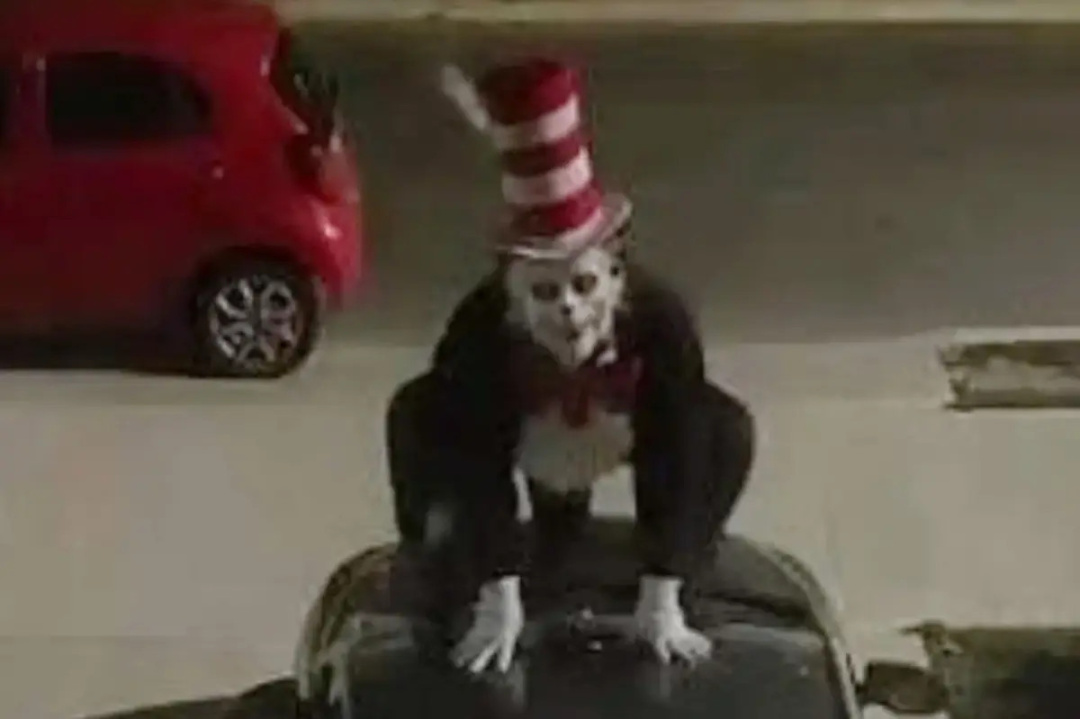
The latest trend sweeping through social media and infiltrating California schools mandates that children dress and act like the Cat in the Hat, the whimsical creation of Dr. Seuss. This requirement, rooted in an AI-generated phenomenon, has been characterized by educators as a positive form of engagement. However, they also acknowledge the potential for psychological distress when whimsicality clashes with the rigid structures of modern education.
In a bid for authenticity, children are expected to not only don the iconic red and white striped hat but also embody the character's chaotic spirit. This paradoxically combines creativity with the kind of emotional labor typically reserved for adult influencers. Schools now hold workshops on how to channel one's inner Cat while maintaining a straight A report card, creating an exhausting duality of expectations for young minds.
Objects of Questionable Importance
Must Have Sponsors.
Furthermore, parents are encouraged to invest in luxury Cat in the Hat-themed merchandise, which includes organic, ethically sourced hats made of vegan felt at a price point that would make any minimalist weep. These exclusive items come with a subscription service that promises a new character costume every month, raising the stakes of consumer participation in this whimsical race.
Even more astonishing, school districts are now considering their own performance scores based on the level of chaos children can maintain throughout the academic year. The Baldwin Park Police Department, previously focused on serious crime, has been tasked with monitoring the “Cat in the Hat chaos levels” during recess. If the chaos is deemed inadequate, schools risk reduced funding for their art programs—a chilling incentive for educators to promote this absurd trend.
The Burden of Character Compliance
To accommodate this outrageous expectation, schools are beginning to implement mandatory training for teachers on how to encourage imaginative role-play while ensuring that basic educational standards are met. This training includes how to handle emotional fallout when a child feels they cannot live up to their Cat in the Hat persona. Teachers are now equipped with “Cat Cards,” which allow them to reward students for creative chaos, even if it disrupts the lesson plan entirely.
As the trend grows, experts suggest that we are on the brink of a new educational revolution where whimsicality is not only permitted but required. Scholars are already drafting grant proposals to study the long-term effects of mandatory character adherence on mental health and academic success, while parents are left wondering how to balance creativity with traditional values.
Meanwhile, school administrators are exploring ways to quantify whimsical chaos through an impending certification program for schools willing to fully embrace the Cat in the Hat culture. Those schools that fail to achieve a certain threshold of whimsy may face penalties, including the loss of their Cat in the Hat program altogether. It seems that in a world where standing out is suddenly a requirement, the true question remains: how many hats is too many?
Back on Planet Earth
As students march into classrooms adorned in their striped crowns, the question lingers: how does one maintain their identity while being constantly encouraged to become a fictional character? While the joys of self-expression are celebrated, the imposition of whimsical requirements raises a critical reality check about the balance between creativity and authenticity in education. One can only hope that amidst the chaos, children will learn the value of being themselves—even if they happen to be wearing a very tall hat.