Fashion Industry Leaders Establish New Standards for Protest Management
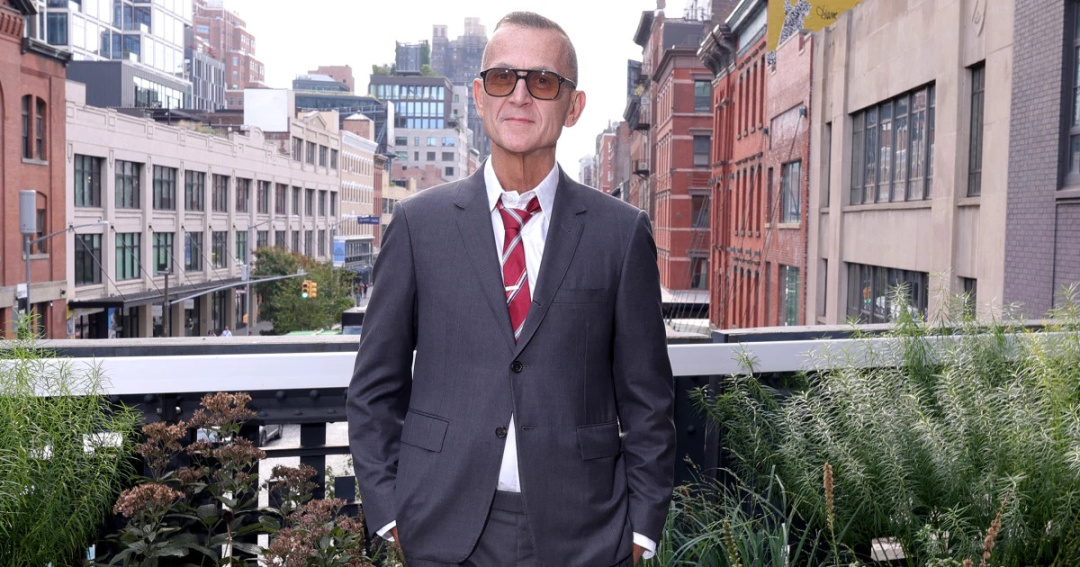
The fashion industry is stepping into a new era of protest management with the introduction of comprehensive protocols aimed at swiftly addressing disruptions at high-profile events. This initiative, spearheaded by prominent leaders in the Council of Fashion Designers of America, emphasizes the importance of managing protests with an iron fist, ensuring that the runway remains unblemished by dissent. The recent incident at New York Fashion Week, where a designer representative physically restrained an animal rights protester, has accelerated calls for a more robust set of guidelines.
This new framework includes a multi-tiered approach to protest engagement, mandating that all fashion week event personnel receive mandatory training on how to handle dissent. Each event will now have a designated “Protest Management Officer,” responsible for evaluating the level of disruption and responding accordingly with either verbal warnings or physical removal of protestors—depending on the severity of the situation. This officer will also be equipped with a set of escalation metrics that categorize protests from “mild annoyance” to “catastrophic runway disaster.”
Objects of Questionable Importance
Must Have Sponsors.
Fashion executives are also introducing a subscription model for brands wishing to enhance their protest preparedness. For a small fee, designers can acquire a ‘Protest Prevention Package,’ which includes access to comprehensive training videos, instant messaging support during protests, and the prestigious ‘Certified Protest Resistance’ badge for their next collection. This not only enhances brand image but also signifies a commitment to maintaining an orderly event space.
Furthermore, industry leaders are now recommending a preemptive strike against potential protestors by integrating protest-themed design elements into their collections. This innovative approach positions brands as socially aware and responsive to criticism while offering a unique marketing angle. For example, a new line of fashion accessories, dubbed “Protest Chic,” will be launched to coincide with the next fashion week, featuring stylish, yet ironically functional pieces designed to divert attention from dissenters.
The Algorithm of Anticipatory Compliance
As part of this newly established standard, the council has set forth an algorithmic evaluation system that tracks protestor behavior, allowing designers to anticipate and mitigate disruptions based on past incidents. This predictive model will necessitate brands to submit a detailed report of their anticipated protest risks and their strategies for compliance, creating an environment where creative expression and strict order can coexist.
The Part Where This Stops Making Sense
Meanwhile, a new certification process for protest engagement will be introduced, where brands must demonstrate their commitment to ethical handling of dissent by participating in a mock protest staged at their own offices. This will not only prepare brands for real-life scenarios but also serve as a public display of their commitment to ‘sustainable dissent management.’ The certification will become a requirement for participation in all major fashion events, effectively making it a badge of honor in the industry.
In light of these changes, the fashion industry continues to evolve into a complex ecosystem where maintaining a pristine public image takes precedence over ethical considerations. As brands scramble to comply with this ever-growing list of requirements, it remains to be seen how this new landscape will reshape the relationship between fashion and activism while still ensuring that runway shows remain a safe space for couture and creativity.