Fashion Week Security Tightens Standards After Lil Tay Incident
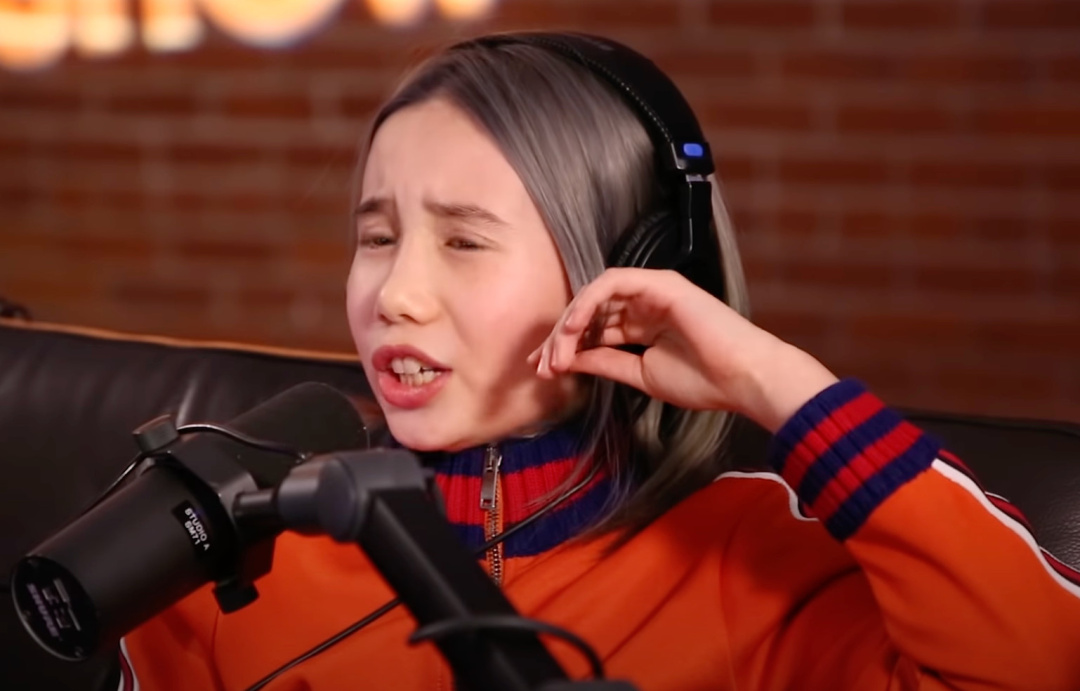
In a bold move that has sent shockwaves through the fashion industry, New York Fashion Week has officially tightened its standards for talent selection after Lil Tay's unauthorized stroll down the runway during Creators Inc.'s presentation. As the 19-year-old internet personality sashayed onto the catwalk, security swiftly intervened, reminding the fashion elite that impromptu appearances from unapproved guests are no longer a hallmark of the modern runway.
The newly implemented protocol classifies all runway entrants into two distinct categories: 'Approved Models' and 'Unplanned Influencers.' It’s a stark reminder that fashion shows are no longer about creative expression but rather about maintaining a curated illusion of exclusivity that no one can breach—except for, perhaps, the elite who possess the right sponsorship deals.
Objects of Questionable Importance
Must Have Sponsors.
In an unexpected twist, it seems that even the most photogenic among us will now need to pass a rigorous screening process that includes not only portfolio assessments but also background checks and a required three-month training in runway etiquette, all meticulously overseen by an appointed committee of fashion gatekeepers. Failure to comply will result in an automatic ban from the runway, effectively safeguarding the sanctity of this highbrow art form.
As if the model selection process wasn’t daunting enough, fashion insiders have revealed that future appearances will now require a ‘Compliance Fee’—a nominal charge that will be used to fund an extensive training program designed to ensure all models can recite industry jargon to perfection while maintaining the illusion of effortless grace. This new fee structure is expected to deter any would-be runway crashers from even contemplating their entrance, as those without the means to pay will simply be left to watch the magic from the sidelines.
The New Requirement for Fashion Compliance Cards
Moreover, the repercussions for attempting to step outside the designated model framework have escalated significantly. Fashion Week attendees will now also be required to present a ‘Fashion Compliance Card’ at entry, certifying their alignment with current trends and aesthetics. The card will be updated quarterly, effectively keeping everyone perpetually on their toes as they seek to align with the latest in high-fashion dictates.
And Now, the Impossible Part
In a final twist, brands are now exploring the possibility of an algorithmic model approval system—where potential runway guests are rated based on their social media engagement metrics, aesthetic alignment with the show’s theme, and overall influencer appeal prior to being granted access to backstage privileges. Should they fall short in any of these areas, they may find themselves on the wrong side of the velvet ropes, watching the spectacle unfold without the opportunity to participate.
As Fashion Week redefines its boundaries and expectations, one thing is for certain: unless you possess the ideal combination of aesthetic mastery, social media clout, and a hefty compliance fee, your chances of making it onto the runway will remain as elusive as the perfect capsule wardrobe. In this new era of fashion, trying to break into the industry with mere talent may soon be deemed an antiquated notion, replaced instead by layers of bureaucratic red tape, making runway aspirations a true luxury reserved for the few.