Influencer Culture Now Includes Historical Dictatorship Certification
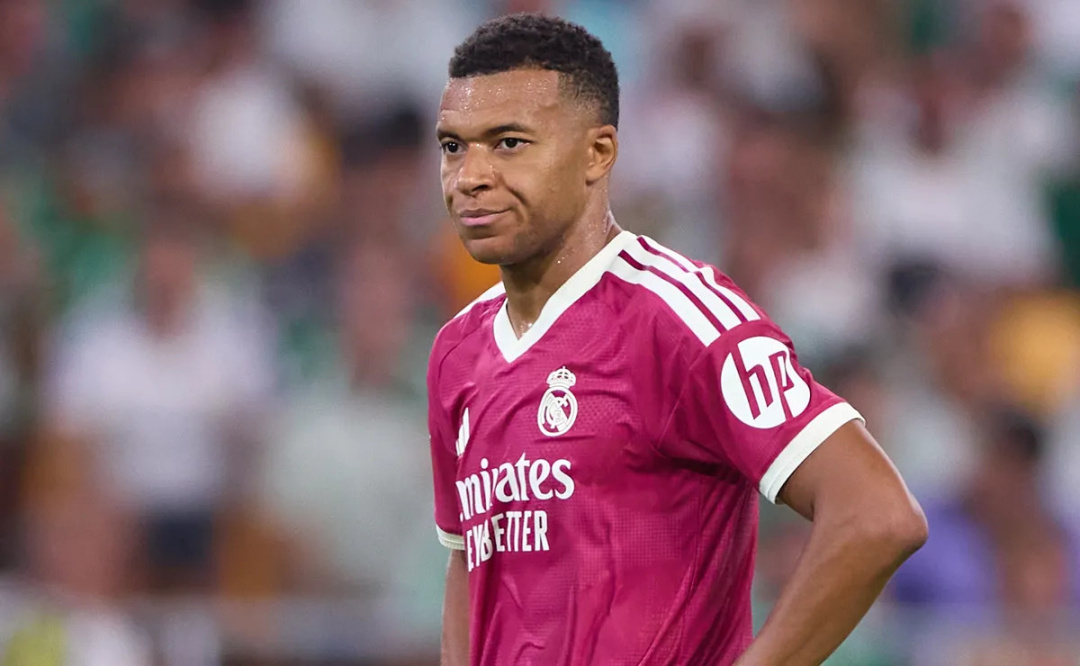
In an astonishing twist of influencer culture, the latest requirement for social media stars seems to be an imperative certification in historical awareness, particularly concerning the more unsavory aspects of 20th-century leadership. Kylian Mbappe, the superstar forward, has found himself at the center of a viral meme phenomenon where he is humorously compared to the infamous dictator Mobutu Sese Seko of the Democratic Republic of Congo. This trend, while seemingly innocuous, indicates a broader push within influencer marketing to ensure that online figures are well-versed in historical contexts and can avoid such troubling comparisons.
To enhance their brand image, influencers are now advised to adopt an array of educational tools, including complete historical overviews and personal quizzes on global leadership. This requirement aims to prevent future faux pas akin to Mbappe’s experience, as he noted the joke’s risky edge: “There’s a part that is funny… but also a part that is a little less funny.” As influencers continue to monetize their platforms, they face a new tier of scrutiny not just from audiences but also from an evolving algorithm that rewards those who can navigate the treacherous waters of historical context.
Objects of Questionable Importance
Must Have Sponsors.
Yet, amidst the laughter and lighthearted memes, the underlying message of this certification trend cannot be overlooked. If influencers fail to maintain a robust understanding of historical figures and their impacts, algorithm penalties will ensue. This may include reduced visibility on platforms, delayed sponsorship deals, or even an over-reliance on 'apology tours' to regain audience trust. The stakes are high as traditional marketing strategies give way to a new set of influencer guidelines that demand historical literacy, alongside flawless aesthetic presentation.
The trend has escalated to the point where influencer agencies are launching ‘Historical Impact Workshops’ aimed at educating clients on the ramifications of their content choices. Coupled with the evolving definitions of what constitutes acceptable humor, these workshops are transforming the influencer landscape. Participants can earn badges signaling their compliance, which will be prominently displayed on their profiles, signaling to brands that they have completed the necessary training to engage safely in meme culture.
The Irony of Historical Accountability
While Mbappe has embraced the humor in his predicament, he also advocates for a deeper understanding of the figures being referenced, stating, “I don’t think I’ve ever done that in my life.” This nuanced stance illustrates a potential trend of influencers advocating for greater responsibility in how they engage with humor and history, albeit with a hint of irony. As the influencer space grows more complex, the demand for historical certifications may soon become non-negotiable, with brands seeking collaborators who can navigate these tricky waters without capsizing their reputations.
For Anyone Still Keeping Score at Home
If this trend continues unchecked, we may soon see the introduction of mandatory certification renewals every year, based on the latest historical debates and events. Influencers will need to keep abreast of current knowledge to remain relevant and avoid the wrath of the algorithm, which now determines not just visibility but the very essence of their brand identity. The line between entertainment and responsibility continues to blur, leaving influencers with the daunting task of balancing humor with historical integrity, all while maintaining the perfect online persona.
As the stakes rise, influencers must prepare for yet another upgrade in their professional toolkit: the Historical Dictatorship Certification. Those who fail to comply may soon find themselves relegated to the annals of influencer history, remembered only as cautionary tales of what happens when one forgets the lessons of the past.