New Jewelry Brands Introduce Mandatory Style Certifications to Compete at NYFW
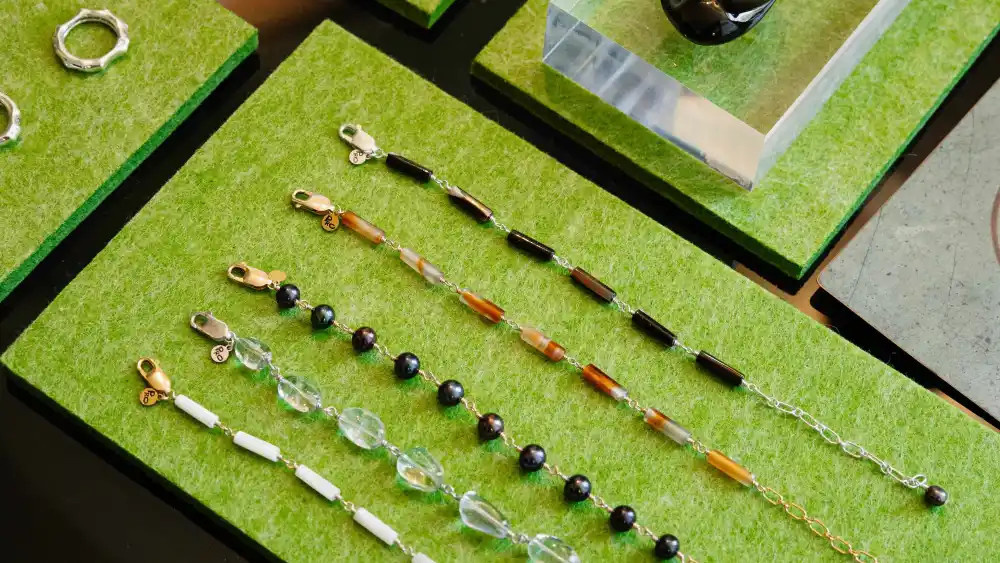
New jewelry brands are now introducing mandatory style certifications at New York Fashion Week, ensuring that every piece of jewelry aligns perfectly with the latest fashion algorithms. This pivotal development stems from a growing need for personalization within broader price points, compelling designers to meet ever-escalating consumer expectations while simultaneously passing rigorous aesthetic audits that assess not only design but also emotional resonance with the wearer.
To maintain their status, brands are required to submit their collections for peer review where industry experts will evaluate their offerings based on their coherence with current wellness trends, as determined by algorithmic scrutiny. For instance, a necklace crafted from ethically sourced materials might not only need to engage consumers with its beauty but must also fulfill a quota of sustainability metrics while demonstrating undeniable chicness. This ensures that consumers aren't just buying jewelry; they're purchasing a lifestyle endorsement, confirmed by a certification badge every piece must bear.
Objects of Questionable Importance
Must Have Sponsors.
The latest trend in jewelry design dictates that pieces now come with Emotional Connectivity Scores (ECS), a numerical value assigned to each item based on how well it aligns with emotional wellness objectives. Designers report that an ECS of 90 or higher is becoming the new gold standard for luxury, forcing artists to consider whether their designs evoke the right feelings, all while remaining visually appealing. Failure to meet these scores could mean immediate removal from the coveted runway or, worse, a downgrade in brand prestige.
Meanwhile, as brands vie for attention, they must navigate the labyrinthine complexities of social media marketing regulations that dictate how authenticity is presented. New rules state that any piece promoted online must undergo a vetting process that assesses its “visual sincerity” score alongside its pricing strategy. This means that even a sparkling diamond ring could be seen as obsolete in a market where appearances are scrutinized under the lens of algorithmic engagement metrics, leading to a need for constant adaptation to the latest influencer trends.
Emerging Trends in Consumer Expectation
More astonishingly, reports indicate that the future may hold a subscription model for jewelry access, where consumers pay monthly fees to rotate pieces that meet their changing style requirements as dictated by their mood—an idea that truly embodies the spirit of fashion's commodification. This model would allow for an endless cycle of gratification, yet it raises serious concerns about the sustainability of such consumerist behavior, as brands scramble to increase production rates to meet the changing demands of a subscription-hungry clientele.
As the pressure to comply with new market standards escalates, jewelry designers face an existential crisis: will they continue to create meaningful, high-quality pieces, or will they succumb to the fast-paced whims of fashion algorithms? The latest projections suggest that, in just a few seasons, every item of jewelry might come packaged with its own certification of fleeting relevance, ensuring compliance with the latest industry standards.
The Next Wave of Compliance Mandates
With the prospect of style certifications looming larger than ever, the industry must brace itself for the inevitable launch of a new compliance app designed to guide designers through the labyrinth of consumer expectations. This app will offer real-time updates on fashion trends, algorithm tweaks, and a checklist of what constitutes acceptable beauty as defined by an evolving set of metrics.
In a world where even jewelry is subject to the relentless pressures of an algorithm-driven marketplace, the end user is left wondering: when will the quest for personal expression give way to a mandatory style checklist? As the fashion industry hurtles towards this brave new world, the mere act of wearing jewelry may soon require a level of certification that few can achieve, forever altering the landscape of fashion as we know it.