Fashion Week Requires Designers to Present Collections While Battling Imposter Syndrome
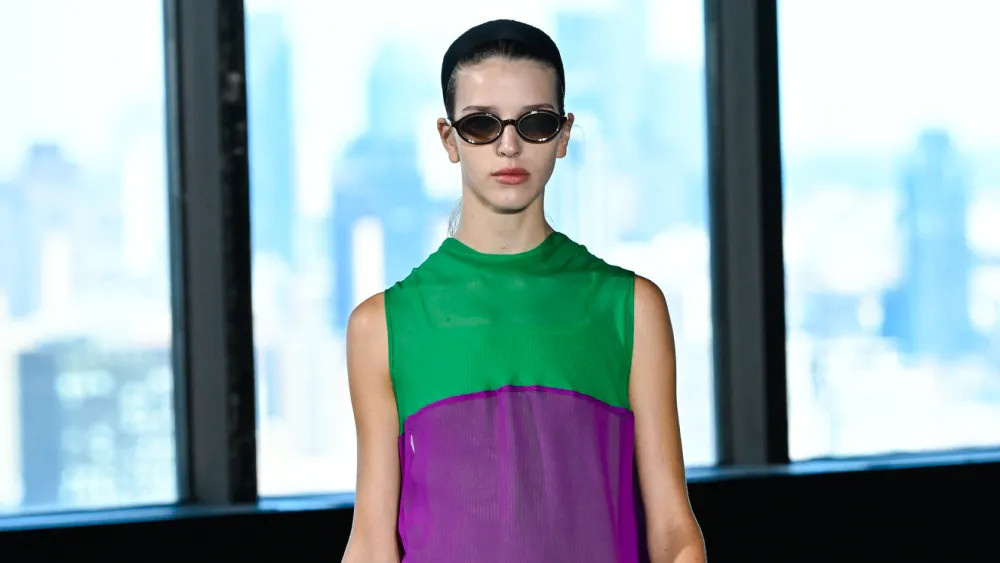
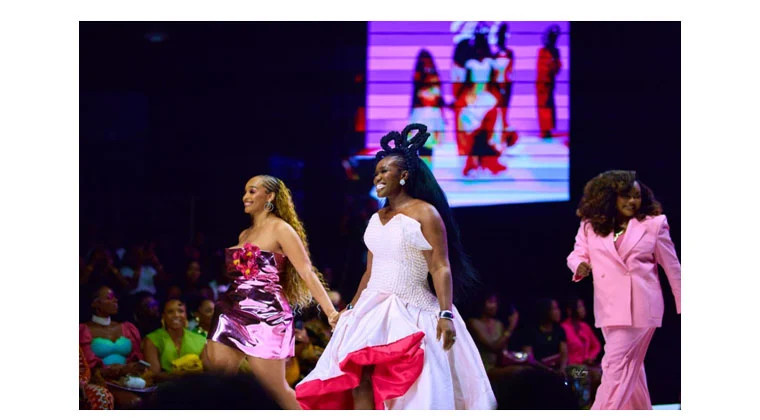
At this season's Fashion Week, it has officially become standard practice for designers to not only present their collections but to do so while battling intense feelings of inadequacy. Henry Zankov, the latest designer sensation, now faces the daunting challenge of showcasing not one but two collections, a trend led by his best friend Rachel Scott. This dual-pressure system has created a new benchmark of success wherein designers must craft extraordinary garments while simultaneously maintaining an aura of effortless confidence and mental stability.
Zankov's latest project, dubbed "Le Tourbillon," aims to encapsulate both high fashion and the relentless turmoil of self-doubt that accompanies the creative process. Designers are now required to submit not merely to the whims of fashion critics but also to their personal emotional health trackers, which measure their mental wellness in real-time during the show. Negative feedback is no longer contained to just the quality of the clothes but extends to the designer's psychological resilience. Failure to exude positivity can result in a mandatory wellness boot camp, an expense many now fear will overshadow their creative endeavors.
Objects of Questionable Importance
Must Have Sponsors.
Compounding this absurdity, models are now encouraged to wear not only the latest styles but also emotional support badges indicating their current mental states, providing real-time updates to the audience on how well they’re managing the anxiety of runway expectations. This transparency demands that models embody a new kind of perfection, one that includes complete emotional disclosure alongside their couture ensembles.
As if this weren't enough, Zankov’s collection will also be evaluated based on how well his apparel can adapt to a simulated stress test, wherein garments must withstand various emotional triggers—from the anxiety of an audience's gaze to the fear of failing a fashion police review. Designers are now warned that any fabric deemed too flimsy or ill-equipped to handle emotional breakdowns will be flagged for immediate recall.
The Certification for Emotional Resilience
In a remarkable twist, the industry has rolled out a certification process for designs deemed “emotionally resilient,” ensuring that each piece can handle the tumultuous experience of being on display in front of an audience steeped in judgment. This new requirement adds an additional layer of complexity, as designers now have to balance not only aesthetics but also emotional endurance in their creations. Approval from the Emotionally Resilient Fashion Board (ERFB) is essential for any garment that aspires to grace the runway.
Reality, That Annoying Little Detail
With the increasing stakes, Zankov is left pondering if his brand can survive in an environment where emotional fragility is punished and creativity is secondary to mental fortitude. Each designer’s performance, both in crafting garments and in delivering a steady psychological front, is meticulously scored, with results published for the world to see. The pressure is immense, and as designers scramble to retain their sanity, the question remains: can anyone truly win this fashion game?
Underneath the glamour of the runway lies an unspoken truth: while creativity once flourished in a world that valued artistic expression, it now thrives in a battleground of emotional resilience and corporate mindfulness. As Zankov prepares for his big reveal, he, like many of his contemporaries, is left to wonder if the world of high fashion will soon require a new set of skills—one where not just the clothes but the very psyche can survive the storm of public scrutiny.