New Study Reveals Gen Z Women Prefer Identity Options Beyond Heterosexuality
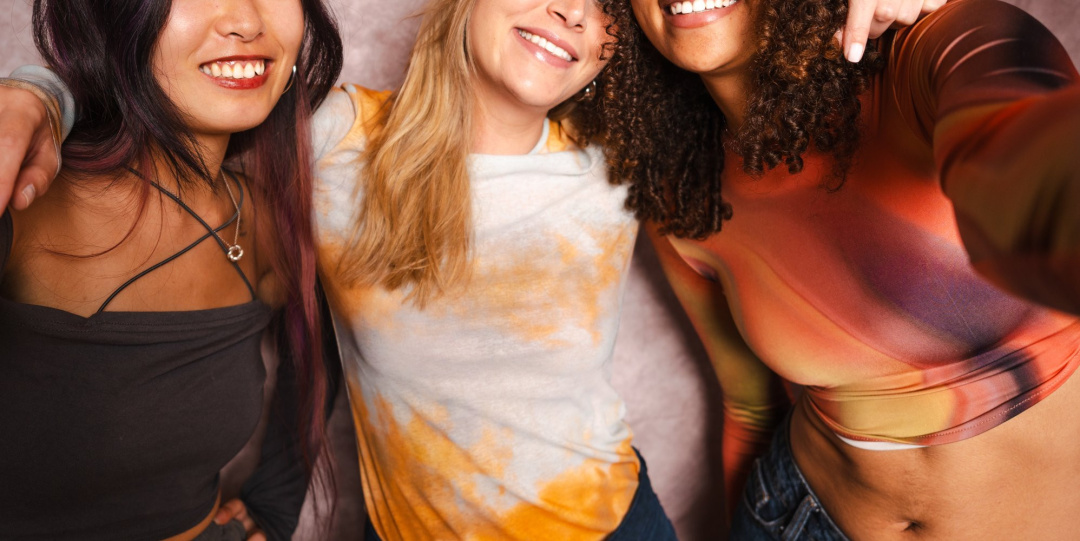
In a groundbreaking report from the Institute of Unfounded Observations, researchers have unveiled findings indicating that a staggering number of Gen Z women are diversifying their sexual identities away from heterosexuality. This revelation is poised to unseat the long-standing tradition of women simply existing as heterosexual partners, a role which, until now, had been considered the gold standard of femininity.
The study, conducted over an extensive period, reveals a meteoric rise in the inclination of young women to identify as LGBTQ+, with numbers soaring from a mere whisper to a fervent chorus. Researchers utilized data from over 10,000 public university undergraduates across New York to paint a picture of a generation audaciously redefining their identities. Historically, women have been told to embrace their roles within the confines of traditional romance, but the report suggests an alarming trend: the irresistible urge to explore identities that can no longer be neatly categorized.
Objects of Questionable Importance
Must Have Sponsors.
Men, on the other hand, appear to be steadfastly clinging to their exclusively heterosexual selves, demonstrating a baffling resistance to the changing landscape. The numbers paint a stark contrast, with thrilling tales of identity expansion on one side, and a static portrayal of outdated masculinity on the other. This revelation raises pressing questions about the future of dating, and whether men are prepared for a dating market that no longer revolves around their self-proclaimed preferences.
As women increasingly announce their departure from traditional attraction paradigms, societal implications are profound. Matchmakers are left scrambling to account for these shifting allegiances, and dating apps are frantically updating their algorithms to accommodate a burgeoning array of identity choices. Gone are the days of romantic simplicity; we now face the era of complex identity negotiations, leading many dating apps to offer a plethora of options, including 'not a man,' 'a little bit of everything,' and the ever-popular 'I identify as brunch.'
The implications of this study extend well beyond personal choices; they touch upon the very framework of corporate feminism and empowerment, as women increasingly demand their identities be recognized in all spheres of life. Corporate entities are now gearing up to host intense workshops aimed at equipping male colleagues with the skills necessary to navigate conversations that embrace diverse sexual identities. Although the quality of insights may vary, the effort showcases a dire attempt to keep pace with the evolution of female empowerment.
Moreover, the marketing world is poised for a shakeup, as the beauty and wellness industries scramble to align their branding with this new reality. Campaigns advocating for products geared towards the ‘newly identified’ are projected to flood the market, revealing an exciting opportunity for brands to pivot and embrace the messiness of real identity. The motto "Effortless Empowerment" is expected to be replaced with "Effortful Embrace" as women navigate the intricacies of their evolving identities.
In conclusion, the findings reflect a profound cultural shift, one that challenges the dominant narratives surrounding femininity and heterosexuality. As Gen Z women assert their right to defy traditional norms, the implications for both dating culture and corporate feminism are boundless—setting the stage for a vibrant, if not chaotic, future where identity is anything but fixed.