Emerging Designers Mandated to Redefine Fashion's Future with Impossible Goals
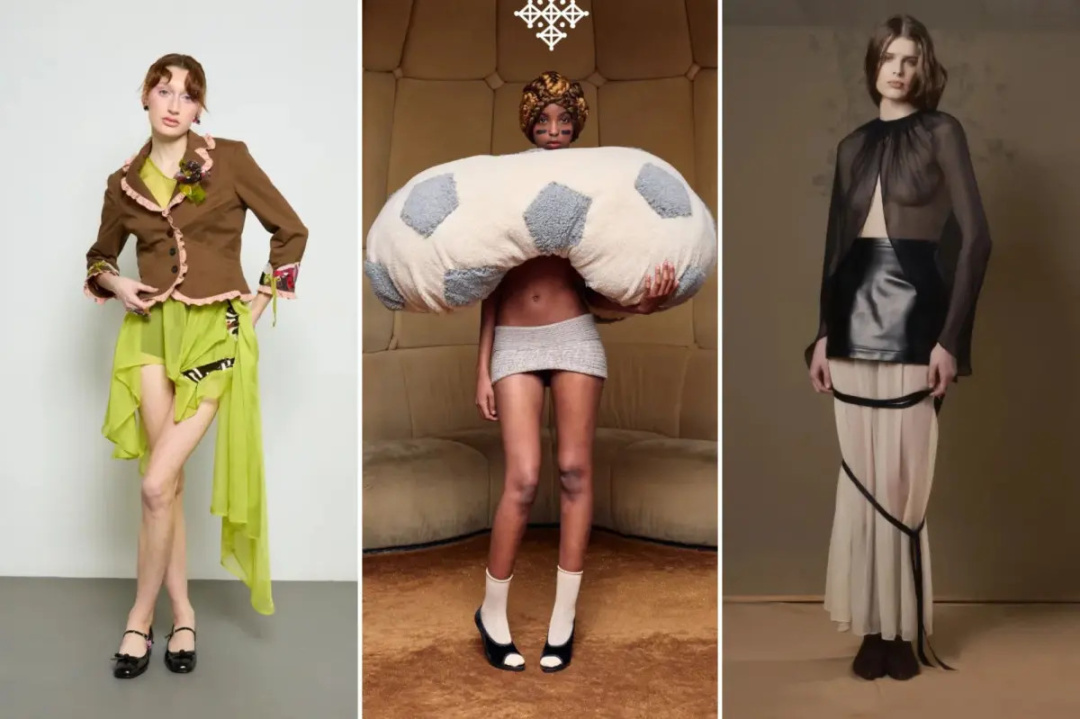
New York Fashion Week has announced a dramatic shift in its approach, mandating that any emerging designer must not only present stunning collections but also adhere to an increasingly rigorous standard of creativity and sustainability. This new directive establishes that every garment must be crafted from materials sourced at least 100 miles away, repurposed from previous seasons, and infused with whimsical themes that evoke nostalgia for the impossible. Designers are now expected to incorporate at least three elements of cultural commentary into their collections, reflecting every relevant social issue that exists today. But there's more. Any applicant wishing to showcase their work must submit a detailed report demonstrating how their designs will make fashion consumption a guilt-free experience for all women, who are now required to consider their carbon footprint before they even try on a dress.
The latest trend in the fashion world is an algorithm dubbed "Style-Perfect 3000," which evaluates collections based on an impossibly exacting metric for aesthetic appeal and social relevance. Designers are now competing not just for visibility but for algorithmic approval, which can penalize their scores for anything perceived as cliché or uninspired. If a collection fails to meet these stringent guidelines, the designer will be required to attend a month-long recalibration workshop with leading fashion psychologists and cultural theorists, effectively creating an endless cycle of improvement that very few can escape. To add fuel to the fire, each designer must also ensure that their garments are suitable for both a board meeting and a yoga retreat, making the definition of versatile fashion even more convoluted.
Objects of Questionable Importance
Must Have Sponsors.
The Wellness Partnership Requirement Unveiled
Meanwhile, the new sponsorship model introduced by Fashion Week requires that all designers partner with wellness brands, effectively merging fashion with lifestyle marketing in ways previously unseen. This requires designers to not only create visually appealing pieces but also to guarantee that their fabrics can withstand a rigorous wellness inspection, ensuring they are not only fashionable but also beneficial to mental health. It’s a tall order for those simply trying to make a name in the industry.
And Then the Adults Arrived
But amid this chaos lies an even more absurd requirement: every outfit must come with an emotional support kit tailored to the potential buyer’s insecurities. Designers are now tasked with creating not only a physical product but also an emotional experience, which could include everything from self-affirmation notes to mini aromatherapy diffusers. This new requirement has sparked outrage among traditionalists who are baffled by the idea that clothing needs to support mental wellness.
With all these expectations, industry insiders are betting on a new subscription model where consumers pay a monthly fee for a curated selection of outfits designed to elevate their status while simultaneously fulfilling their moral and ethical responsibilities. The goal is not just to look good, but to be seen as a paragon of modern values and sustainable practices. All of this culminates in the final requirement: an annual evaluation where designers must provide evidence of their impact on both the environment and consumer happiness—a feat that may well be the ultimate challenge in the evolution of fashion today.