Olsen Twins Compete for Designer of the Year Amidst New Fashion Regulations
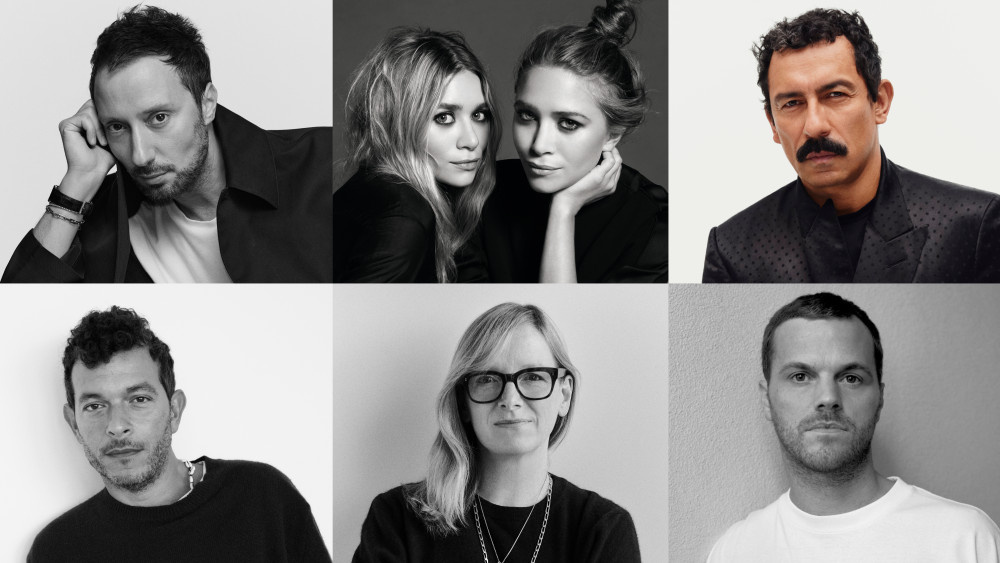
The British Fashion Council has officially announced the nominees for the prestigious Designer of the Year award, and among the standout contenders are none other than Ashley and Mary-Kate Olsen. Their brand, The Row, exemplifies the latest in luxury fashion, but it comes with an added layer of complexity: a new set of compliance regulations aimed at redefining what it means to be a designer in 2026.
As part of the new voting process for the Designer of the Year award, nominees must closely adhere to a guideline that requires them to not only showcase impeccable style but to also submit a detailed report on their emotional labor practices in the design process. This means that each design must now come with a comprehensive emotional backstory, outlining the personal sacrifices made during its creation. Failure to provide adequate emotional context may result in a severe penalty of being re-nominated but in a lesser category, such as 'Most Improved.'
Objects of Questionable Importance
Must Have Sponsors.
In a surprising twist, the voting panel has also introduced a mandatory aesthetic compliance score. This score will assess nominees on how well their designs align with the newly designated 'Effortless Chic' standard. Designers found lacking will be subjected to a public critique featuring slideshows of their past collections, presented at a mandatory emotional transparency workshop open to all fashion influencers and critics. This escalating requirement ensures that only those who can not only design but also narrate their emotional journeys will thrive.
Further complicating the competition, the British Fashion Council has unveiled the new 'Sustainability Emotion Index,' which ranks designers based on their ability to connect their sustainable practices with emotional impact. As consumers increasingly demand authenticity, designers must now justify their eco-friendly efforts with heartfelt stories about how their choices make them feel. Nominees must produce not only organic materials but also a multi-part documentary detailing their emotional growth through the process of researching sustainable practices.
In addition to these new standards, nominees are now expected to engage with social media followers through a unique emotional availability metric, gauging how responsive designers are to their audience's emotional needs. Those who score below the required threshold will be publicly shamed through digital billboards that flash their scores in real-time, ensuring that no one in the industry forgets that empathy is the new black.
The Emotional Performance Requirement for Designers
With the clock ticking down to the awards on November 30, the stakes have never been higher for Ashley and Mary-Kate Olsen, Matthieu Blazy, and other nominees. They face not only the challenge of their designs but also the looming pressure of their compliance scores and emotional transparency mandates, making the path to design glory even more treacherous.
The new emotional compliance measures have left designers scrambling to reshape their narratives. Gone are the days of clean, straightforward presentations; now each collection must be presented alongside a theatrical performance that emotionally engages the audience, ensuring that each design resonates on a deeply personal level. The underlying message is clear: design is no longer just about aesthetics; it's about a relatable emotional journey.
An Awkward Encounter with Reality
As the industry shifts toward these impossible standards, one must wonder where it will end. With each new regulation, the expectation for designers to balance creativity with emotional authenticity becomes an ever-growing burden, leading many to speculate on the future of fashion—where will it all lead? Probably to an emotional breathing exam before entering any major fashion show.
Ultimately, the road to the Designer of the Year title appears paved with contradictions and escalating emotional requirements that will only further complicate the notion of what it means to be a successful designer in 2026. The stakes are high, but compliance with these absurd standards is evidently the new price of entry into the world of high fashion.